Is India Correct in Condemning Pakistan's 'Trade and Transit Terrorism' Against Afghanistan?
Synopsis
India has voiced strong condemnation against Pakistan's actions, termed 'trade and transit terrorism,' affecting Afghanistan's recovery. This situation highlights the ongoing humanitarian crisis and the need for international cooperation to address cross-border terrorism. Discover the implications of these developments on Afghanistan's future and regional stability.
Key Takeaways
India condemns Pakistan's trade practices affecting Afghanistan.
UN highlights humanitarian crisis due to border tensions.
International community urged to act against terrorism.
Afghanistan's recovery efforts need global support.
India enhances its diplomatic presence in Kabul.
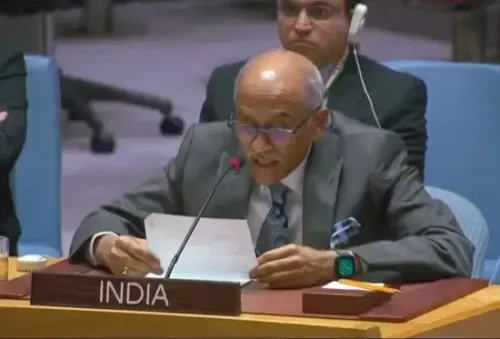
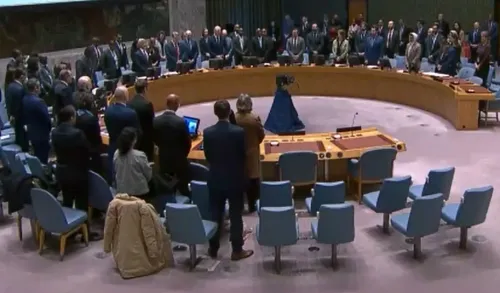
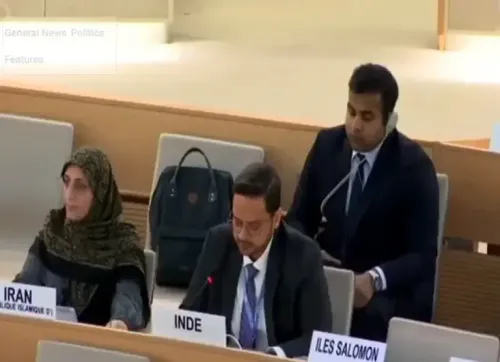
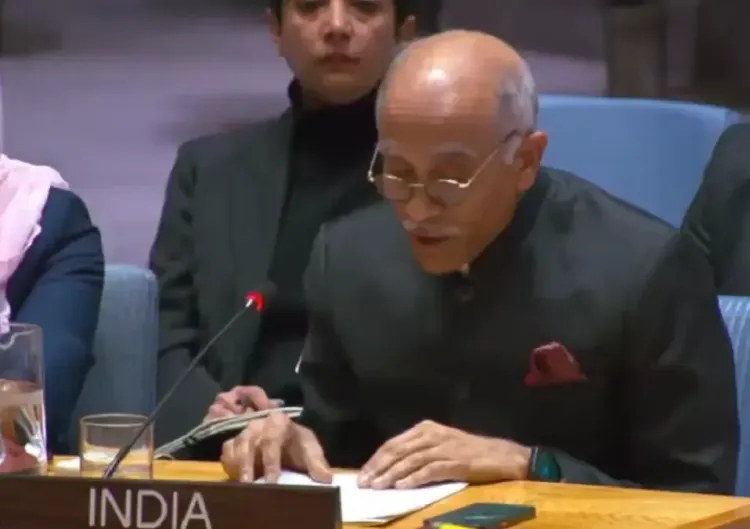
United Nations, December 11 (NationPress) India has criticized Pakistan's actions termed as "trade and transit terrorism" against the Afghan populace, which is striving to recover from years of hardship. India's Permanent Representative, P. Harish, addressed the Security Council on Wednesday (local time), stating, "Such blatant threats and hostile acts against a fragile, vulnerable nation classified as LLDC (Land-Locked Developing Country) attempting to rebuild under challenging circumstances represent a clear breach of the UN Charter and international regulations."
New Delhi expresses "grave concern" over the continuous practice of trade and transit terrorism that the Afghan people face due to the callous closure of access for a landlocked nation enduring prolonged suffering, he remarked.
He added, "These actions violate WTO (World Trade Organisation) standards."
With diplomatic tact, Harish refrained from directly naming Pakistan; however, it was evident to all that Islamabad was the target of his remarks following its recent actions against Afghanistan.
Harish referenced the Secretary-General Antonio Guterres's report to the Security Council, which condemned the "severe humanitarian and economic repercussions" stemming from border clashes and closures between Afghanistan and Pakistan.
The report indicated that these incidents have led to the displacement of hundreds of families within Afghanistan, disrupted essential trade, and inflicted financial hardships on farmers during the crucial fruit harvest season.
Harish urged action against organizations and individuals supported by Pakistan, designated as terrorists by the Security Council, to curb cross-border terrorism.
He emphasized, "The international community needs to collaborate to ensure that entities and individuals identified by the UN Security Council, including ISIL (Islamic State) and al-Qaeda along with their affiliates, such as Lashkar-e-Taiba (LeT) and Jaish-e-Mohammed, as well as their proxies like the Resistance Front, are prevented from engaging in cross-border terrorism."
Harish also highlighted the deaths of three Afghan cricketers, Kabeer Agha, Sibghatullah, and Haroon, in a Pakistani airstrike in Paktika Province last October.
In response to their deaths, Afghanistan withdrew from a T20 international series, with the International Cricket Council condemning the killings.
India shares the concerns voiced by the UN Assistance Mission in Afghanistan (UNAMA) regarding airstrikes and condemns the targeting of innocent lives, including women, children, and athletes in Afghanistan.
Moreover, Harish referred to Guterres's report addressing Pakistan's expulsion of millions of Afghan refugees.
He stated, "The forced return of over 2 million Afghans this year, which contributes to a 6 percent population increase in Afghanistan by 2025, has led to significant vulnerabilities."
He announced that India has elevated its technical mission in Kabul to an embassy status to enhance humanitarian and developmental assistance programs.
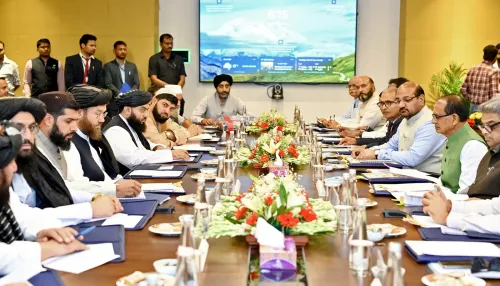
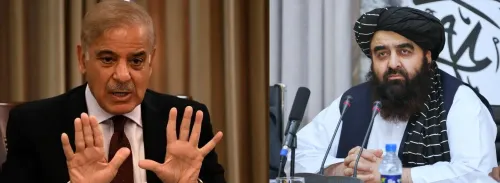
Visits from Afghanistan's Foreign Minister Amir Khan Muttaqi and Industry and Commerce Minister Haji Nooruddin to India, along with the upcoming visit of Health Minister Mawlawi Noor Jalal Jalali, are expected to lead to tangible cooperation initiatives for Afghanistan's development, Harish noted.
He advocated for "pragmatic engagement with the Taliban" that would encourage positive actions, asserting that only punitive measures would not yield the desired change.
Point of View
India's condemnation of Pakistan's actions highlights significant humanitarian and economic concerns for Afghanistan. As a national editor, it's crucial to recognize the urgency of fostering dialogue and collaboration to mitigate the impacts of cross-border terrorism while supporting Afghanistan's recovery efforts.
NationPress
21 Sept 2026
Frequently Asked Questions
What is trade and transit terrorism?
Trade and transit terrorism refers to actions taken by a state or organization that deliberately disrupts the trade routes and economic activities of another country, effectively using these tactics to exert control or influence.
How has Pakistan's actions affected Afghanistan?
Pakistan's closure of access routes has exacerbated Afghanistan's humanitarian crisis, leading to increased suffering and economic distress for its citizens.
What steps is India taking to assist Afghanistan?
India has upgraded its mission in Kabul to an embassy to enhance humanitarian support and has been engaging with Afghan officials to foster development initiatives.
What role does the UN play in this situation?
The UN is crucial in addressing humanitarian needs and mediating international responses to conflicts and crises impacting nations like Afghanistan.
Why is cooperation among nations necessary?
Cooperation is essential to combat cross-border terrorism effectively and to support nations like Afghanistan in rebuilding their economies and societies.