India Reviews Diesel Supply Requests from Bangladesh, Sri Lanka, and Maldives: MEA
Synopsis
India is currently evaluating a diesel supply request from Bangladesh as the MEA highlights its vital role as a refined petroleum exporter. The situation is further complicated by global energy market fluctuations affecting neighboring countries.
Key Takeaways
India is a key exporter of refined petroleum products to neighboring countries.
A diesel supply request has been received from Bangladesh and is under review.
Similar requests from Sri Lanka and the Maldives are also being considered.
The Numaligarh refinery has been supplying diesel since 2007.
Global energy market fluctuations are impacting Bangladesh and causing fuel shortages.
New Delhi, March 12 (NationPress) Highlighting India's significant role as a leading exporter of refined petroleum products to its neighboring nations, the Ministry of External Affairs (MEA) announced on Thursday that a request for diesel supply has been received from Bangladesh and is currently under assessment.
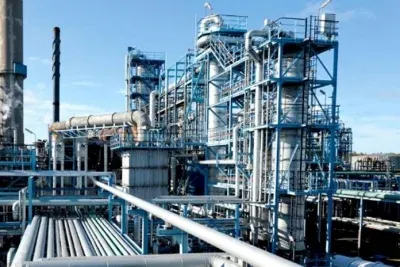
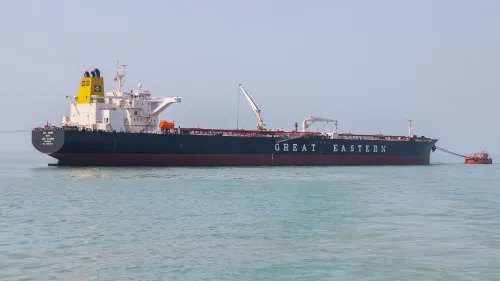
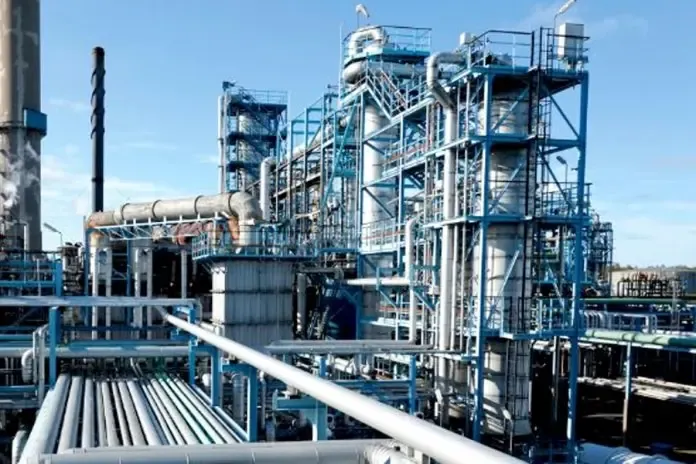
“India stands as a prominent exporter of refined petroleum products, particularly to our neighboring countries. We have acknowledged a request from the Bangladeshi government for diesel supply, which is presently being evaluated. Our commitment to a people-focused and development-centric relationship with Bangladesh has led us to supply diesel from the Numaligarh refinery since 2007, utilizing various transportation methods including waterways, rail, and, more recently, the India-Bangladesh Friendship Pipeline,” stated MEA spokesperson Randhir Jaiswal during a media briefing in New Delhi.
“In October 2017, a sales agreement was established between Numaligarh Refinery and the Bangladesh Petroleum Corporation for the provision of high-speed diesel under mutually agreed terms. It is important to note that while diesel exports to Bangladesh have persistently continued since 2017, India's refining capacity, domestic requirements, and the availability of diesel will be taken into account in our decision-making,” he added.
Jaiswal emphasized that similar requests have also been received from other nations, including Sri Lanka and the Maldives, which are under review, taking into consideration India's domestic energy needs and supply availability.
As reported by Bangladesh's prominent newspaper, The Daily Star, the ongoing conflict in West Asia is beginning to have an impact on global energy markets, and Bangladesh is starting to feel the effects.
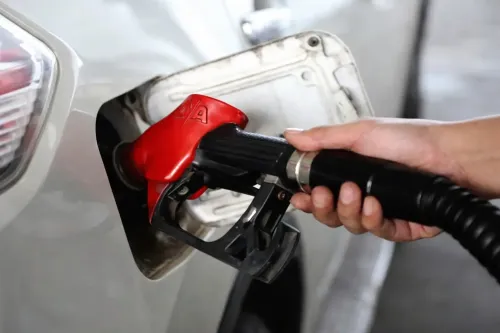
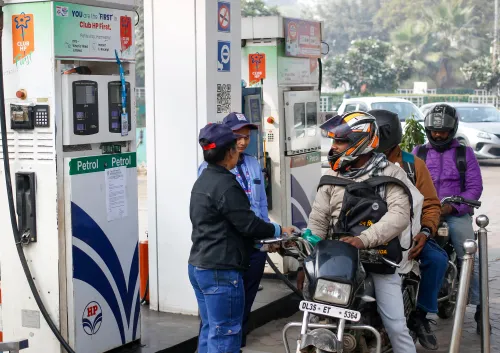
Recently, it was noted that fuel stations in Dhaka, Chattogram, and other areas were inundated with motorists eager to refuel, driven by fears of shortages.
“Long queues formed at numerous stations, with drivers waiting for extended periods to fill their tanks. The country heavily depends on imported energy, especially fuel oils and liquefied natural gas (LNG) from the Middle East, and the closure of the Strait of Hormuz has sparked concerns about possible supply disruptions for transport, industry, and households,” stated The Daily Star editorial.
“Approximately one-fifth of our crude oil imports transit through this crucial route. While most refined petroleum products are sourced from other Asian suppliers, the uncertainty in global energy flows has heightened consumer anxiety,” it concluded.
Frequently Asked Questions
What is the current status of the diesel supply request from Bangladesh?
India's Ministry of External Affairs is currently reviewing the diesel supply request from Bangladesh, emphasizing its ongoing commitment to energy cooperation.
Which other countries have requested diesel supply from India?
In addition to Bangladesh, requests have also been received from Sri Lanka and the Maldives.
How has global energy markets affected Bangladesh?
Bangladesh is experiencing fuel shortages as a result of global energy market fluctuations due to ongoing conflicts in West Asia.
When did India start supplying diesel to Bangladesh?
India began supplying diesel to Bangladesh from the Numaligarh refinery in 2007.
What transportation methods are used for diesel supply to Bangladesh?
Diesel is supplied through various methods including waterways, rail, and the India-Bangladesh Friendship Pipeline.