India-Germany submarine deal awaits New Delhi's final nod: German Ambassador
Synopsis
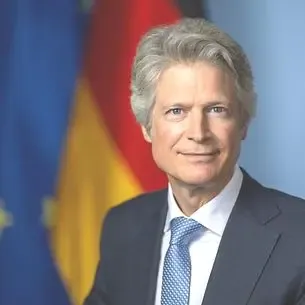
Germany has done its part — the India-Germany submarine deal's paperwork is signed and sealed in Berlin. The entire agreement now hinges on New Delhi completing its internal clearance process, German Ambassador Dr Jasper Wieck confirmed on 23 September. In the same breath, Wieck took a pointed swipe at India's Russian oil purchases, calling for tougher sanctions on Moscow to cut off the revenues funding its war in Ukraine.
Key Takeaways
German Ambassador Dr Jasper Wieck confirmed on 23 September 2026 that the India-Germany submarine deal has been fully finalised on Germany's side.
All necessary documents have been agreed upon by Germany ; the deal now awaits completion of India's internal approval processes.
Wieck stated that Russian President Vladimir Putin 'is the aggressor' in the Russia-Ukraine conflict and 'can stop it as early as tomorrow.' Ukraine is ready to sign a ceasefire agreement, but Russia has not agreed, according to Wieck.
The Ambassador called for restricting Russia's oil exports to reduce revenues funding its military operations.
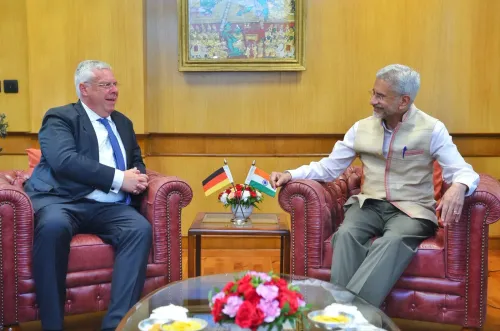
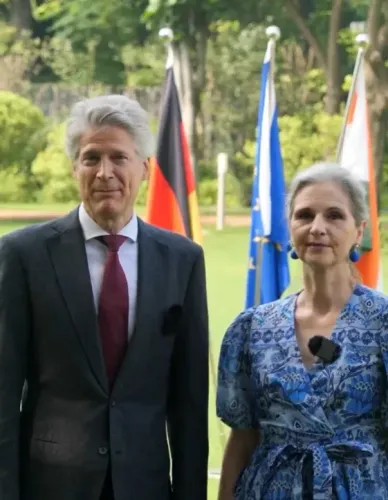
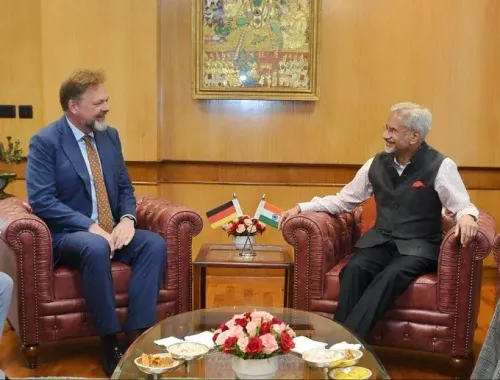
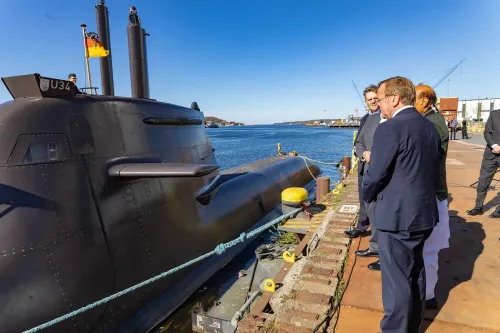
The proposed India-Germany submarine deal has been fully finalised on the German side, with all necessary documents agreed upon, German Ambassador to India Dr Jasper Wieck said on Wednesday, 23 September 2026. The agreement now awaits the completion of India's internal approval processes before it can be formally concluded, Wieck stated in New Delhi.
Where the Deal Stands
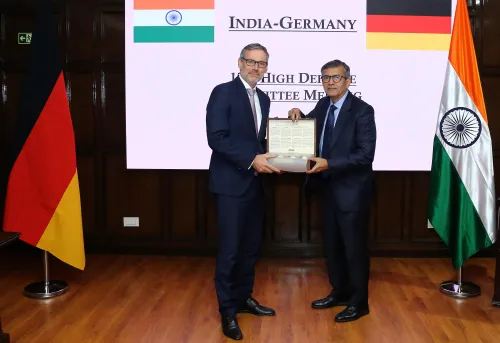
Addressing defence cooperation between the two nations, Ambassador Wieck made clear that the bottleneck is no longer on Germany's side. 'In terms of the documents, it has already been finalised and the German side has agreed to it. It is now up to the Indian side to complete and conclude its internal processes,' he said.
The remarks signal that Berlin is ready to move — and that the onus for closing one of India's significant defence import agreements now rests squarely with New Delhi's procurement bureaucracy. India's defence acquisitions typically pass through multiple layers of clearance, including the Defence Acquisition Council and Cabinet Committee on Security, before a final contract is signed.
Wieck on Russia-Ukraine: 'Putin Can Stop This Tomorrow'
The German envoy also weighed in sharply on the ongoing Russia-Ukraine conflict, placing full responsibility for its continuation on Russian President Vladimir Putin. 'First of all, it is up to Putin to stop this war. He is the one who can stop it as early as tomorrow. He is the aggressor and he is standing in the way of a ceasefire agreement. Ukraine is ready to sign such an agreement, while Russia is not,' Wieck said.
Wieck argued that the international community must intensify economic pressure on Moscow. 'Therefore, we all have to put pressure on Russia. We have to change the cost-benefit calculation of the Russian leadership by increasing the costs through sanctions,' he added.
Oil Revenues in the Crosshairs
The Ambassador identified Russia's oil exports as a critical funding stream for its military operations and called for coordinated efforts to restrict Moscow's ability to sell crude abroad. According to Wieck, a significant reduction in oil revenues would erode Russia's financial capacity to sustain the conflict, making continued warfare progressively untenable.
This is a pointed message with particular resonance for India, which has sharply increased its purchases of discounted Russian crude since 2022 — a policy that Western partners, including Germany, have repeatedly flagged as indirectly sustaining Moscow's war chest.
Defence Ties in a Broader Context
The submarine deal, if concluded, would mark a significant expansion of India-Germany defence and industrial ties at a time when New Delhi is actively diversifying its supplier base away from its historical dependence on Russia. Germany has been positioning itself as a strategic partner for India across naval, aerospace, and green-technology sectors. The pending internal clearance on the Indian side suggests the deal could be formalised in the coming months, though no official timeline has been confirmed.
Point of View
He shifts accountability for delay firmly onto New Delhi's procurement machinery, which has a long record of stalling even cleared deals. The submarine announcement arrives alongside a barely veiled critique of India's Russian oil imports, suggesting Berlin is using this defence opening to press India on a broader geopolitical alignment question. India's strategic ambiguity on Russia has been its most consistent foreign-policy friction point with European partners, and Germany's simultaneous defence outreach and sanctions pressure signal a coordinated effort to reorient New Delhi's calculus. Whether India reads this as partnership or pressure will shape the pace of the final signing.
NationPress
23 Sept 2026
Frequently Asked Questions
What is the India-Germany submarine deal?
It is a proposed defence agreement under which Germany would supply submarines to India. German Ambassador Dr Jasper Wieck confirmed on 23 September 2026 that all documents have been finalised and agreed upon on the German side, with India's internal approval process remaining the only outstanding step.
Why is the India-Germany submarine deal not yet signed?
The deal is pending completion of India's internal procurement procedures. Defence acquisitions of this scale typically require clearance from multiple bodies, including the Defence Acquisition Council and the Cabinet Committee on Security, before a contract can be formally signed.
What did the German Ambassador say about Russia and Ukraine?
Ambassador Wieck said Russian President Vladimir Putin 'is the aggressor' and can end the war 'as early as tomorrow.' He stated that Ukraine is ready to sign a ceasefire agreement but Russia has refused, and called on the international community to increase pressure on Moscow through expanded sanctions.
Why did the German Ambassador raise Russia's oil exports?
Wieck identified Russia's oil revenues as a key source of funding for its military operations in Ukraine. He argued that restricting Russia's ability to sell crude abroad would reduce its financial capacity to sustain the conflict — a remark widely seen as directed at countries, including India, that have increased purchases of discounted Russian oil since 2022.
What is the significance of the India-Germany submarine deal for India's defence strategy?
If concluded, the deal would represent a meaningful step in India's effort to diversify its defence supplier base away from Russia, which has historically been its dominant arms source. It would also deepen India-Germany strategic ties at a moment when New Delhi is expanding partnerships with European nations across naval and aerospace sectors.