India-Kiribati healthcare cooperation: drugs, dialysis, sea ambulance on agenda
Synopsis
India's High Commissioner to Fiji, Suneet Mehta, travelled to South Tarawa to meet Kiribati ministers across health, trade, and infrastructure — discussing dialysis machines, a sea ambulance, affordable drugs, coconut industry ties, and a FIPIC III-mandated desalination plant. For a Pacific island nation fighting climate vulnerability and healthcare gaps, this visit signals that India's Pacific diplomacy is moving from pledges to deliverables.
Key Takeaways
High Commissioner Suneet Mehta visited South Tarawa, Kiribati on 16 June for multi-sector ministerial meetings.
Healthcare talks with Minister Bootii Nauan covered affordable drugs , dialysis machines , and a sea ambulance for Kiribati.
Trade discussions with Ministers Tangariki Reete and Martin Moreti focused on the coconut and copra industries and entrepreneurship.
A desalination plant — a commitment under FIPIC III — was discussed with the Ministry of Infrastructure and Sustainable Energy.
The High Commission of India in Suva holds concurrent accreditation for Kiribati under India's Pacific Islands engagement framework.
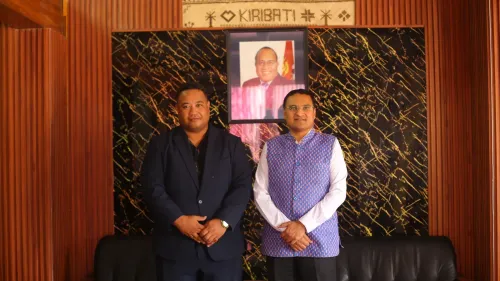
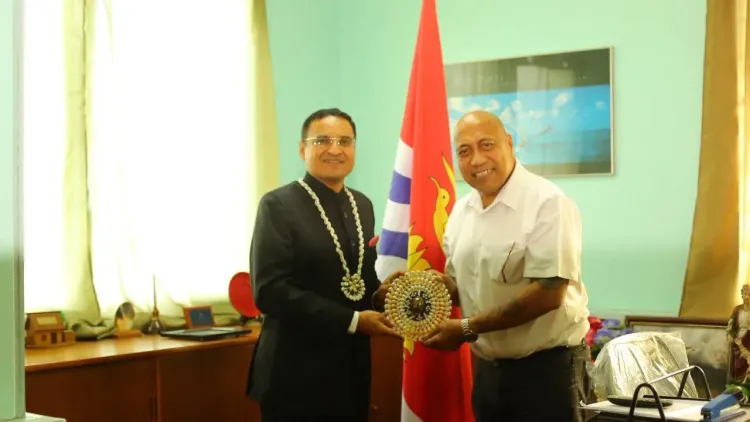
High Commissioner Suneet Mehta of India to Fiji on Tuesday, 16 June held wide-ranging meetings with senior Kiribati ministers in South Tarawa, with healthcare cooperation, trade, and sustainable infrastructure topping the agenda. The visit marks a significant diplomatic outreach under India's deepening engagement with Pacific Island nations.
Healthcare Cooperation at the Centre
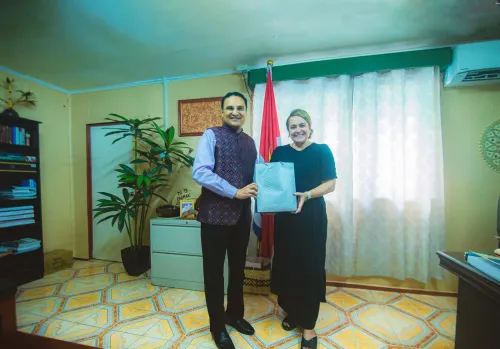
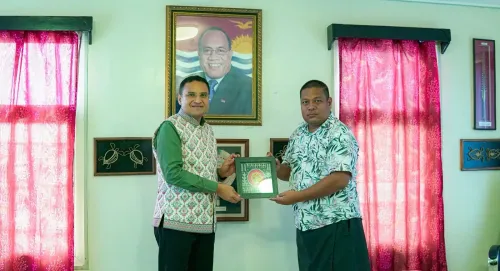
Mehta met Bootii Nauan, Kiribati's Minister for Health and Medical Services, to explore concrete pathways for strengthening bilateral health ties. Discussions reportedly covered the provision of high-quality and affordable drugs, dialysis machines, and a sea ambulance — critical needs for an island nation with limited medical infrastructure and remote population centres.
Capacity building and advancing shared development priorities were also on the table, according to the High Commission of India in Suva. 'Together, we're committed to building stronger health systems and a healthier future for the Pacific,' the High Commission stated. The High Commission in Suva holds concurrent accreditation for Kiribati.
Trade and Economic Ties
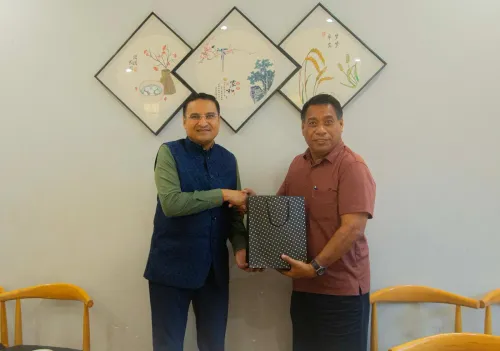
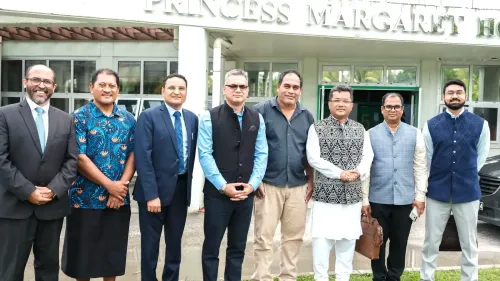
Mehta was received at Bonriki International Airport, Tarawa, by Tangariki Reete, Minister for Commerce, Industry and Cooperatives, and Martin Moreti, Minister of Justice of Kiribati. Talks focused on strengthening cooperation in trade, entrepreneurship, and sustainable economic development, with particular emphasis on the coconut and copra industries — a cornerstone of Kiribati's economy.
The discussions reaffirmed both sides' commitment to deeper bilateral ties, according to the High Commission. This comes amid India's broader push to expand its economic footprint across the Pacific under the Forum for India-Pacific Islands Cooperation (FIPIC) framework.
Infrastructure and Climate Resilience
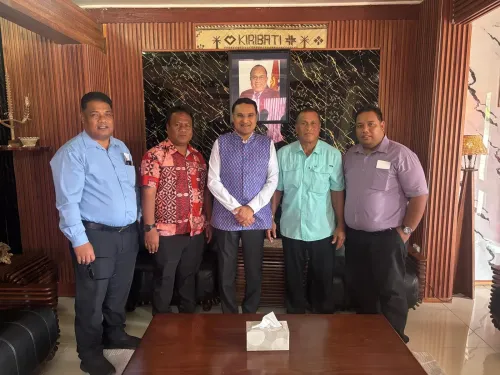
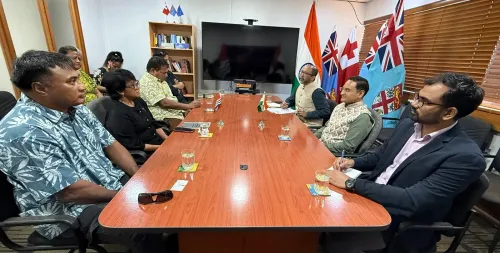
Mehta also engaged with a high-level team from Kiribati's Ministry of Infrastructure and Sustainable Energy, with talks centring on water and sanitation infrastructure, climate-resilient initiatives, and greater involvement of Indian businesses in supporting sustainable development on the islands.
Notably, the High Commissioner discussed the establishment of a desalination plant — a commitment made under the 3rd Forum for India-Pacific Islands Cooperation (FIPIC III). For a low-lying atoll nation acutely vulnerable to rising sea levels and freshwater scarcity, the desalination pledge carries strategic as well as humanitarian weight.
India's Pacific Engagement in Focus
The Tarawa visit reflects India's sustained effort to translate FIPIC commitments into on-the-ground deliverables. Kiribati, spread across the central Pacific, faces existential climate threats and relies heavily on external partners for healthcare and infrastructure support. India's offer of affordable medicines and medical equipment fits within its broader 'Global South' diplomacy, positioning New Delhi as a development partner rather than a donor.
With FIPIC III commitments now being operationalised across multiple sectors, the pace of follow-through in the coming months will be closely watched by Pacific Island nations.
Point of View
And a functioning plant would be a visible, durable symbol of Indian partnership. Yet the real measure of this engagement will be whether dialysis machines and sea ambulances actually reach remote atolls, or remain line items in a communiqué. India's 'Global South' framing only holds credibility if Pacific partners see tangible outcomes — and Kiribati, with its acute healthcare and freshwater deficits, is an unforgiving test case.
NationPress
19 Sept 2026
Frequently Asked Questions
What did India and Kiribati discuss during the High Commissioner's visit?
High Commissioner Suneet Mehta met Kiribati ministers covering health, trade, justice, and infrastructure on 16 June in South Tarawa. Key topics included affordable drugs, dialysis machines, a sea ambulance, coconut industry cooperation, and a desalination plant under the FIPIC III framework.
What healthcare support is India offering Kiribati?
India is exploring the provision of high-quality and affordable medicines, dialysis machines, and a sea ambulance to Kiribati, along with capacity-building initiatives. The discussions aim to strengthen Kiribati's health systems, which face significant gaps due to the country's remote island geography.
What is FIPIC III and why does it matter for Kiribati?
FIPIC III refers to the 3rd Forum for India-Pacific Islands Cooperation, a multilateral platform through which India engages with Pacific Island nations on development priorities. For Kiribati, a key commitment under FIPIC III is the establishment of a desalination plant — critical for a low-lying atoll nation facing freshwater scarcity and climate threats.
Which Kiribati ministers did High Commissioner Mehta meet?
Mehta met Health Minister Bootii Nauan, Commerce and Industry Minister Tangariki Reete, Justice Minister Martin Moreti, and a high-level team from the Ministry of Infrastructure and Sustainable Energy of Kiribati.
Why does India engage with Kiribati through the Fiji High Commission?
The High Commission of India in Suva, Fiji, holds concurrent accreditation for Kiribati, meaning it represents Indian diplomatic interests across both countries. This is a common arrangement for small Pacific Island nations that do not host resident Indian missions.