Has India Secured a Deal for Two More MQ-9 Drones to Enhance Naval Capabilities?
Synopsis
India's recent approval for leasing two more MQ-9 drones signals a major leap in its naval capabilities, further solidifying the strategic partnership with the United States. The role of aerospace expert Vivek Lall has been pivotal in this collaboration, enhancing India's surveillance and reconnaissance capabilities in crucial maritime zones.
Key Takeaways
India leases two additional MQ-9 drones for its Navy.
Influence of Vivek Lall in strengthening US-India defence ties.
Enhanced surveillance and reconnaissance capabilities.
First lease of MQ-9 drones occurred in 2020.
Signifies ongoing strategic partnership between India and the US.
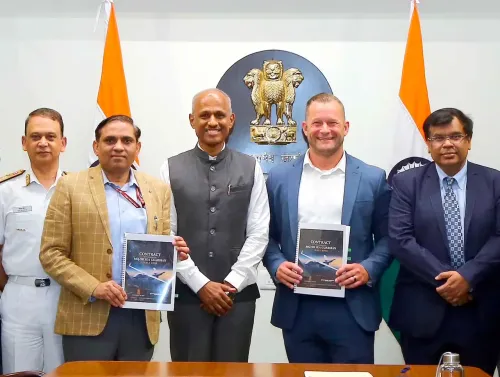
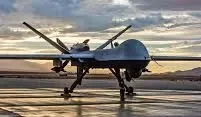
Washington, Dec 30 (NationPress) India has officially sanctioned the lease of two additional General Atomics MQ-9 unmanned aerial vehicles for the Indian Navy. This strategic decision is significantly influenced by the persistent efforts of Vivek Lall, a US-based aerospace expert, whose contributions over the past twenty years have been pivotal in strengthening defence trade and industrial collaboration between New Delhi and Washington.
The Defence Acquisition Council (DAC), led by Defence Minister Rajnath Singh, has granted this approval, marking a considerable enhancement to India’s intelligence, surveillance, and reconnaissance (ISR) capabilities, particularly along its borders and in the Indian Ocean.
Defence analysts regard the MQ-9 as one of the leading high-altitude, long-endurance unmanned systems globally.
This latest move follows India’s initial lease of two MQ-9 aircraft from General Atomics in 2020, which have been critical in fulfilling India’s ISR requirements, offering continuous surveillance and real-time intelligence for maritime and border security. The new drones are expected to further bolster India’s maritime awareness in key strategic areas.
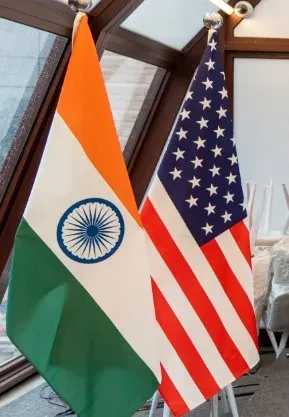
The decision aligns with the renewed focus by Prime Minister Modi and former US President Trump on expanding defence cooperation as a cornerstone of the India-US strategic partnership. Defence relations have consistently strengthened, showcasing increased interoperability and a commitment to advanced technologies.
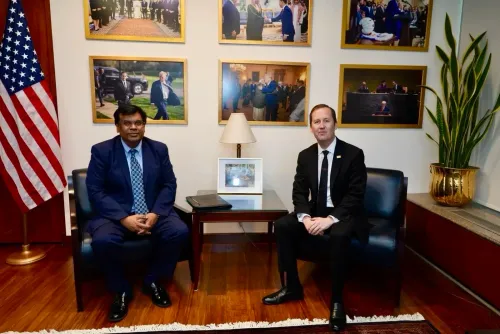
Vivek Lall, now Chief Executive of General Atomics Global Corporation, has been instrumental in promoting defence trade between India and the United States, fostering closer ties between defence manufacturers in both nations and enhancing India’s access to vital US defence technologies.
Previously, as a senior official at Lockheed Martin, Lall played a crucial role in finalizing the much-anticipated agreement for 24 MH-60R anti-submarine warfare helicopters for the Indian Navy, a significant deal concluded during President Trump’s notable visit to India during his first term.
Lall has significantly influenced several major defence acquisitions that have notably enhanced India's military capabilities while also contributing to US employment and industry.
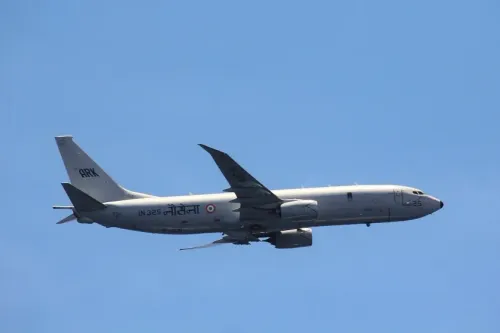
These include the anticipated procurement of 31 General Atomics MQ-9B drones for the Indian Navy, Air Force, and Army; the acquisition of 24 MH-60R helicopters; Boeing P-8I maritime patrol aircraft; 22 Harpoon anti-ship missiles; AH-64E Apache attack helicopters; CH-47 Chinook heavy-lift helicopters for the Air Force; and 10 C-17 Globemaster III transport aircraft.
These collaborations have positively impacted over 100 public and private enterprises in India’s defence sector, integrating them into global manufacturing frameworks and enhancing domestic industrial capabilities, as reported by officials.
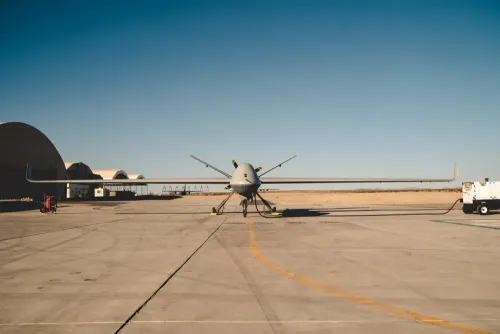
The MQ-9 is a high-altitude, long-endurance drone widely utilized by the US military and its allies for intelligence and maritime surveillance, with its enhanced deployment highlighting India’s increasing dependence on advanced unmanned systems to secure its land and maritime borders.
Frequently Asked Questions
What are MQ-9 drones?
MQ-9 drones are high-altitude, long-endurance unmanned aerial vehicles designed for intelligence, surveillance, and reconnaissance missions.
How will the new drones benefit India's Navy?
The new MQ-9 drones will significantly enhance India's surveillance capabilities, allowing for better monitoring of maritime and border security.
When did India first lease MQ-9 drones?
India first leased two MQ-9 drones from General Atomics in 2020.
What is the significance of the Defence Acquisition Council?
The Defence Acquisition Council (DAC) oversees the procurement of defence equipment and plays a crucial role in enhancing India's military capabilities.