India opens Wagah border for Pakistani Sikh pilgrims in humanitarian gesture
Synopsis
When Pakistan blocked its own Sikh pilgrims from using the Attari route and briefly stopped them from travelling at all, India responded by opening the Wagah border for their return — a gesture the pilgrims themselves said came from exactly the wrong country's government. The episode has quietly reframed the optics of India's soft power outreach to the global Sikh community.
Key Takeaways
Pakistan refused to allow its Sikh pilgrims to use the Attari border , forcing a longer, costlier route through multiple countries costing lakhs of rupees .
Pakistani authorities halted the pilgrims' travel minutes before departure , causing widespread controversy in both countries.
India's government opened the Wagah border specifically to facilitate the pilgrims' return to Pakistan, going beyond standard border protocols.
The pilgrims publicly expressed gratitude to Prime Minister Narendra Modi's government, saying the support they expected from Islamabad came instead from New Delhi .
The incident has renewed calls for a formalised, regularised access framework for Pakistani Sikh pilgrims visiting Indian shrines.
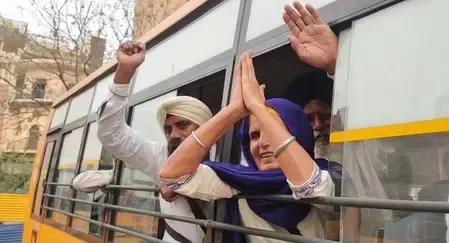
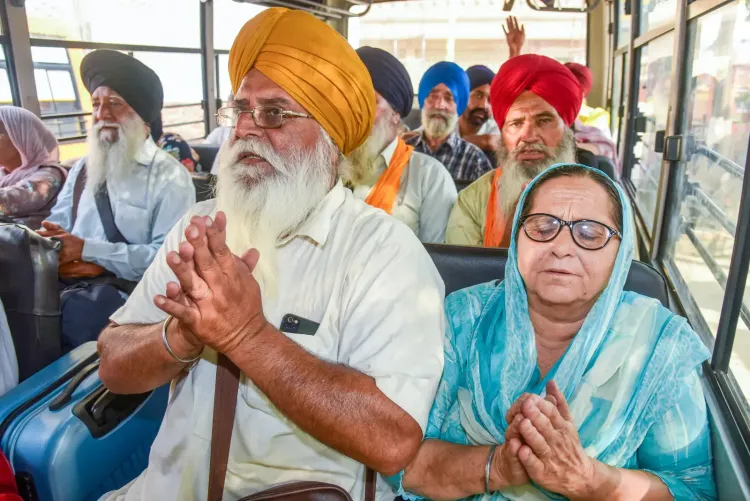
The government of Prime Minister Narendra Modi has opened the Wagah border to facilitate the return of Pakistani Sikh pilgrims to Pakistan, in what observers are calling a significant humanitarian gesture that goes well beyond routine border arrangements. The move, reported on 14 November 2026, underscores India's stated commitment to protecting the religious rights and cultural heritage of the Sikh community globally, according to a report by Khalsa Vox.
Background: A Journey Fraught With Obstacles
The Pakistani Sikh pilgrims had sought to visit India's historic Sikh shrines and reconnect with relatives. They had initially requested entry through the Attari border, which would have offered a shorter and more affordable route. However, the Pakistani government refused to permit them to use that crossing, compelling them to arrange a longer and significantly costlier alternative involving travel through multiple countries — a process that reportedly cost the pilgrims lakhs of rupees in tickets alone.
Notably, just minutes before their scheduled departure, Pakistani authorities barred the pilgrims from travelling altogether, leaving them deeply disappointed and sparking widespread discussion in both countries. They were eventually granted permission to visit India, though the Attari border remained closed to them throughout.
India's Response: Wagah Border Opened for Return
When the pilgrims were ready to return home, the Indian government took the initiative of opening the Wagah border specifically to facilitate their passage back to Pakistan, reportedly going beyond standard border protocols. According to the Khalsa Vox report, the pilgrims themselves expressed that the support and logistical assistance they had anticipated from their own government had instead come from New Delhi. They conveyed heartfelt gratitude to the Modi government for the gesture.
'The sensitivity shown by the Indian government towards a group of Sikh pilgrims from Pakistan is a significant example of this commitment,' the report noted, adding that India's respect for Sikh religious rights 'is not limited to Sikhs living in India; it extends to Sikhs living anywhere in the world, including Pakistan.'
The Broader Significance
The episode carries weight beyond the immediate act of border facilitation. It arrives at a time when India-Pakistan relations remain tense and cross-border movement is tightly restricted. The Khalsa Vox report also pointed out that some overseas Sikh organisations that frequently criticise the Modi government 'should perhaps take a closer look at this example of how the Indian government demonstrates respect and sensitivity towards the Sikh community.'
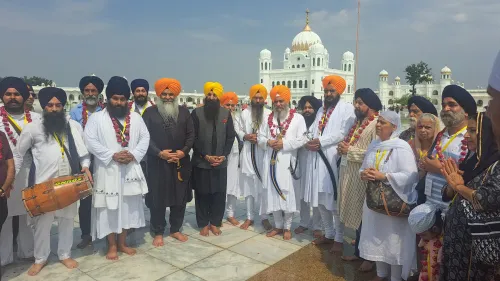
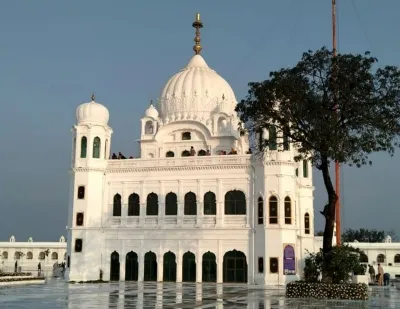
This comes amid a broader pattern in which the Indian government has repeatedly emphasised its regard for Sikh religious heritage — from the opening of the Kartarpur Corridor in 2019 to facilitation of access to shrines tied to the Sikh Gurus. Critics have at times questioned whether such gestures are matched by substantive policy shifts, but proponents argue that concrete steps — such as the Wagah opening — carry tangible value for the community.
What It Means Going Forward
The incident has renewed calls in sections of the Sikh diaspora for more regularised and dignified access arrangements for Pakistani Sikh pilgrims visiting Indian shrines. Industry observers and community leaders note that while the Wagah gesture was well-received, a sustainable framework — rather than ad hoc humanitarian measures — would better serve the interests of the global Sikh community. Whether this episode leads to diplomatic conversations on formalising such access remains to be seen.
Point of View
However, is how ad hoc India's facilitation still is; opening Wagah on a one-off basis is a gesture, not a framework. For this goodwill to translate into durable community trust — particularly among overseas Sikh groups that remain sceptical of New Delhi — it needs to be institutionalised, not episodic.
NationPress
14 Nov 2026
Frequently Asked Questions
Why did Pakistani Sikh pilgrims need India's help to return home?
Pakistan refused to allow the pilgrims to use the shorter Attari border crossing, forcing them onto a longer and more expensive route through multiple countries. When Indian authorities opened the Wagah border for their return, it was seen as going beyond standard arrangements to ease the pilgrims' journey.
What did India do to help the Pakistani Sikh pilgrims?
The Indian government opened the Wagah border specifically to facilitate the pilgrims' return to Pakistan, a step that reportedly went beyond routine border protocols. The pilgrims publicly thanked Prime Minister Narendra Modi's government for the support.
What obstacles did the pilgrims face before entering India?
Pakistan initially refused to let the pilgrims use the Attari route and then, just minutes before their scheduled departure, barred them from travelling at all. They had already purchased tickets worth lakhs of rupees for the alternative multi-country route.
What is the significance of this gesture for India-Pakistan relations?
The move is being read as a demonstration of India's stated commitment to Sikh religious rights globally, arriving at a time when broader India-Pakistan ties remain strained. Analysts note it strengthens India's soft-power outreach to the global Sikh diaspora, though a formalised framework for pilgrim access would carry more lasting weight.
Is there a permanent arrangement for Pakistani Sikh pilgrims to visit India?
Currently, no fully formalised, permanent corridor exists specifically for Pakistani Sikh pilgrims beyond the Kartarpur Corridor, which links Dera Baba Nanak in India to Gurdwara Darbar Sahib in Pakistan. This episode has renewed calls for a more regularised access mechanism.