India-Thailand strategic partnership: Trade, connectivity top Bangkok talks
Synopsis
India and Thailand are pushing their Strategic Partnership into higher gear. A Bangkok meeting between India's Ambassador and Thailand's Deputy PM covered trade, connectivity, and regional coordination — building on the partnership elevated during Modi's Bangkok visit and a new Thai PM now in place. Both countries' complementary 'Act East' and 'Act West' policies give this relationship a structural logic that goes beyond ceremonial diplomacy.
Key Takeaways
India and Thailand held diplomatic talks in Bangkok on 30 June to deepen their Strategic Partnership .
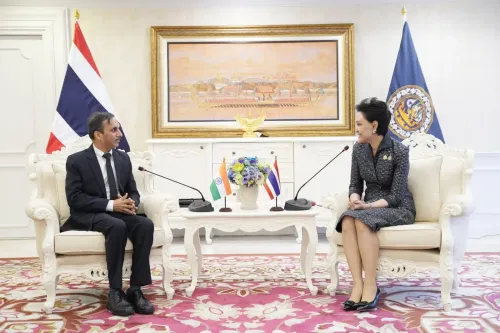
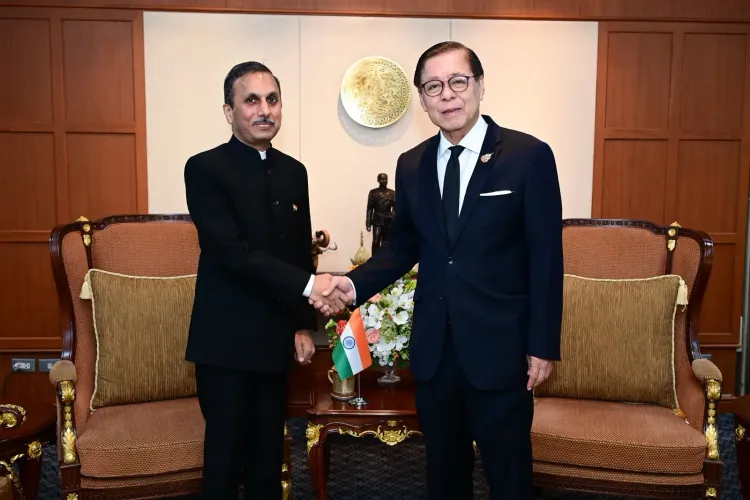
India's Ambassador Puneet Agrawal met Thailand's Deputy PM and Foreign Minister Sihasak Phuangketkeow .
Talks covered bilateral trade and investment, connectivity, cultural ties, and regional coordination.
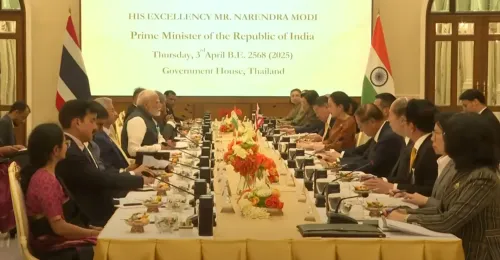
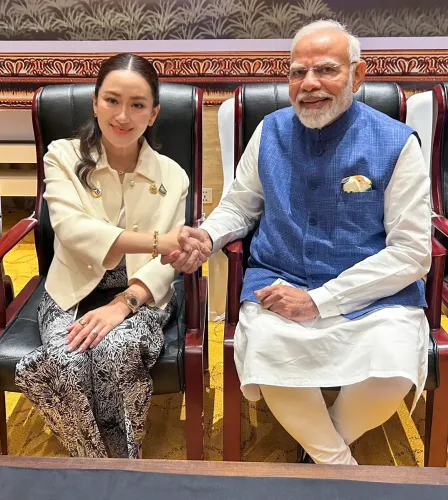
The Strategic Partnership was formally elevated during PM Narendra Modi 's visit to Bangkok in April last year .
PM Modi congratulated new Thai PM Anutin Charnvirakul in March , pledging to deepen the multifaceted partnership.
Diplomatic ties between the two nations date to 1947 ; the 75th anniversary was celebrated in 2022 .
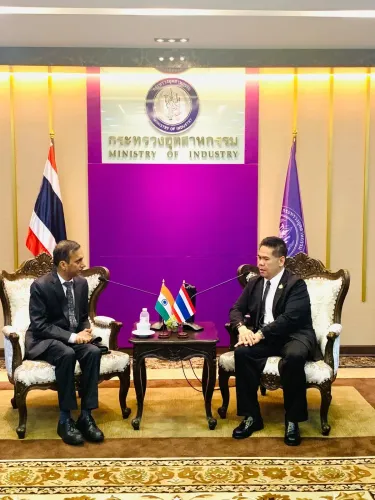
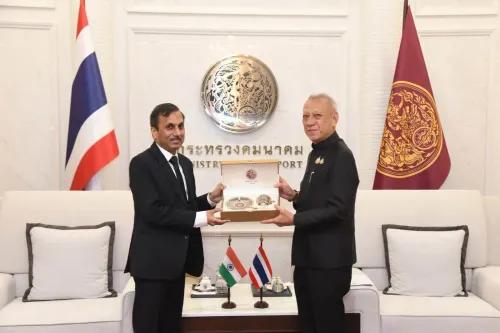
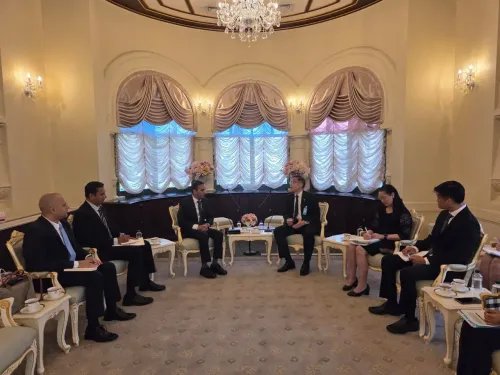
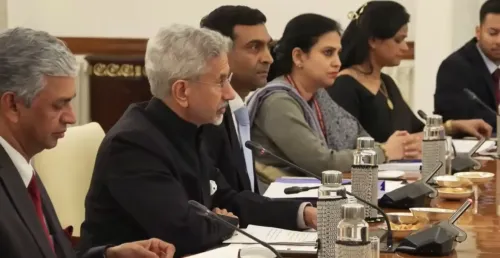
India and Thailand on Tuesday, 30 June held high-level discussions in Bangkok to strengthen their bilateral Strategic Partnership, with trade and investment expansion, connectivity initiatives, and regional coordination topping the agenda. The meeting took place between India's Ambassador to Thailand, Puneet Agrawal, and Thailand's Deputy Prime Minister and Minister of Foreign Affairs, Sihasak Phuangketkeow.
What Was Discussed
According to the Indian Embassy in Thailand, the discussions centred on 'further strengthening India-Thailand Strategic Partnership by enhancing bilateral trade and investment ties in a balanced manner, religious, cultural and people-to-people linkages, connectivity initiatives and greater coordination on regional issues, among others.' The breadth of the agenda reflects how rapidly the bilateral relationship has matured since its elevation to Strategic Partnership status.
Background: How the Partnership Was Elevated
India and Thailand upgraded their bilateral ties to a Strategic Partnership in April last year during Prime Minister Narendra Modi's visit to Bangkok — a landmark moment that formalised decades of deepening engagement. Diplomatic relations between the two nations date back to 1947, and both countries marked the 75th anniversary of those ties in 2022.
Modi's Message to New Thai PM
In March, Prime Minister Modi congratulated Anutin Charnvirakul on his election as Thailand's Prime Minister after Charnvirakul, a candidate from the Bhumjaithai Party, secured a simple majority in a vote by the House of Representatives. In a post on X, Modi stated: 'Heartiest congratulations to Mr. Anutin Charnvirakul on his election as Prime Minister of the Kingdom of Thailand. I look forward to working closely with him. Together, we will further deepen the multifaceted India-Thailand Strategic Partnership. Our ties are rooted in shared civilisational heritage, close cultural connect and vibrant people-to-people ties. India and Thailand remain united in our shared aspirations for peace, progress and prosperity for our peoples.'
Complementary Policy Frameworks
The relationship is underpinned by a natural strategic alignment: Thailand's 'Act West' policy directly complements India's 'Act East' policy, creating a structural basis for deeper cooperation. The bilateral relationship spans trade and investment, defence and security, connectivity, culture and tourism, education, science and technology, and people-to-people exchanges, according to the Indian Embassy.
What Comes Next
With a new Thai Prime Minister now in office and both sides reaffirming commitment at the diplomatic level, the focus is expected to shift toward translating the Strategic Partnership into concrete deliverables — particularly on trade balance, infrastructure connectivity, and sub-regional cooperation within ASEAN frameworks. The Bangkok talks signal that both governments intend to keep that momentum going.
Point of View
And it signals that New Delhi is not waiting to test the new government's orientation. India's Act East policy has long identified Thailand as a gateway into mainland Southeast Asia, yet trade volumes have remained below potential. The real measure of this Strategic Partnership's depth will be whether the two sides move from dialogue to deliverables on connectivity — particularly the India-Myanmar-Thailand Trilateral Highway, which has faced persistent delays. Warm words and complementary policy slogans are not a substitute for infrastructure on the ground.
NationPress
29 Sept 2026
Frequently Asked Questions
What was discussed in the India-Thailand talks on 30 June 2025?
India's Ambassador Puneet Agrawal met Thailand's Deputy Prime Minister Sihasak Phuangketkeow in Bangkok on 30 June to discuss strengthening the India-Thailand Strategic Partnership. Topics included bilateral trade and investment, connectivity initiatives, cultural and people-to-people ties, and coordination on regional issues.
When did India and Thailand establish a Strategic Partnership?
India and Thailand elevated their bilateral ties to a Strategic Partnership in April last year during Prime Minister Narendra Modi's visit to Bangkok. Diplomatic relations between the two countries have existed since 1947.
Who is the new Prime Minister of Thailand and what did Modi say?
Anutin Charnvirakul of the Bhumjaithai Party was elected Thailand's Prime Minister after securing a simple majority in the House of Representatives. PM Modi congratulated him in March, expressing commitment to deepening the multifaceted India-Thailand Strategic Partnership.
How do India's and Thailand's foreign policies complement each other?
India's 'Act East' policy and Thailand's 'Act West' policy are structurally aligned, making the two countries natural partners in trade, connectivity, and regional diplomacy within the broader ASEAN framework.
What sectors does the India-Thailand relationship cover?
According to the Indian Embassy in Thailand, the bilateral relationship spans trade and investment, defence and security, connectivity, culture and tourism, education, science and technology, and people-to-people exchanges.