India's Strategic Engagement in Africa: A Key to Energy Security and Maritime Safety
Synopsis
India's Africa policy is not just about trade; it's a strategic blueprint for enhancing energy security and maritime safety. Discover how India's engagements with Nigeria and Mozambique are reshaping its role in the global energy landscape.
Key Takeaways
India's Africa policy plays a vital role in energy security .
Nigeria is a key supplier for India's crude oil needs.
India's investments in Mozambique's gas sector are substantial.
The Indian naval presence is crucial for securing maritime routes.
Trade between India and Nigeria remains robust, focusing on energy.
New Delhi, Feb 24 (NationPress) The current Africa policy of India is significantly contributing to strengthening energy security, boosting exports, and is strategically aligned with the objective of safeguarding sea lanes crucial for trade, supported by India's naval presence in the Indian Ocean.
In a broader context, India's interactions with Nigeria and Mozambique provide a clear insight into how New Delhi is effectively implementing its Africa policy, as highlighted in an article from India Narrative.
As the third-largest energy consumer globally, India relies on imports for over 85 percent of its crude oil needs, making it vital to diversify its oil sources to protect domestic consumers from geopolitical risks.
Nigeria has consistently ranked among India's top five suppliers of crude oil. During periods of supply interruptions in West Asia, Nigeria's light crude offers not just geographical diversification but also reduces political risk. Despite fluctuations due to global price variations and freight costs, trade between India and Nigeria remains robust, fluctuating between $11 and $15 billion annually, with energy as the primary component, as noted by retired IFS officer Sanjay Kumar Verma.
India exports a variety of products to Nigeria, including pharmaceuticals, machinery, transport equipment, plastics, and refined petroleum. Indian pharmaceutical companies hold a substantial market share in Nigeria's generic medicine sector, establishing India as a vital source of affordable healthcare in West Africa. Additionally, Indian investments in Nigeria span multiple sectors such as power generation, manufacturing, consumer goods, and services, amounting to several billion dollars. Indian firms are significant employers in Nigeria's organized private sector, creating tens of thousands of jobs both directly and indirectly.
Furthermore, Nigeria is home to around 50,000 Indians, including professionals and long-term residents. A large number of Nigerian students pursue studies in medicine, engineering, and management at Indian universities, further enhancing the cultural ties between the two nations.
The article also emphasizes that while Nigeria is a cornerstone of India's energy strategy in Africa, Mozambique represents the forward-looking aspect of this engagement.
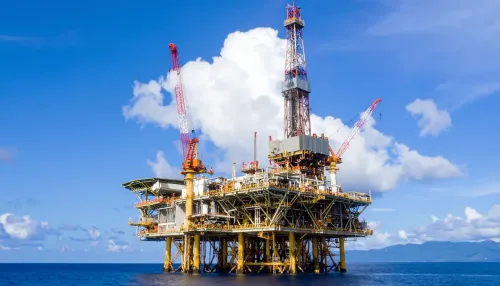
The discovery of extensive natural gas reserves in Mozambique's Rovuma Basin, estimated to be over 100 trillion cubic feet, could transform global LNG markets. Indian public sector companies, like ONGC Videsh, Bharat Petroleum, and Oil India Limited, have committed billions to offshore Area 1 projects. India's significant financial stake in Mozambican LNG ventures solidifies its position as one of its most crucial upstream energy investments in Africa, allowing for future cargo security while mitigating market volatility.
Moreover, Mozambique's significance goes beyond hydrocarbons; its extensive coastline along the Western Indian Ocean positions it strategically within India's maritime expansion. The intersection of energy security and maritime strategy is particularly evident in the sea routes linking African energy production to Indian consumption. Oil tankers transporting crude from West Africa and LNG carriers loading off Mozambique's shores navigate increasingly competitive waters, fraught with challenges such as piracy and insurgency spillovers. Therefore, safeguarding communication routes and enhancing maritime domain awareness are essential extensions of energy policy. India's growing naval presence in the Western Indian Ocean is a prudent economic strategy rather than mere ambition.
As the article articulates, "India is not just purchasing oil from Nigeria or investing in gas in Mozambique. It is intricately integrating itself into Africa’s energy landscape while expanding its maritime influence across the Indian Ocean," thereby securing the country's strategic autonomy in a time where dependency is frequently weaponized.
Point of View
India's proactive engagement with Africa through energy partnerships illustrates a commitment to safeguarding its interests while contributing to regional stability and development. This approach positions India as a key player in the global energy landscape.
NationPress
13 Oct 2026
Frequently Asked Questions
What is the significance of India's Africa policy?
India's Africa policy is crucial for enhancing energy security, safeguarding maritime routes, and boosting bilateral trade, particularly with key players like Nigeria and Mozambique.
How does Nigeria contribute to India's energy needs?
Nigeria is one of India's top crude oil suppliers, providing diversification options that help mitigate risks associated with geopolitical uncertainties.
What investments has India made in Mozambique?
India has invested billions in Mozambique's natural gas sector, particularly in the Rovuma Basin, making it one of India's largest energy investments in Africa.
How does India benefit from its relationship with Nigeria?
India benefits through significant exports of pharmaceuticals and machinery, as well as creating jobs and contributing to healthcare in Nigeria.
What challenges does India face in securing maritime routes?
India faces challenges such as piracy, insurgency, and competition from rival naval forces in maintaining secure maritime routes in the Western Indian Ocean.