Are Iran and Russia Strengthening Military Ties Amid US Threats?
Synopsis
In the backdrop of rising tensions, Iran and Russia's naval forces have joined forces in a significant drill that raises questions about US military intentions in the region. With a looming deadline for nuclear negotiations, the stakes are high, and the geopolitical landscape is shifting rapidly.
Key Takeaways
Joint military drills between Iran and Russia signal strengthening ties.
The US is poised to take military action based on Iran's nuclear negotiations.
Trump's ultimatum adds urgency to diplomatic discussions.
Increased US military presence in the Middle East raises tensions.
Global implications of these developments remain significant.
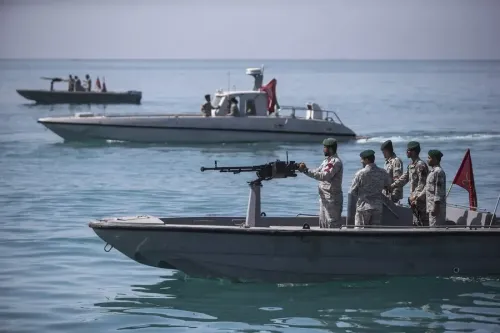
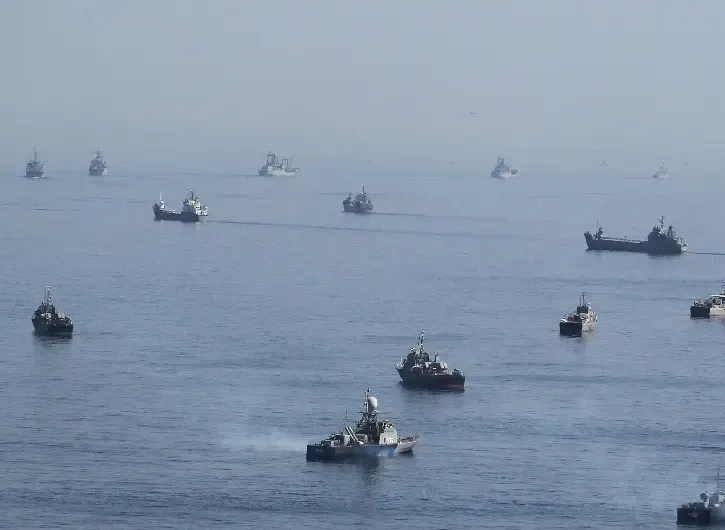
Cairo, Feb 20 (NationPress) The naval forces of Iran and Russia conducted a joint military exercise in the Gulf of Oman and the northern Indian Ocean, amid intensifying rumors of a potential US military strike against Iran. Special operations teams from both Iran's armed forces, including the Islamic Revolution Guards Corps (IRGC), participated in a mission to reclaim a hijacked vessel during the drill, as reported by the Xinhua news agency, which cited information from the Iranian military's website.
The exercise featured Iran's Alvand destroyer, missile-launching vessels, helicopters, amphibious craft, special forces, and fast-attack boats, the report indicated.
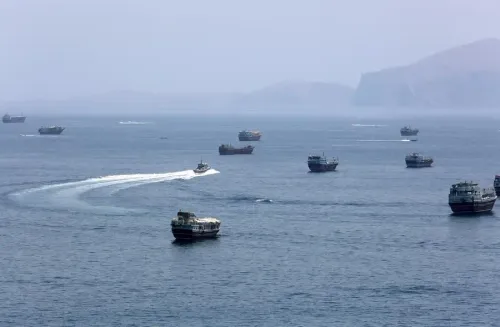
This drill followed an earlier IRGC exercise in the Strait of Hormuz, which briefly shut down this crucial maritime route.
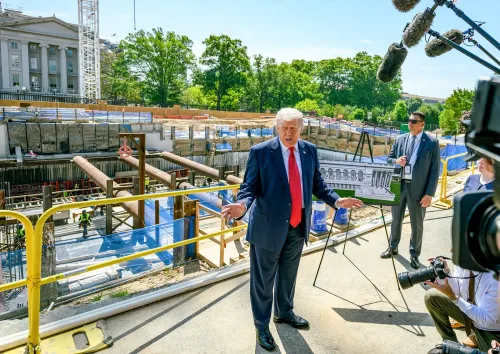
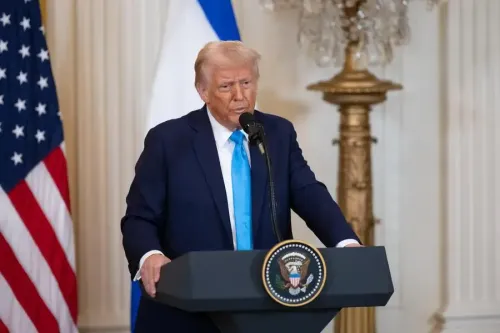
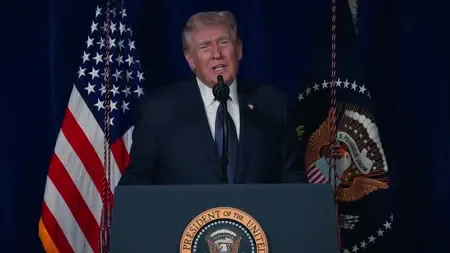
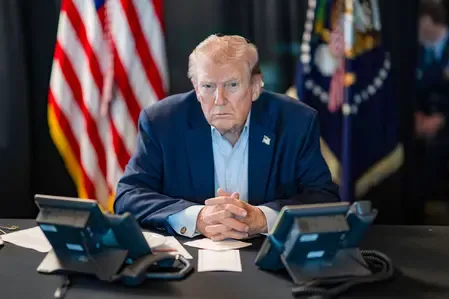
In related developments, US President Donald Trump stated on Thursday that Iran has a window of 10 to 15 days to finalize an agreement concerning its nuclear program, cautioning that otherwise, "really bad things" could ensue.
Trump mentioned, "I would think that would be enough time," while speaking to reporters on Air Force One.
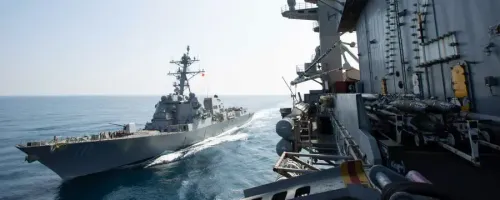
Last week, Trump authorized the deployment of the USS Gerald R. Ford, the largest aircraft carrier globally, to the Middle East, strengthening the presence of the USS Abraham Lincoln and its accompanying guided-missile destroyers already stationed there.
Following a substantial increase in US aerial and naval resources in the Middle East recently, reports indicated that the US military is prepared to launch an attack on Iran "as early as this weekend," according to sources cited by CNN.
Axios reported that a Trump advisor assessed a "90 percent chance" of strikes occurring in the coming weeks if negotiations surrounding the nuclear issue fail.
Any US military action could lead to a large-scale, weeks-long offensive, potentially in collaboration with Israel, aimed at Iran's nuclear and missile capabilities, posing a significant threat to Tehran's leadership, Axios noted.
On Thursday night, The Wall Street Journal revealed that Trump is contemplating "an initial limited military strike" on Iran to pressure it into complying with his nuclear deal demands.
The initial assault, if approved, could occur within days and target a number of military or governmental installations. If Iran fails to adhere to Trump's request to halt its nuclear enrichment, Washington might respond with a broad campaign aimed at critical regime facilities.
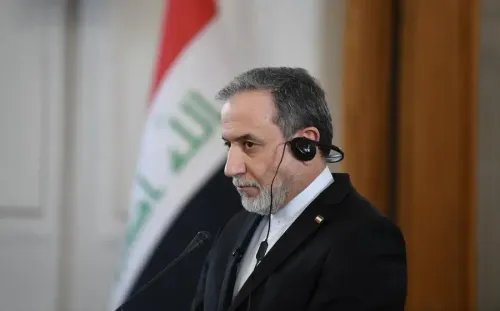
Iran and the United States recently completed a second round of indirect nuclear discussions in Geneva. Iran characterized these talks as more "constructive" compared to the initial round, while US officials acknowledged some progress but noted that numerous details still require discussion.
On Wednesday, White House Press Secretary Karoline Leavitt refrained from assigning a deadline for subsequent discussions, emphasizing that while there are significant reasons for a strike against Iran, diplomacy remains Trump's "first option."
In light of the escalating tensions, Polish Prime Minister Donald Tusk urged Polish nationals in Iran to depart immediately and advised against travel to the region.
Tusk clarified that his intention was not to incite panic but to highlight the substantial risk of a "violent conflict."
Point of View
It is critical to recognize the delicate balance of power in the region. Both military exercises and political negotiations play pivotal roles in shaping outcomes. Our commitment remains to provide unbiased reporting, focusing on the facts while keeping the public informed.
NationPress
15 Oct 2026
Frequently Asked Questions
What was the purpose of the Iran-Russia joint drill?
The joint drill aimed to enhance military cooperation and readiness between Iran and Russia, particularly in response to growing US military threats.
What are the implications of President Trump's ultimatum to Iran?
Trump's ultimatum places significant pressure on Iran to reach a nuclear deal, with the potential for military action if negotiations fail.
How has the US military positioned itself in the region?
The US has bolstered its naval presence in the Middle East by deploying additional aircraft carriers and destroyers in preparation for any potential conflict.
What was the outcome of the recent nuclear talks between the US and Iran?
The recent talks were described as more constructive, but both sides acknowledged that many details still need to be addressed.
What advice did Polish Prime Minister Tusk give regarding travel to Iran?
Prime Minister Tusk advised Polish citizens in Iran to leave immediately due to the heightened risk of conflict.