Iran vows full diplomatic push to free 3 pilots held by Qatar since March
Synopsis
Iran has gone public with a formal demand it has been quietly pressing since March: the release of three military pilots it says Qatar captured after two Su-24 jets were downed on 2 March. With Qatar playing mediator in the Iran-US talks and now denying the detention entirely, Tehran faces a rare diplomatic bind — pushing hard enough to get its pilots back without blowing up the broader process.
Key Takeaways
Iran's Foreign Ministry spokesman Esmaeil Baghaei on 17 August said Tehran will use all bilateral, multilateral, and legal means to resolve the pilots' case.
Two Iranian Su-24 fighter jets with four pilots were reportedly downed on 2 March ; three pilots allegedly captured by Qatar , one killed.
Iran sent its first formal correspondence to the ICRC in mid-March and has raised the issue in every meeting with Qatari officials since.
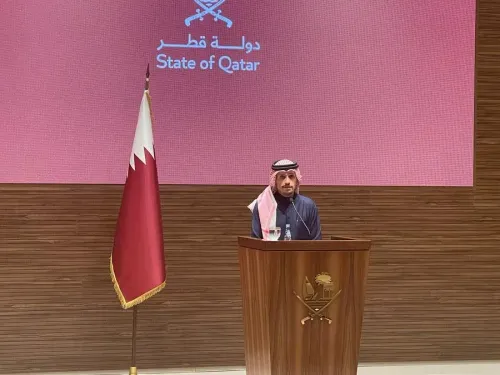
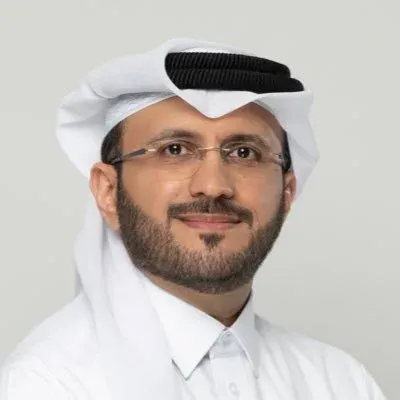
Qatar's Foreign Ministry spokesperson Majed Al Ansari denied the detention claim on Saturday .
An Iranian military commander has called on Qatar to allow an Air Force fact-finding team to visit, rather than simply denying the incident.
The dispute complicates Qatar's role as a facilitator in the ongoing Iran-US diplomatic process .
Iran's Foreign Ministry spokesman Esmaeil Baghaei on Monday, 17 August declared that Tehran will deploy all its bilateral, multilateral, and legal capacities to determine the fate of three Iranian pilots believed to have been detained by Qatar since March 2025. Speaking at his weekly press conference in Tehran, Baghaei described the pilots' situation as Iran's 'serious demand' to Doha and confirmed that the Foreign Ministry has been actively pursuing the matter since first being informed of it.
How Iran Has Pursued the Case
Baghaei said that in mid-March, Iran's Foreign Ministry sent its first formal correspondence to the International Committee of the Red Cross (ICRC) regarding the detained pilots. Simultaneously, Tehran began following up through both the Iranian embassy in Doha and the Qatari embassy in Tehran. 'We have highlighted the issue in every meeting with the Qatari side,' Baghaei said.
He was careful to frame Iran's pressure as consistent with the broader bilateral relationship, noting that Qatar currently plays a role in the Iran-US diplomatic process that has recently begun. 'While we have regular exchanges with Qatar and the Qataris play a role in discussions pertaining to the process that has started between Iran and the United States, we must also express our concerns and considerations,' he said.
What Happened on 2 March
According to Mohammad Bagherzadeh, Commander of the Missing Persons Search Committee of the General Staff of Iran's Armed Forces, two Iranian Su-24 fighter jets carrying four pilots were struck by what he described as 'the enemy's' air defence systems on 2 March while returning from a military mission. Three pilots were reportedly captured by Qatar, while the fourth was killed, Bagherzadeh said in a statement published on Saturday.
Qatar's Denial and Iran's Counter-Response
Qatar's Foreign Ministry spokesperson Majed Al Ansari flatly denied the claim in a social media post on the same day. In response, an Iranian military commander on Sunday called on the Qatari government to allow a fact-finding team from Iran's Air Force to visit Qatar rather than simply issuing denials. The call was made in a statement published on the Missing Persons Search Committee's official website.
Diplomatic Implications
The incident places Qatar — which has served as a key back-channel between Tehran and Washington — in a delicate position. Doha has neither confirmed nor explained the circumstances surrounding the two downed aircraft. Iran's insistence on a fact-finding visit signals that Tehran is escalating pressure beyond quiet diplomatic channels. Notably, this is the first time Iran has publicly and formally demanded access to the pilots since the alleged incident in March. How Qatar responds could have ripple effects on the fragile Iran-US dialogue it has been facilitating.
Point of View
Bilateral channels, and now a fact-finding demand in a single press conference, Iran is building a legal and diplomatic record — useful whether this ends in a quiet handover or an international dispute. Qatar's blunt denial, issued via a social media post rather than a formal statement, suggests Doha is not ready to acknowledge the incident on any terms. The real pressure point is the Iran-US dialogue: Qatar cannot simultaneously be Washington's indispensable back-channel and Tehran's adversary over detained soldiers. Iran knows this, which is precisely why Baghaei went out of his way to say the pilots' issue does not contradict the broader relationship. That framing is not reassurance — it is leverage.
NationPress
17 Aug 2026
Frequently Asked Questions
What happened to the three Iranian pilots allegedly held by Qatar?
According to Iranian military officials, three pilots from two Su-24 fighter jets were captured by Qatar on 2 March after their aircraft were struck by air defence systems during a return from a military mission. Qatar has denied the claim. The fourth pilot onboard was reported killed.
What is Iran doing to secure the pilots' release?
Iran's Foreign Ministry has been engaging through multiple channels since mid-March, including formal correspondence with the ICRC, follow-ups via both embassies in Doha and Tehran, and raising the issue in every bilateral meeting with Qatari officials. Spokesman Esmaeil Baghaei on 17 August said Iran will now use all bilateral, multilateral, and legal capacities to resolve the matter.
Has Qatar responded to Iran's claims?
Yes. Qatar's Foreign Ministry spokesperson Majed Al Ansari denied on Saturday that Qatar had detained any Iranian pilots. Iran's military responded by calling on Qatar to permit an Air Force fact-finding team to visit, rather than simply issuing denials.
Why does Qatar's role in Iran-US talks complicate this dispute?
Qatar has been acting as a facilitator in the diplomatic process between Iran and the United States. Iran's Foreign Ministry spokesman acknowledged this, but stressed that Tehran must still raise its concerns about the pilots — effectively signalling that Doha's mediator role does not shield it from accountability on the detention issue.
Who is Mohammad Bagherzadeh?
Mohammad Bagherzadeh is the Commander of the Missing Persons Search Committee of the General Staff of Iran's Armed Forces. He first publicly disclosed the alleged detention of the three pilots on Saturday, triggering Qatar's denial and the subsequent Iranian demand for a fact-finding visit.