Iran-Russia FMs slam Ukraine's Caspian Sea ship attack, vow response
Synopsis
Ukraine's strike on an Iranian commercial vessel in the Caspian Sea — far from the conventional Black Sea theatre — has drawn simultaneous condemnation from Tehran and Moscow, killed one sailor, and triggered a formal diplomatic protest. The incident signals a dangerous geographic expansion of the Ukraine conflict and tightens the Iran-Russia strategic axis at a moment when Strait of Hormuz tensions are already running high.
Key Takeaways
Iran and Russia jointly condemned Ukraine's strike on an Iranian commercial ship in the Caspian Sea on 27 July .
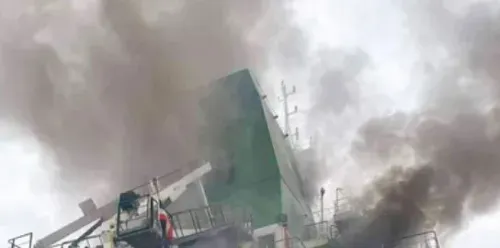
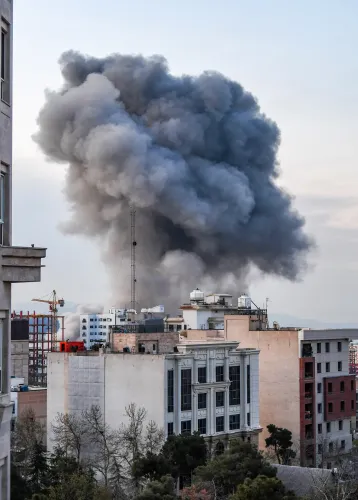
The attack occurred at 3:00 a.m. local time on Saturday , causing the vessel to explode; one sailor was killed and three were injured .
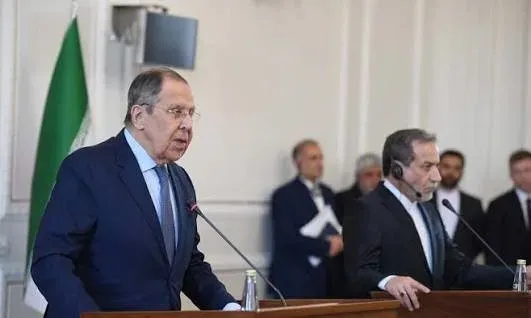
Foreign Ministers Araghchi and Lavrov spoke by phone, with both condemning the strike as a violation of international law.
Iran summoned Ukraine's charge d'affaires in Tehran, delivering a formal note of protest calling the act 'hostile and criminal.' Araghchi separately urged EU foreign policy chief Kaja Kallas , the UN Security Council , and the international community to hold perpetrators accountable.
Ukraine's President Zelensky said forces targeted a Russian warship and vessels carrying Iran-linked military cargo in the Caspian Sea.
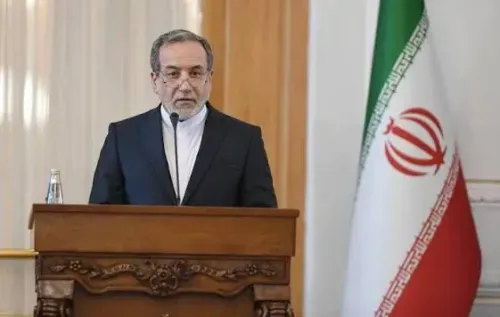
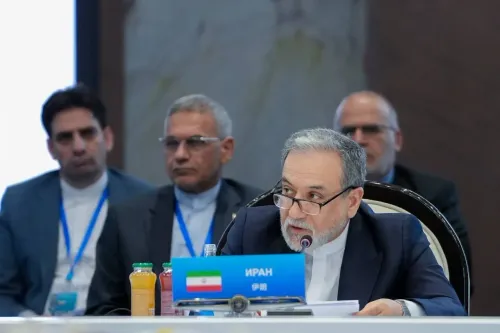
Iranian Foreign Minister Seyed Abbas Araghchi and Russian Foreign Minister Sergei Lavrov jointly condemned Ukraine's strike on an Iranian commercial vessel in the Caspian Sea during a phone call on Sunday, 27 July, according to a statement by Iran's Foreign Ministry. The attack, which occurred at 3:00 a.m. local time on Saturday (2330 GMT on Friday), caused the vessel to explode, killing one sailor and injuring three others.
What Happened
The Ukrainian strike on the Iranian commercial ship in the Caspian Sea marks a significant escalation in the broader conflict's regional reach. Ukraine's President Volodymyr Zelensky said on Saturday that Ukrainian forces had struck a Russian warship and vessels reportedly used to transport Iran-linked military cargo in the Caspian Sea — framing the operation as a legitimate military action.
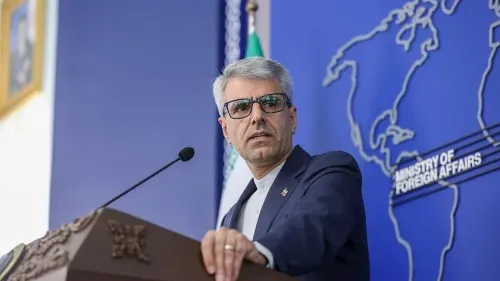
Iran, however, rejected that framing entirely. Araghchi described the attack as a 'dangerous adventurism and clear violation of the fundamental principles of the United Nations Charter,' stressing that Tehran would 'decisively defend its national security and interests,' according to the ministry's statement.
Russia's Position
Lavrov, for his part, denounced the strike as an 'action in violation of international law and a threat against the trade routes between Russia and Iran.' The condemnation underscores the deepening strategic alignment between Moscow and Tehran, with the Caspian corridor serving as a critical economic and military supply lifeline for both nations under Western sanctions pressure.
Iran Summons Ukraine's Envoy, Calls on EU and UN
In a separate development on Saturday, Iran's Foreign Ministry summoned Ukraine's charge d'affaires in Tehran, formally delivering a note of protest that condemned the attack as a 'hostile and criminal' act. Araghchi also held a call with EU foreign policy chief Kaja Kallas, urging the European Union, the UN Security Council, and the broader international community to hold the 'perpetrators' and their supporters accountable.
The two sides additionally addressed rising tensions in the Strait of Hormuz, stressing the need for diplomatic initiatives. Tehran separately described recent US actions in the strait as a 'breach of promises and imposition of insecurity,' signalling that Iran views the Caspian attack within a wider pattern of what it characterises as Western-backed hostility.
Regional Implications
The Caspian Sea has historically been governed by a 2018 convention signed by its five littoral states — Russia, Iran, Azerbaijan, Kazakhstan, and Turkmenistan — which restricts the presence of non-littoral military forces. Ukraine's operation, if confirmed as targeting vessels in those waters, raises serious questions about the conflict's geographic boundaries and the security of civilian shipping lanes far from the Black Sea theatre.
With one sailor dead, three injured, and a vessel destroyed, pressure is mounting on international bodies to respond. Whether the UN Security Council — where Russia holds veto power — can act remains uncertain. The incident is likely to deepen Iran-Russia coordination and add a new front to an already complex diplomatic crisis.
Point of View
Kyiv has handed Tehran a diplomatic grievance that further cements the Moscow-Tehran axis, precisely the outcome Western allies would prefer to avoid. The invocation of the UN Charter by Iran rings hollow given Tehran's own record on that document, but the legal argument about Caspian Sea sovereignty is substantively stronger. The real story here is not the attack itself but what it reveals: the Ukraine conflict has no fixed geography anymore, and the secondary theatres — Caspian, Hormuz, Red Sea — are becoming as consequential as the front lines.
NationPress
27 Jul 2026
Frequently Asked Questions
What happened to the Iranian ship in the Caspian Sea?
An Iranian commercial vessel was struck by Ukrainian forces in the Caspian Sea at approximately 3:00 a.m. local time on Saturday, 26 July, causing it to explode. One sailor was killed and three others were injured in the attack, according to Iran's Foreign Ministry.
Why did Ukraine target a ship in the Caspian Sea?
Ukraine's President Zelensky said Ukrainian forces struck a Russian warship and vessels reportedly used to transport Iran-linked military cargo in the Caspian Sea. Kyiv appears to have framed the operation as targeting military supply lines rather than civilian shipping.
How did Iran respond to the Caspian Sea attack?
Iran summoned Ukraine's charge d'affaires in Tehran on Saturday and delivered a formal note of protest, condemning the act as 'hostile and criminal.' Foreign Minister Araghchi also called on the EU, the UN Security Council, and the international community to hold those responsible to account.
What did Russia's Lavrov say about the attack?
Russian Foreign Minister Sergei Lavrov denounced the strike as an 'action in violation of international law and a threat against the trade routes between Russia and Iran,' during a phone call with his Iranian counterpart on Sunday, 27 July.
What are the broader regional implications of this incident?
The attack signals a geographic expansion of the Ukraine conflict beyond the Black Sea, threatening civilian shipping in the Caspian Sea — a body of water governed by a 2018 convention among five littoral states. It also deepens Iran-Russia strategic coordination and adds pressure on an already tense Strait of Hormuz situation.