India summons Iranian envoy after strike kills Indian sailor in Hormuz

Synopsis
An Iranian cruise missile strike on two UAE oil tankers in the Strait of Hormuz on 14 July killed one Indian sailor and injured six others — prompting India to summon Tehran's deputy envoy in one of New Delhi's sharpest diplomatic moves against Iran in recent years. The attack, which struck the Mombasa and Al Bahiyah in Omani territorial waters, draws India directly into a Gulf flashpoint with major implications for its 9 million-strong diaspora and energy security.
Key Takeaways
India summoned Iranian Deputy Chief of Mission Mohammad Javad Hosseini on 14 July over the Hormuz missile strike.
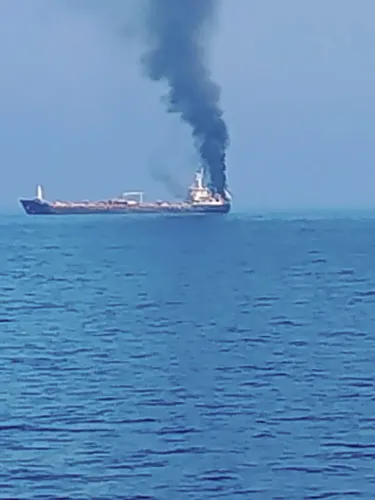
Iranian cruise missiles hit UAE tankers Mombasa and Al Bahiyah in the Strait of Hormuz , in Omani territorial waters.
One Indian sailor was killed and six others were injured in the attack.
The Indian Embassy in the UAE confirmed it is coordinating with local authorities for the injured and their families.
The UAE Ministry of Defence condemned the strike as a 'serious violation of international law' and reserved the right to respond.
India on Tuesday, 14 July summoned senior Iranian diplomats, including Deputy Chief of Mission Mohammad Javad Hosseini, after an Iranian missile strike on UAE oil tankers in the Strait of Hormuz killed one Indian sailor and injured six others. The Ministry of External Affairs (MEA) moved swiftly after the attack, which struck two vessels in Omani territorial waters and triggered fires aboard both ships.
What Happened in the Strait of Hormuz
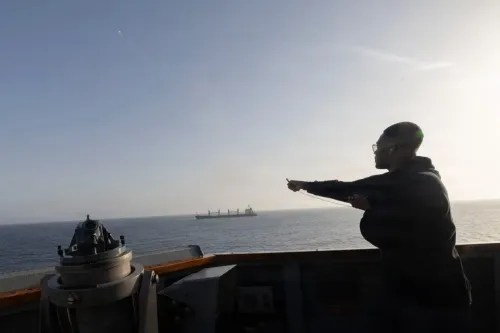
Two UAE merchant tankers — Mombasa and Al Bahiyah — were struck by Iranian cruise missiles while transiting the southern passage of the Strait of Hormuz. The strikes caused fires on both vessels, though the UAE Ministry of Defence confirmed the fires were subsequently brought under control. Material damage to both tankers was also reported.
One Indian seafarer was killed in the attack, and six others sustained injuries. The incident marks a sharp escalation in tensions along one of the world's most strategically critical maritime chokepoints, through which roughly 20% of global oil supplies pass.
India's Diplomatic Response
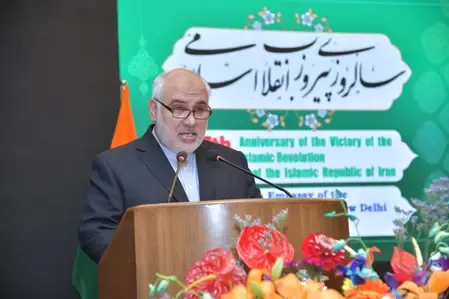
The MEA summoned the Iranian diplomatic mission in New Delhi, with DCM Hosseini called in to receive India's formal protest. This is among the most direct diplomatic actions New Delhi has taken against Tehran in recent memory, reflecting the gravity with which the government views attacks on Indian nationals at sea.
The Indian Embassy in the UAE also issued a statement on X, expressing condolences and confirming active coordination with local authorities. 'We condole the tragic loss of an Indian seafarer in the attacks on two vessels, Al Bahiyah and Mombasa B. We are closely monitoring the situation and are in touch with the local authorities to render all possible assistance to the injured and families,' the Embassy said.
UAE Condemns Attack, Reserves Right to Respond
The UAE Ministry of Defence issued a strong condemnation, describing the strike as 'a serious violation of international law that threatens regional security and stability.' The ministry stated that the UAE reserves the full right to respond to the escalation and will take all necessary measures to protect its territory, people, residents, national interests, and strategic assets.
The ministry also urged the public to rely solely on official sources and avoid spreading unverified information, signalling a tightly managed information environment as the situation develops.
Context and What Comes Next
The attack comes amid longstanding tensions in the Persian Gulf over maritime security, sanctions enforcement, and Iran's nuclear programme. The Strait of Hormuz has been the site of repeated incidents involving tanker seizures and drone strikes in recent years. Notably, this is one of the most severe incidents involving Indian nationals in the region, raising questions about crew safety protocols on vessels transiting high-risk corridors.
India has significant interests in Gulf stability — the region hosts an estimated 9 million Indian nationals and accounts for a substantial share of India's energy imports. New Delhi is expected to press for accountability through diplomatic channels while continuing to monitor the safety of Indian workers across the UAE and the broader Gulf.
Point of View
A country it has carefully balanced against its Gulf Arab partnerships and energy needs. The death of an Indian sailor in a missile strike — not a piracy incident or accident — makes diplomatic silence untenable. Yet the real test is what follows the summoning: India has rarely followed such gestures with sustained pressure on Tehran. With 9 million Indians in the Gulf and a heavy dependence on Hormuz-transiting crude, New Delhi has more at stake in Strait security than almost any non-regional power — and that leverage, if used, could make India a consequential voice in de-escalation. So far, it has not played that card.
NationPress
12 Oct 2026
Frequently Asked Questions
Why did India summon the Iranian diplomat on 14 July?
India summoned Iranian Deputy Chief of Mission Mohammad Javad Hosseini after Iranian cruise missiles struck two UAE tankers in the Strait of Hormuz, killing one Indian sailor and injuring six others. The Ministry of External Affairs conveyed India's formal protest over the attack.
Which vessels were attacked in the Strait of Hormuz?
The two UAE oil tankers struck were the Mombasa and Al Bahiyah. Both were hit while transiting the southern passage of the Strait of Hormuz in Omani territorial waters, causing fires and material damage to both ships.
How many Indians were affected in the Hormuz attack?
One Indian seafarer was killed and six others were injured in the Iranian missile strike on the UAE tankers on 14 July. The Indian Embassy in the UAE confirmed it is in contact with local authorities to assist the injured and their families.
What did the UAE say about the attack?
The UAE Ministry of Defence condemned the strike as a serious violation of international law threatening regional security and stability. It stated that the UAE reserves the full right to respond and will take all necessary measures to protect its territory and national interests.
What is India's stake in Strait of Hormuz security?
The Strait of Hormuz is a critical corridor for India's energy imports, with a significant share of its crude oil transiting the waterway. India also has an estimated 9 million nationals living and working across Gulf countries, making stability in the region a core national interest.