India at UNSC condemns Hormuz shipping attacks, urges free navigation
Synopsis
India took an unusually pointed stance at the UNSC, implicitly calling out Iran over Hormuz shipping attacks without naming it — invoking UNSC Resolution 2817 and citing the deaths of at least three Indian sailors. With 10 million Indians in the Gulf and critical energy supply chains at stake, New Delhi's message was clear: this is not a distant conflict.
Key Takeaways
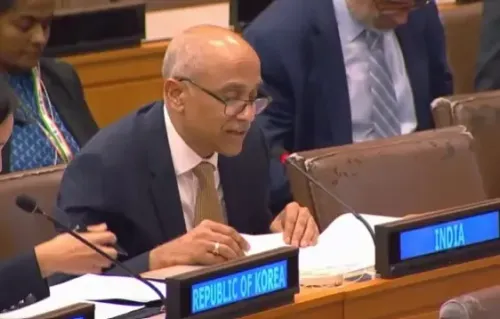
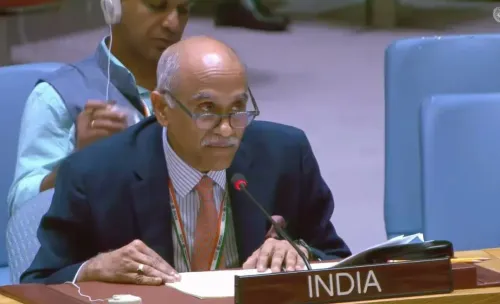
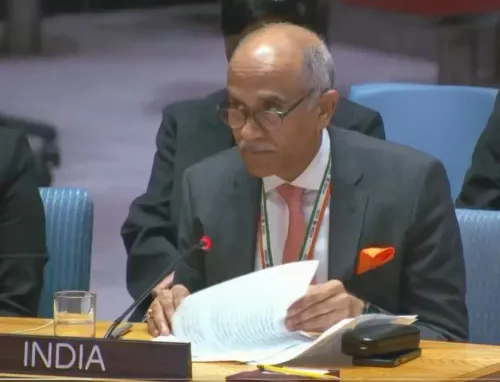
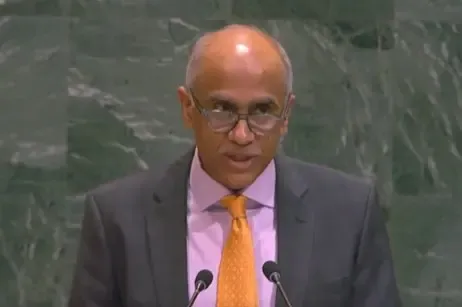
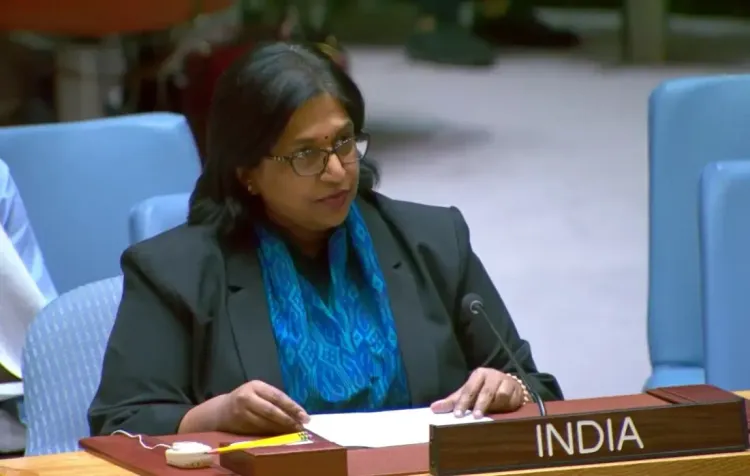
India's Deputy Permanent Representative Yojna Patel condemned attacks on commercial shipping in the Strait of Hormuz at the UNSC on Tuesday, 29 April .
India co-sponsored UNSC Resolution 2817 , adopted on 11 March , which condemned Iran's attacks on its Middle East neighbours in the "strongest terms".
At least three Indian sailors have reportedly died in attacks on ships in the region, with Iran having targeted Indian vessels.
Almost 10 million Indians live and work in the Gulf region , making their safety a stated priority for New Delhi.
India called for dialogue and diplomacy to de-escalate tensions, describing the Middle East as its "proximate neighbourhood".
India on Tuesday condemned attacks on commercial shipping in the Strait of Hormuz at the United Nations Security Council (UNSC), calling for the immediate restoration of free navigation in a waterway critical to its energy and economic security. The statement was delivered at a Council session convened by Bahrain, the current Council President, on the situation in the Middle East.
What India Said at the Security Council
India's Deputy Permanent Representative Yojna Patel told the Security Council that commercial shipping must not be subjected to military attacks. "Commercial shipping must not be the target of military attacks, and such attempts are deplorable," Patel said, adding that targeting civilian crew members or impeding freedom of navigation in the Strait of Hormuz is "unacceptable".
Patel did not name any country directly but pointedly recalled India's co-sponsorship of UNSC Resolution 2817, adopted on 11 March, which condemned in the "strongest terms" Tehran's attacks on its Middle East neighbours. The resolution was originally brought by Bahrain. The reference was widely read as an implicit indictment of Iran.
India's Strategic Stakes in the Hormuz Strait
The Strait of Hormuz is one of the world's most critical maritime chokepoints, through which a significant share of global oil trade passes. For India, unimpeded passage through the Strait is directly linked to energy supply chains and bilateral trade with Gulf nations. Patel underscored that the Strait provides India with "vital connectivity to a region with which its trade and energy supply chains are linked through geography, with implications for economy and energy security."
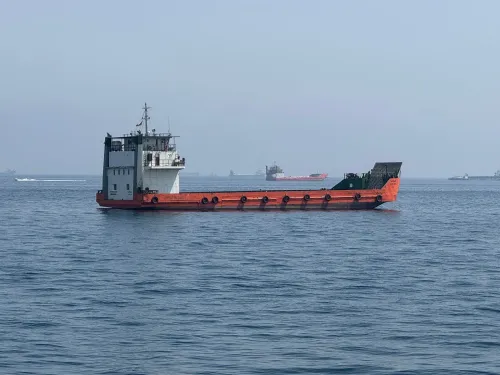
Notably, Iran has previously attacked Indian ships and a vessel bound for India. In assaults on ships of multiple countries in the region, at least three Indian sailors have reportedly died. The United States has also established a blockade in the Hormuz region, further complicating the maritime security landscape.
Indian Diaspora and Gulf Security
Patel highlighted a deeply human dimension to India's concern, noting that almost 10 million Indians live and work in the Gulf region. "Their safety and well-being are a key priority for us," she said. This diaspora represents one of the largest overseas Indian communities globally, and remittances from the Gulf form a significant pillar of India's economy.
Call for Diplomacy and De-escalation
India called for dialogue and diplomacy to reduce tensions in the Gulf. "The Middle East is our proximate neighbourhood, and we have significant stakes in the security and stability of the region," Patel said. This comes amid a broader pattern of India asserting a more active voice at multilateral forums on issues directly affecting its strategic interests, while carefully avoiding direct bilateral confrontation in public statements. The Council session reflects growing international pressure to address the deteriorating maritime security situation in one of the world's most consequential shipping corridors.
Point of View
But the careful language preserves diplomatic room. What mainstream coverage may underplay is the compounding pressure on India: three sailors dead, ships attacked, 10 million nationals in the region, and a US blockade reshaping Hormuz dynamics simultaneously. India's energy import dependency means this is not a geopolitical abstraction — every disrupted tanker is a domestic inflation risk. The real question is whether verbal condemnation at the UNSC, however pointed, translates into any shift in India's bilateral posture toward Tehran.
NationPress
19 Sept 2026
Frequently Asked Questions
What did India say at the UNSC about the Strait of Hormuz attacks?
India condemned attacks on commercial shipping in the Strait of Hormuz as "deplorable" and called for the restoration of free navigation. Deputy Permanent Representative Yojna Patel said targeting civilian crew members or impeding freedom of navigation in the Strait is "unacceptable".
Which UNSC resolution did India co-sponsor regarding Iran?
India co-sponsored UNSC Resolution 2817, adopted on 11 March, which condemned Iran's attacks on its Middle East neighbours in the "strongest terms". The resolution was originally brought by Bahrain.
How many Indian sailors have died in Hormuz region attacks?
According to available reports, at least three Indian sailors have died in attacks on ships in the region. Iran has also attacked Indian ships and a vessel bound for India.
Why is the Strait of Hormuz critical for India?
The Strait of Hormuz is a vital maritime corridor for India's energy imports and trade with Gulf nations. India also has nearly 10 million nationals living and working in the Gulf region, making the security of the waterway a direct economic and humanitarian concern.
What is the current security situation in the Strait of Hormuz?
The situation remains tense, with Iran having carried out attacks on commercial vessels and the United States having established a blockade in the region. India has called for dialogue and diplomacy to de-escalate tensions in what it describes as its "proximate neighbourhood".