Is the ISI Using American Relations to Bring Azhar and Saeed Out of Hiding?
Synopsis
The ISI's efforts to exploit renewed US ties to coax terrorists out of hiding are raising eyebrows. As the leaders of Jaish-e-Mohammad and Lashkar-e-Taiba consider returning to action, the implications for regional security are significant. Can India maintain its vigilance against potential threats?
Key Takeaways
ISI is leveraging US ties to revive terrorism.
Operation Sindoor caused significant setbacks for terror groups .
Leaders like Azhar and Saeed are being urged to return to public life.
India remains vigilant against potential threats.
ISIs promises to terror leaders may lack substance.
New Delhi, Nov 5 (NationPress) The ISI and Pakistan army are leveraging their strengthened relationship with the United States to coax terrorists out of seclusion and recommence their terror activities.
Several terrorist factions, notably the Jaish-e-Mohammad (JeM) and Lashkar-e-Taiba (LeT), had gone silent following Operation Sindoor.
In the wake of Operation Sindoor, the JeM, LeT, and Hizbul Mujahideen suffered significant setbacks as their bases and training facilities were obliterated.
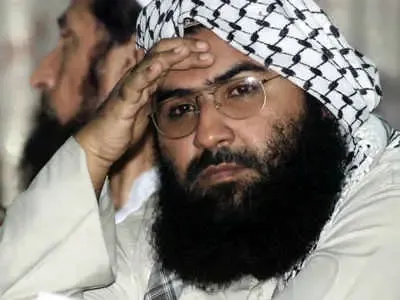
Officials from the Intelligence Bureau report that terrorist leaders like Mazood Azhar and Hafiz Saeed have largely stayed indoors, fearing strikes from India or elimination by rivals. These leaders were also disheartened by their inability to communicate effectively with their followers. Moreover, they expressed dissatisfaction with the ISI and the army, feeling these institutions failed to safeguard their personnel, infrastructure, and families.
While Pakistan has not succeeded in its previous wars with India, Operation Sindoor had a uniquely profound effect on both the Pakistani establishment and the terrorist organizations. The precision of the operation caught the entire Pakistani apparatus off guard.
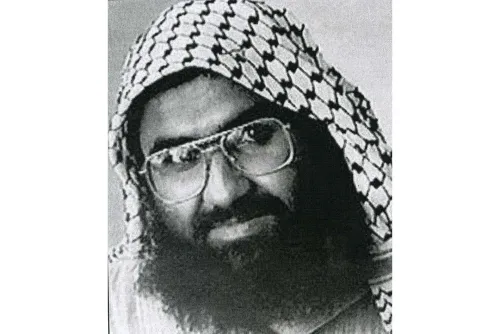
The ISI is currently in a state of damage control, recognizing that operations of these terror groups hinge on their leaders appearing publicly. The organization previously circulated old footage of Azhar and Saeed, misleadingly presented as new, but cadre members began to question this tactic.
Consequently, the army and ISI contacted the two leaders, assuring them that they could return to public life and initiate operations, citing the strong US-Pakistan ties as a protective measure. Azhar and Saeed held separate discussions with ISI officials at their military-secured residences in Lahore.
The ISI played the American card to secure the cooperation of these leaders, assuring them that India would refrain from any offensive actions against Pakistan, and that should such an event occur, the US would intervene—a scenario that New Delhi would prefer to avoid.
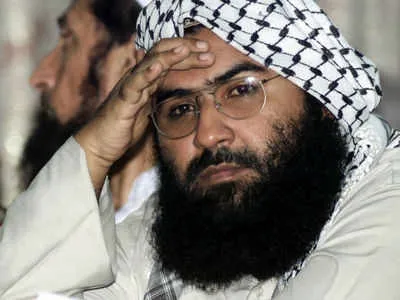
While both leaders seem to have consented for the moment, only Azhar has made a fleeting public appearance. Channels associated with JeM are now active with communications from Azhar, calling on cadre members to reignite conflict in Jammu and Kashmir. Additionally, the Jaish-e-Mohammad is establishing a women's division, to be led by Azhar's sister, Sadiya Azhar.
Despite the ISI's assurances to the terror leaders, officials assert that these promises lack substance. India will respond similarly to any aggression from Pakistan, regardless of any external support Pakistan might seek in a situation akin to Operation Indoor. India has made it clear that any act of terrorism will be viewed as an act of war, entitling the nation to defend itself without being the aggressor.
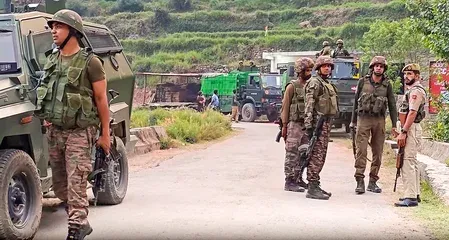
Meanwhile, Indian agencies continue to monitor border areas and the activities of these terrorist groups within the country. The army is vigilant along the borders to thwart any infiltration attempts. There are currently over 80 terrorists poised at launch pads in Pakistan-occupied Kashmir (PoK). In recent months, multiple infiltration attempts have been thwarted by the Indian armed forces.
Heightened vigilance will persist as the potential return of these leaders to full operational status could significantly boost the morale of waiting terrorists.
Point of View
The situation underscores the challenges India faces in countering terrorism. While the ISI attempts to maneuver through international relations, India remains resolute in its commitment to national security. Vigilance and preparedness are paramount as we continue to monitor developments closely.
NationPress
1 Oct 2026
Frequently Asked Questions
What is Operation Sindoor?
Operation Sindoor was a military operation that targeted terrorist bases in Pakistan, resulting in significant losses for groups like JeM and LeT.
Who are Mazood Azhar and Hafiz Saeed?
Mazood Azhar and Hafiz Saeed are prominent leaders of terrorist organizations in Pakistan, namely Jaish-e-Mohammad and Lashkar-e-Taiba, respectively.
How does the US-Pakistan relationship affect terrorism?
The improved US-Pakistan relationship is being exploited by the ISI to encourage terrorist leaders to emerge from hiding, impacting regional security.
What measures is India taking against potential terrorist threats?
India is closely monitoring border areas and thwarting infiltration attempts to prevent any resurgence of terrorism.
What implications does the return of these leaders have?
The return of Azhar and Saeed could significantly boost the morale of waiting terrorists, posing a serious threat to regional stability.