Who is the Islamabad Bomber Identified as a Peshawar Resident and Trained in Afghanistan?
Synopsis
The shocking revelation of the Islamabad bomber's identity raises crucial questions about the implications of militant training and the intricate web of terrorism in the region. This tragic incident underscores the pressing need for comprehensive security measures.
Key Takeaways
The suspected bomber is a Peshawar resident.
Allegations of militant training in Afghanistan have surfaced.
At least 31 people lost their lives in the attack.
Authorities are investigating possible links to ISKP.
The incident has prompted international condemnation.
Islamabad, Feb 7 (NationPress) As investigators probe the events surrounding the tragic suicide bombing at Islamabad’s Imambargah Khadijah al-Kubra, authorities have pinpointed the suspected perpetrator as a Peshawar local, who purportedly received militant training in Afghanistan, according to local media reports on Saturday.
Preliminary insights shared by investigative sources indicate that the attacker, recognized as Yasir Khan, allegedly spent around five months in Afghanistan before returning to Pakistan, as reported by the Pakistani daily The Express Tribune.
Authorities are also examining possible links between the suspect and the Islamic State Khorasan Province (ISKP). However, officials have emphasized that the investigation remains in its early stages, and no conclusive findings have been made.
Sources have suggested that Yasir Khan, who aligns with the Salafi school of thought, is believed to have undergone militant training during his time across the border.
“He trained at the Mansoor Istashhadi training center in Afghanistan’s northeastern Kunar province and made several trips to and from the country,” sources disclosed to The Express Tribune.
Authorities are focused on unraveling the broader network that may have supported the attack, including identifying potential handlers, logistical supporters, and any domestic or cross-border connections that could have facilitated the operation.
The Minister of State for Interior, Talal Chaudhry, confirmed that the bomber's identity had been established through forensic analysis of his remains.
“He is not an Afghan citizen, but forensic examination of his remains has revealed details about his travel history to Afghanistan,” he stated.
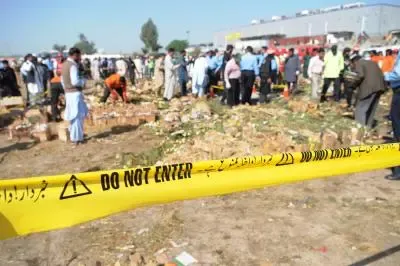
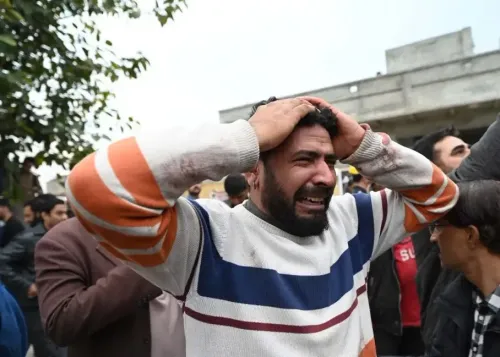
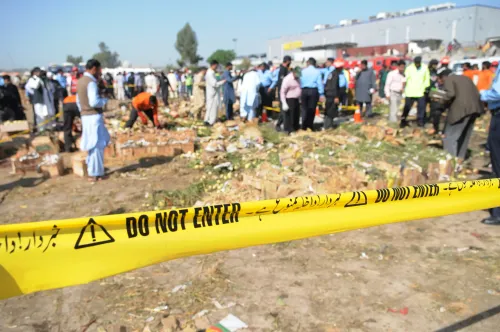
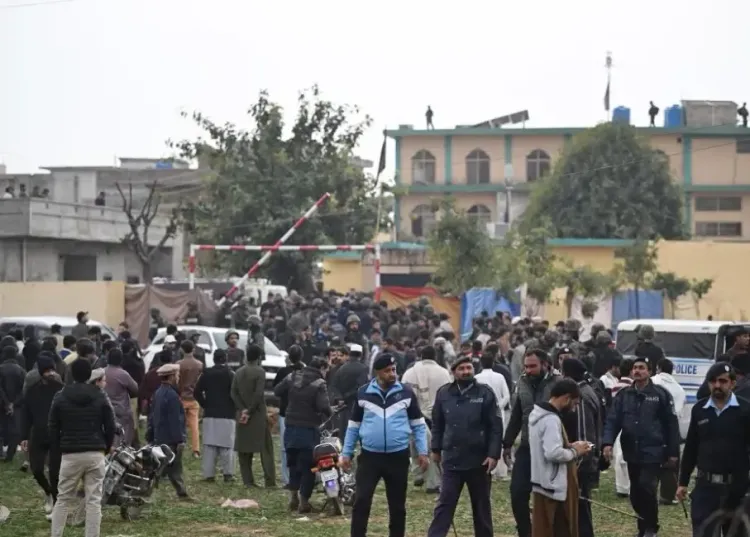
The explosion at the Khadija Tul Kubra mosque, situated in Islamabad’s Tarlai Kalan area, claimed the lives of at least 31 individuals and left 169 others injured during Friday prayers, according to local officials.
Witnesses reported hearing gunfire just before the explosion, after which the bomber detonated his explosives amid a large gathering of worshippers.
Hospitals across Islamabad activated emergency protocols as rescue teams transported the injured to medical facilities, with several individuals reported to be in critical condition.
Pakistan quickly attributed the attack to external forces; however, innocent citizens of the nation have repeatedly faced the consequences of domestic terrorism.
The attack has garnered widespread condemnation from the international community, with multiple calls for a thorough investigation into the incident. Diplomatic sources have indicated that while the situation has not immediately escalated tensions, it underscores the precarious security landscape in South Asia.
India also vehemently condemned the suicide bombing at the Shia mosque in Islamabad, expressing condolences to the victims’ families while dismissing Pakistan’s allegations as “baseless” and an attempt to divert attention from its internal issues.
Point of View
It's vital to prioritize a comprehensive approach to counter-terrorism. The ongoing investigation must uncover the roots of this attack and address the underlying issues to prevent future incidents. Our commitment is to the safety and security of our citizens, and we must remain vigilant.
NationPress
19 Sept 2026
Frequently Asked Questions
What was the identity of the Islamabad bomber?
The suspected bomber has been identified as Yasir Khan, a resident of Peshawar who allegedly received militant training in Afghanistan.
How many casualties were reported from the bombing?
The explosion at the Khadija Tul Kubra mosque resulted in at least 31 fatalities and injured 169 individuals.
What connections are being explored regarding the attacker?
Investigators are looking into potential links between Yasir Khan and the Islamic State Khorasan Province (ISKP).
What measures are being taken in response to the attack?
Authorities are focused on identifying the broader network that may have facilitated the attack, including potential handlers and supporters.
How has the international community reacted to the bombing?
The attack has drawn widespread condemnation, with calls for a thorough investigation into the incident.