UNRWA begins evacuating Jerusalem compound after Israel bans agency
Synopsis
Israel has moved from legislation to enforcement — UNRWA's Kafr Aqab compound in Jerusalem is now being evacuated under Netanyahu's direct order. With simultaneous warnings to Hamas over drone and balloon launches, and new working groups on Gaza disarmament, Israel is tightening its grip on multiple fronts simultaneously, raising urgent questions about humanitarian access in the region.
Key Takeaways
UNRWA began evacuating its compound in Kafr Aqab, Jerusalem on 25 August under a directive from Prime Minister Benjamin Netanyahu .
Israel passed a law barring UNRWA from operating on its territory, citing alleged staff involvement in the October 7 attacks.
Israel simultaneously warned Hamas that continued drone, balloon, and kite launches from Gaza would trigger increased IDF targeted strikes.
The warning followed a situational assessment attended by Chief of the General Staff Lt Gen Eyal Zamir and senior IDF officials.
Israel and the Board of Peace agreed to form two working groups — on Gaza disarmament and on public health and sanitation — with disarmament required before any reconstruction begins.
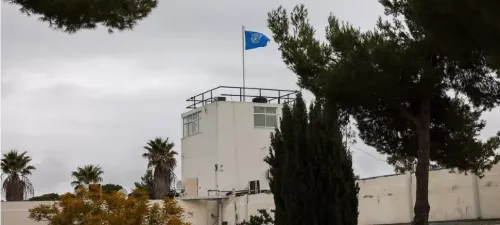
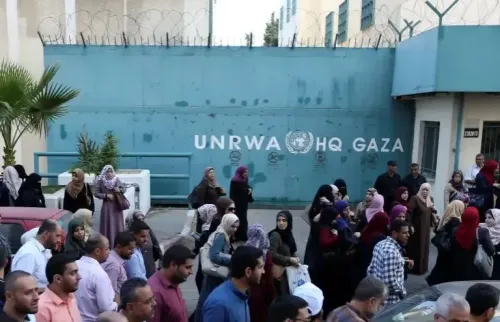
The United Nations Relief and Works Agency (UNRWA) on Tuesday, 25 August began evacuating its compound in Kafr Aqab, Jerusalem, following a law passed by Israel that effectively bars the agency from operating on Israeli territory, the Israeli Prime Minister's Office (PMO) confirmed. The move marks a significant escalation in Israel's months-long effort to expel UNRWA from its jurisdiction.
Netanyahu's Directive
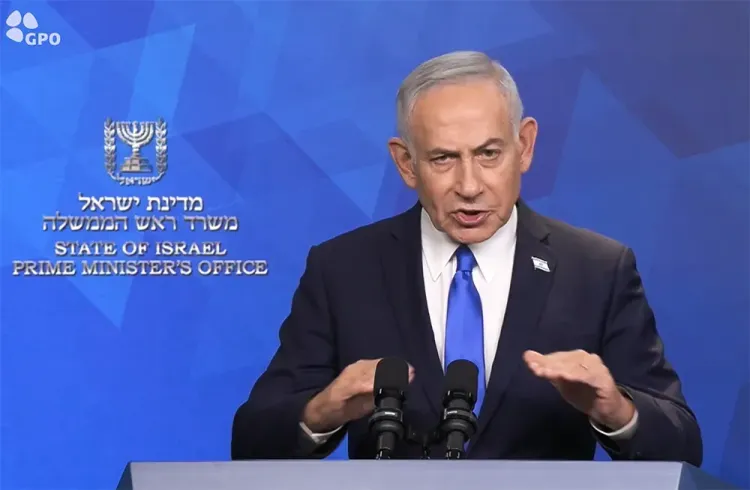
Israeli Prime Minister Benjamin Netanyahu confirmed the evacuation in a statement, saying it was carried out under his direct orders. 'In accordance with my directive and following the law we passed, the evacuation of the UNRWA compound in Kafr Aqab, Jerusalem, began today,' Netanyahu said. 'The State of Israel will not allow an organisation whose employees were complicit in terrorism and the October 7 massacre to operate within its territory, and will act against it by all means at its disposal,' he added.
Israel has long accused UNRWA of harbouring staff with links to militant groups — allegations the agency has disputed. The legislation formalising the ban came into effect earlier this year, setting the stage for Tuesday's evacuation.
Simultaneous Warning to Hamas Over Balloon and Drone Launches
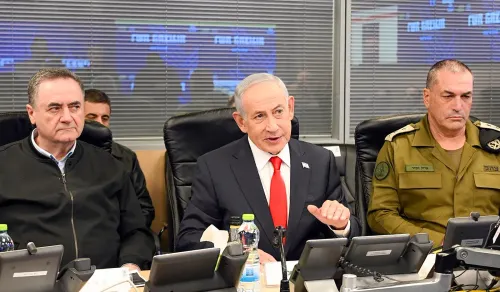
Separately, on Sunday, Netanyahu and Defence Minister Israel Katz convened a situational assessment focused on the threat posed by drones, balloons, and kites launched from the Gaza Strip toward Israeli communities. The session was attended by Chief of the General Staff Lieutenant General Eyal Zamir, the Head of the National Security Council, and senior Israeli Defence Force (IDF) officials.
A joint statement issued after the meeting warned Hamas that continued launches would trigger an escalated military response. 'Israel warns Hamas that if the launches toward Israel do not cease immediately, the IDF will act to increase targeted strikes against those responsible for the launches and will evacuate the population from areas used as launch sites for kites, drones, and balloons,' the statement said.
Netanyahu also reiterated a broader policy position: 'The Prime Minister clarified that there will be no return to the state of affairs prior to October 7. Israel will not allow the Hamas terrorist organisation or any other element in the Gaza Strip to threaten our communities again and compromise our citizens' sense of security,' the statement added.
Working Groups on Gaza Disarmament and Reconstruction
Last week, the Israeli PMO announced that Netanyahu and the Board of Peace had agreed to form two working groups — one focused on the disarmament and demilitarisation of Gaza, and another on sanitation, clean water, and public health for Gaza's population. The PMO stated that both Israel and the Board of Peace are 'determined' that disarmament be completed before any reconstruction in Gaza begins.
'The Prime Minister and Board of Peace had deep and constructive discussions,' the PMO said in a post on social media platform X. 'It was agreed to establish two working groups, one on disarmament and demilitarisation of Gaza... A second working group will focus on sanitation, clean water and other public health issues for the people of Gaza, which also impact the people of Israel.'
Broader Context
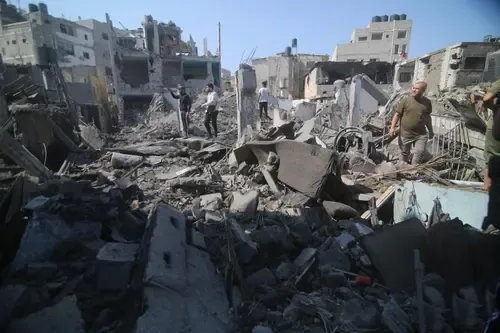
The Kafr Aqab evacuation is the most concrete enforcement action Israel has taken since the anti-UNRWA legislation passed. The agency has been a primary conduit for humanitarian aid in Gaza, and its removal from Israeli territory raises questions about the delivery of relief to Palestinian civilians. International bodies, including the United Nations, have previously warned that shutting UNRWA down would create a humanitarian vacuum with no viable replacement. How the international community responds to Tuesday's evacuation is likely to shape the next phase of diplomatic pressure on Israel.
Point of View
A step that significantly raises the diplomatic stakes. UNRWA remains the backbone of humanitarian logistics in Gaza; dismantling its infrastructure in Israeli-controlled areas without a credible alternative in place risks accelerating a humanitarian crisis that the international community has struggled to manage even with the agency intact. The simultaneous warning to Hamas over balloon launches signals that Israel is managing multiple pressure levers at once — but the convergence of a humanitarian squeeze and an escalating military posture leaves little room for the kind of de-escalation that a Gaza reconstruction framework would actually require.
NationPress
10 Oct 2026
Frequently Asked Questions
Why is Israel evacuating the UNRWA compound in Jerusalem?
Israel is evacuating the UNRWA compound in Kafr Aqab, Jerusalem, following a law it passed that bars UNRWA from operating on Israeli territory. Prime Minister Netanyahu justified the move by alleging that UNRWA employees were complicit in the October 7 attacks, claims UNRWA has previously disputed.
What is UNRWA and why does it matter?
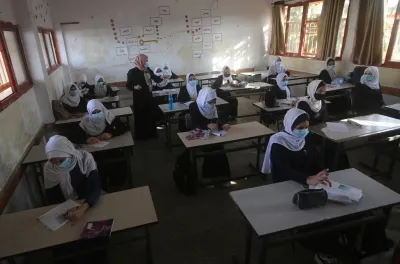
UNRWA, the United Nations Relief and Works Agency, is the primary UN body providing humanitarian aid — including food, healthcare, and education — to Palestinian refugees. Its removal from Israeli jurisdiction raises concerns about the continuity of humanitarian operations, particularly in Gaza.
What warning did Israel issue to Hamas alongside the UNRWA evacuation?
On Sunday, Netanyahu and Defence Minister Israel Katz warned Hamas that if drone, balloon, and kite launches from Gaza toward Israel do not stop immediately, the IDF will escalate targeted strikes against those responsible and evacuate populations from areas used as launch sites.
What are the new working groups on Gaza that Israel announced?
Israel and the Board of Peace agreed to form two working groups: one focused on the disarmament and demilitarisation of Gaza — which both sides say must be completed before reconstruction begins — and a second on sanitation, clean water, and public health for Gaza's population.
What happens next following the UNRWA evacuation?
The evacuation is expected to intensify international scrutiny of Israel's humanitarian policy in Gaza. The UN and other bodies are likely to respond diplomatically, while the timeline for the newly formed disarmament and public health working groups will be closely watched as indicators of whether a broader Gaza settlement framework is viable.