Did the Israeli army target Hezbollah sites in Lebanon?
Synopsis
On December 22, the Israeli military launched airstrikes in southern Lebanon, specifically targeting Hezbollah sites. This event follows ongoing discussions regarding Hezbollah's disarmament and the return of displaced residents to their homes. The situation signals continued tension and military action in the region as both sides navigate complex security challenges.
Key Takeaways
Israeli airstrikes targeted Hezbollah sites in southern Lebanon.
Discussions continue on disarming Hezbollah and humanitarian issues.
Ceasefire agreement has been ongoing since November 2024.
Recent airstrikes resulted in the deaths of Hezbollah members.
Military actions may affect regional stability.
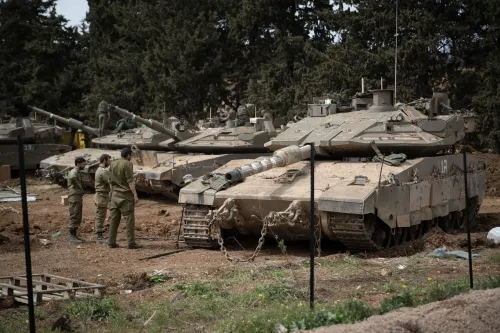
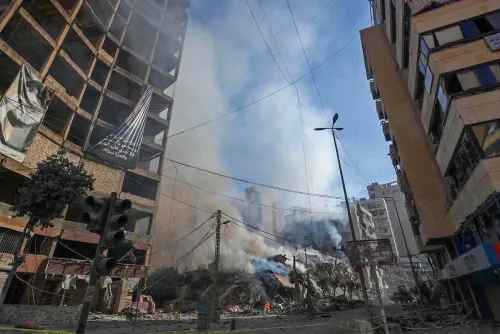
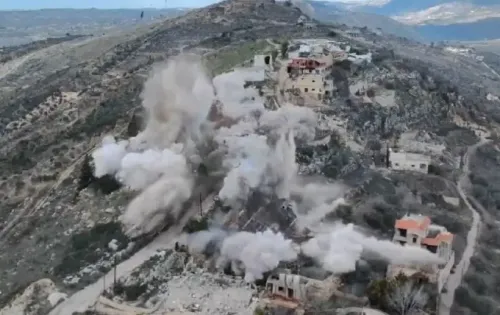
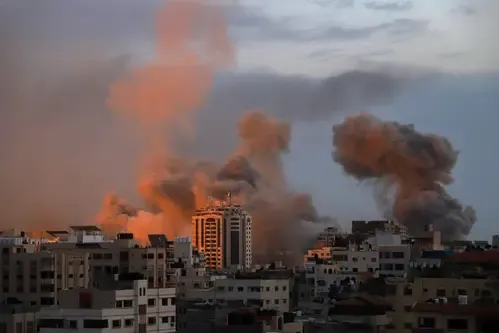
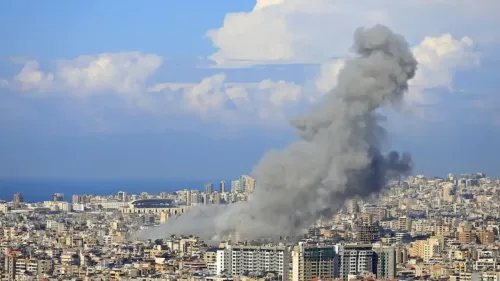
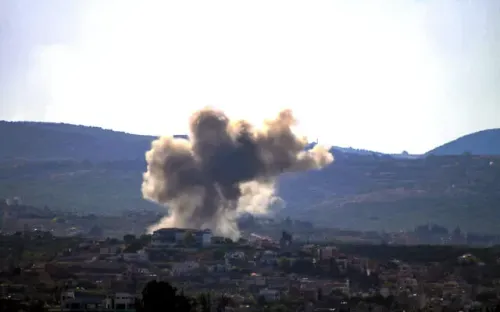
Jerusalem, Dec 22 (NationPress) The Israeli military conducted airstrikes in southern Lebanon on Monday, asserting that it aimed at Hezbollah's positions.
"The IDF (Israel Defence Forces) engaged several Hezbollah operatives near Sidon in southern Lebanon," a military spokesperson stated.
On Friday, discussions resumed between the two parties as part of a security dialogue, concentrating on Hezbollah's disarmament and facilitating the return of residents to their homes in Lebanon's southern border villages, as reported by Israeli and Lebanese sources.
This meeting, organized with US coordination, occurred in Naqoura, located in southwest Lebanon, close to Israel's northern border, as reported by Xinhua news agency. The Israeli delegation was led by Yosef Dreznin, Deputy Director for Foreign Policy at the National Security Council, while the Lebanese delegation was headed by Simon Karam, the former ambassador to the United States.
An Israeli statement indicated that the discussions focused on Hezbollah's disarmament and the progression of economic projects, underscoring a shared interest in countering Hezbollah and ensuring prolonged security for communities on both sides of the border.
A statement from the Lebanese presidency noted that during the discussions, Karam emphasized Lebanon's strong stance on the humanitarian and national necessity of enabling displaced villagers to return safely to their homes.
A ceasefire agreement between Hezbollah and Israel has been effective since November 27, 2024; however, Israel has persisted in executing sporadic strikes aimed at neutralizing Hezbollah threats.
Earlier this month, Israel and Lebanon engaged in their first direct discussions in Naqoura, which Israeli Prime Minister Benjamin Netanyahu described as "a preliminary effort to establish the foundation for relations and economic cooperation between Israel and Lebanon."
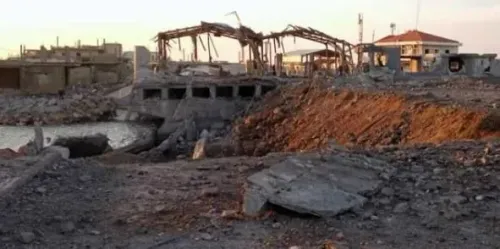
On December 14, Israeli drone strikes in southern Lebanon resulted in the deaths of three Hezbollah members, along with another individual sustaining injuries, according to Lebanese officials and security sources.
Lebanon's state-run National News Agency reported that an Israeli drone targeted a motorcycle in the village of Yater in the Bint Jbeil district, resulting in one fatality and another injury. A second drone strike hit a vehicle between the towns of Safad al-Battikh and Baraachit in the same district, killing one person. A third individual was killed in an Israeli airstrike on a car in the village of Jouaiyya, as per the agency's report.
A Lebanese security source confirmed that all three fatalities were associated with Hezbollah. The Israeli military claimed it had targeted three Hezbollah militants across various locations in southern Lebanon.
"These militants were engaged in efforts to reestablish Hezbollah's terrorist infrastructure, which violates the agreements between Israel and Lebanon," it stated, referencing a ceasefire that commenced in November 2024.
Point of View
It's crucial to recognize the gravity of the ongoing conflict between Israel and Hezbollah. The recent airstrikes highlight the persistent tensions and the complexities involved in achieving lasting peace. While discussions are underway, the need for a sustainable solution that addresses both security and humanitarian concerns remains paramount.
NationPress
20 Sept 2026
Frequently Asked Questions
What triggered the Israeli airstrikes in Lebanon?
The Israeli airstrikes were conducted to target Hezbollah sites, which Israel claims pose a threat to its security.
Are there ongoing talks between Israel and Lebanon?
Yes, recent discussions focused on Hezbollah's disarmament and the safe return of displaced residents to their homes.
What is the current status of the ceasefire between Israel and Hezbollah?
A ceasefire agreement has been in place since November 27, 2024, although Israel continues to conduct strikes in response to perceived threats.
How has Hezbollah responded to the airstrikes?
Hezbollah has not officially commented on the latest airstrikes, but they have previously condemned Israeli military actions.
What are the implications of this military action?
The airstrikes may escalate tensions further in the region and complicate ongoing diplomatic efforts aimed at achieving lasting peace.