Israeli military chief Eyal Zamir secretly visited UAE during Iran war
Synopsis
Israel's military chief, intelligence heads, and reportedly Prime Minister Netanyahu all made covert visits to the UAE while the country was at war with Iran — a revelation that exposes the depth of back-channel security coordination between the two Abraham Accords partners, even as the UAE publicly denied Netanyahu's trip.
Key Takeaways
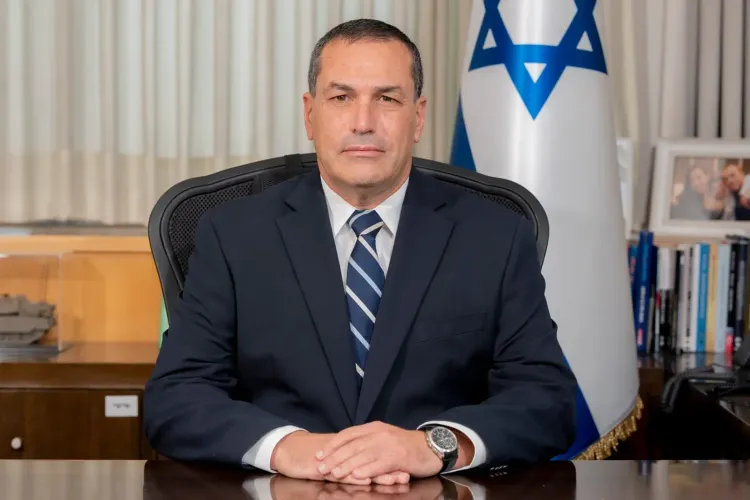
Israeli military chief Eyal Zamir secretly visited the UAE during the Israel-Iran war , which ran from 28 February to the 8 April ceasefire, according to Kan TV News .
Zamir met with UAE President Sheikh Mohamed bin Zayed Al Nahyan and senior Emirati security officials during the visit.
Prime Minister Benjamin Netanyahu's office confirmed he also made a secret visit to the UAE during the war; the UAE Ministry of Foreign Affairs denied it.
Mossad chief David Barnea and Shin Bet head David Zini were also reportedly among those who secretly visited the UAE during the conflict.
Israeli state media described the visits as indicative of a significant strengthening of Israel-UAE ties under the Abraham Accords framework.
Israeli military chief Eyal Zamir and several senior officers covertly travelled to the United Arab Emirates (UAE) during Israel's recent war with Iran, according to Israel's state-owned Kan TV News, which reported the development on Friday, 15 May. The visit, unannounced at the time, signals a deepening of the security relationship between the two Abraham Accords partners at a moment of acute regional tension.
What Kan TV Reported
According to Kan TV News, Zamir held meetings with UAE President Sheikh Mohamed bin Zayed Al Nahyan and senior Emirati security officials during the trip. The channel did not specify the exact date of the visit. The war between Israel and Iran broke out on 28 February and lasted until a ceasefire came into effect on 8 April.
Netanyahu's Disputed Visit
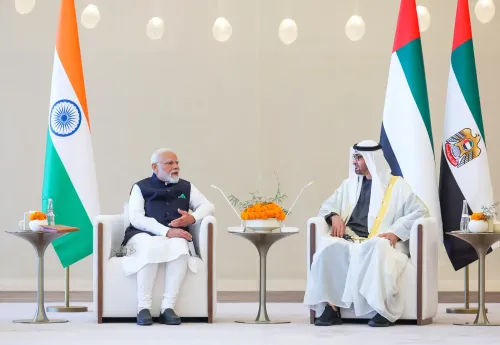
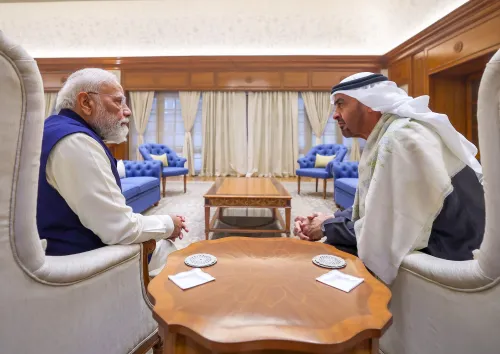
The disclosure follows a separate announcement on Wednesday by the office of Israeli Prime Minister Benjamin Netanyahu, which confirmed that he too had secretly visited the UAE during the war and met with the UAE President. However, the UAE Ministry of Foreign Affairs denied that Netanyahu had visited the country — a rare public contradiction between the two Abraham Accords partners that underscores the diplomatic sensitivity of the reported engagements.
Intelligence Chiefs Also Reportedly Visited
Earlier media reports indicated that the chief of Israel's Mossad intelligence agency, David Barnea, and the head of Israel's domestic security agency Shin Bet, David Zini, had also made undisclosed visits to the UAE during the same period. Taken together, the reported trips suggest a sustained, high-level security dialogue conducted away from public scrutiny.
What the Visits Signal
Kan noted that the multiple covert visits point to a significant strengthening of ties between Israel and the UAE. Sources familiar with regional affairs, speaking on background, suggested the talks may have focused on security coordination, regional stability, economic partnerships, and the evolving geopolitical landscape across West Asia. Political commentators in Israel reportedly described the development as among the most sensitive diplomatic moves undertaken by Netanyahu in recent months.
The UAE has emerged as one of Israel's most consequential regional partners since the signing of the Abraham Accords, with trade, technology cooperation, tourism, and intelligence-sharing expanding steadily despite periodic regional unrest. That the reported discussions appear to have moved well beyond routine diplomatic engagement reflects how rapidly alliances in the Middle East are being redrawn under the pressure of the Iran conflict.
Point of View
Intelligence heads, and reportedly the prime minister — is not routine diplomacy; it is crisis-level coordination. The UAE's public denial of Netanyahu's visit is the most telling detail: it suggests Abu Dhabi is carefully managing its own domestic and regional optics while still engaging substantively with Jerusalem. The Abraham Accords have always carried a quiet security dimension that outpaces the public trade-and-tourism narrative. What these visits reveal is that the Accords' real value to both sides lies precisely in this kind of deniable, high-stakes back-channel — one that operates independently of whether the relationship is publicly acknowledged at any given moment.
NationPress
19 Sept 2026
Frequently Asked Questions
Why did Israeli military chief Eyal Zamir secretly visit the UAE?
According to Kan TV News, Zamir visited the UAE during the Israel-Iran war to meet with UAE President Sheikh Mohamed bin Zayed Al Nahyan and senior security officials. Sources suggest the talks centred on security coordination, regional stability, and the broader geopolitical situation in West Asia.
When did the Israel-Iran war take place?
The war broke out on 28 February and ended with a ceasefire on 8 April. Zamir's visit, and several other high-level Israeli visits to the UAE, reportedly took place within this window, though exact dates were not disclosed by Kan TV News.
Did Benjamin Netanyahu also secretly visit the UAE?
Netanyahu's office confirmed on Wednesday that he made a secret visit to the UAE during the war and met with the UAE President. However, the UAE Ministry of Foreign Affairs publicly denied that any such visit took place.
Which other Israeli officials reportedly visited the UAE during the war?
Earlier media reports indicated that Mossad chief David Barnea and Shin Bet director David Zini also made undisclosed visits to the UAE during the Israel-Iran conflict, alongside Zamir and, reportedly, Netanyahu.
What do these visits mean for Israel-UAE relations?
Israeli state broadcaster Kan described the visits as evidence of a deepening security partnership. The UAE has been one of Israel's most important regional allies since the Abraham Accords, with cooperation spanning trade, technology, tourism, and intelligence — and the covert wartime meetings suggest that relationship has grown significantly more strategic.