Did the Istanbul Talks Between Pakistan and Afghanistan Fail?
Synopsis
As the three-day Afghanistan-Pakistan talks in Istanbul conclude without a signed agreement, differing narratives emerge from both nations. This article delves into the complexities and underlying themes shaping the negotiations and their implications for future relations.
Key Takeaways
No joint agreement emerged from the Istanbul talks.
The TTP's presence in Afghan territory was a major point of contention.
Media narratives varied significantly between Kabul and Islamabad.
Domestic pressures influenced the negotiators' approaches.
The ceasefire remains conditional based on Afghanistan's ability to manage opposition groups.
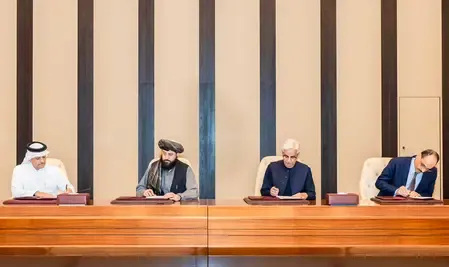
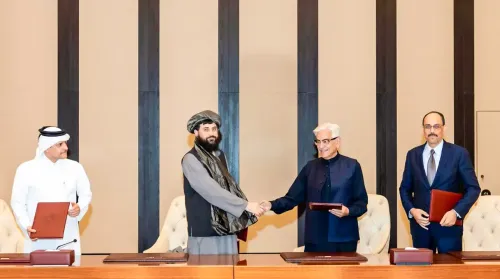
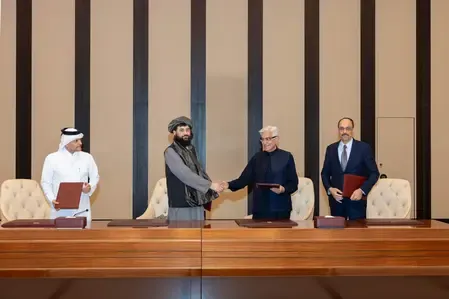
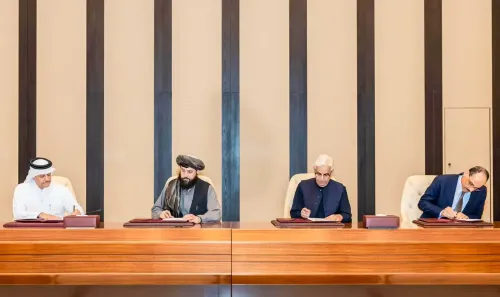
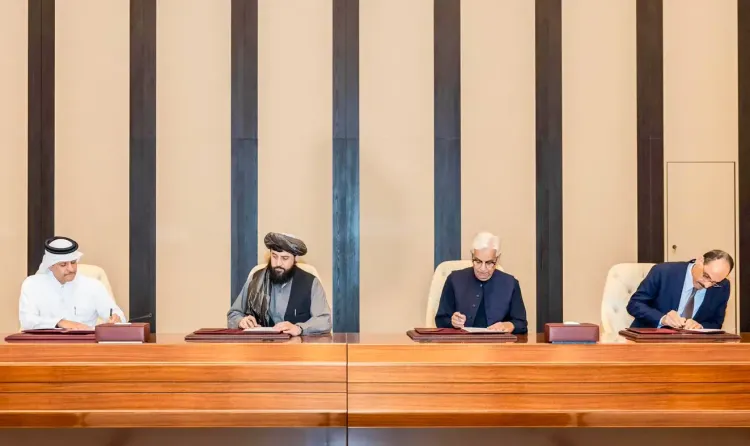
New Delhi, Oct 28 (NationPress) During the three-day follow-up discussions between Afghanistan and Pakistan in Istanbul, which were intended to execute the Doha agreement from October 18-19, reports from Kabul portrayed a cautious approach towards firm concessions. In contrast, reports from Islamabad depicted a reliance on pressure tactics in diplomacy.
Both nations framed the negotiations, facilitated by Turkiye and Qatar, as a crucial and immediate diplomatic endeavor, yet highlighted different underlying issues.
Ultimately, both narratives pointed to a shared conclusion: no joint agreement or signed document emerged from the Istanbul meetings, and the tenuous ceasefire established earlier at the Pakistan-Afghanistan border remained the sole tangible concession, accompanied by ongoing distrust.
Reports from either side referenced Pakistan's assertion of the presence of terrorist organizations on Afghan territory, with varying support or denial based on official positions.
According to Pakistan’s Dawn news, the Istanbul discussions saw many post-Doha issues mutually resolved by both parties.
However, it noted that the framework for verifiable action against alleged terrorist groups operating from Afghanistan remained contentious.
Kabul’s Tolo News highlighted Islamabad's claim that the Taliban was harboring Tehreek‑e‑Taliban Pakistan (TTP) and reported that the Pakistani delegation urged the Afghan side to concede that Islamabad “has the right to conduct operations on Afghan territory during TTP attacks.”
It further asserted that “Afghanistan made every effort for constructive dialogue and to resolve the issue, yet the Pakistani side did not seem to share this goal.”
An unnamed source indicated that “there appeared to be a lack of coordination within the Pakistani delegation, and rather than presenting coherent arguments, they seemed intent on withdrawing from the negotiations.”
The Taliban delegation reiterated their leadership’s position that the TTP is a Pakistani issue, stressing that Pakistan’s internal security is an internal matter, “while Afghanistan is committed to ensuring that its territory is not used to threaten other nations.”
The narratives also diverged regarding the role of the negotiating teams. Dawn reported that while Turkiye understood Islamabad's concerns, the Taliban was reluctant to commit. Conversely, Afghanistan’s Pajhwok claimed that “even the mediators” from Turkiye and Qatar “were taken aback and disappointed by the conduct of the Pakistani side during the discussions.”
It alleged “the leader of the Pakistani delegation, noted for his poor demeanor, requested the Afghan side to bring all groups conducting attacks in Pakistan under Afghanistan's control…”
The report added that a source remarked that “this request also surprised the mediators.”
Media reports from both countries seemed to concur that the primary reason for the anticipated breakthrough not materializing was the TTP’s presence in Afghan territory.
However, news outlets in Kabul reported the stalemate stemming from the need for verifiable action against them, while Islamabad claimed that the Taliban refused to provide written verification regarding the existence of such elements in Afghanistan.
The varying emphases shaped public perceptions in both nations, intensifying domestic pressure on negotiators to adopt more assertive stances. This tone was established at the beginning of the Istanbul talks by Pakistan's Defence Minister Khawaja Muhammad Asif, who had previously led his side in the Doha talks.
He stated that the ceasefire agreement with Afghanistan is conditional, emphasizing that it depends on Kabul’s capacity to manage opposition groups that, according to him, utilize Afghan territory to launch attacks on Pakistan.
Point of View
It's crucial to recognize the intricate dynamics at play in the Afghanistan-Pakistan negotiations. While both nations face immense pressure domestically, their divergent narratives highlight the challenges of achieving mutual understanding. It's vital to approach these discussions with a commitment to diplomacy and peace.
NationPress
2 Oct 2026
Frequently Asked Questions
What was the purpose of the Istanbul talks?
The Istanbul talks aimed to implement the Doha agreement from October 18-19, focusing on the Afghanistan-Pakistan relationship and addressing issues of mutual concern.
Why did the talks end without an agreement?
The talks concluded without a signed document due to differing stances on issues such as the presence of the TTP and lack of coordination within the delegations.
What role did Turkiye and Qatar play in the negotiations?
Turkiye and Qatar acted as mediators in the discussions, facilitating dialogue but ultimately unable to bridge the gaps between the two sides.
How did media portray the negotiations in both countries?
Media outlets in both countries highlighted the talks, but framed them differently, reflecting their respective national interests and perspectives.
What are the implications of the failed talks for future relations?
The failure to reach an agreement may lead to increased tensions and mistrust between the two nations, complicating future negotiations.