Is the US Tariff Over Greenland a Mistake, Says Italian PM?
Click to start listening
Synopsis
Italian PM Giorgia Meloni has criticized the recent US tariffs on European nations over Greenland, labeling them a 'mistake.' This perspective stems from discussions with Trump and concerns over the strategic importance of the Arctic. European leaders are uniting against what they consider coercive measures, highlighting the geopolitical stakes involved.
Key Takeaways
- Giorgia Meloni criticizes US tariffs on Europe over Greenland.
- The Arctic's strategic importance is highlighted.
- European leaders unite against perceived coercive measures.
- Concerns over international relations are raised.
- Calls for diplomatic dialogue are emphasized.
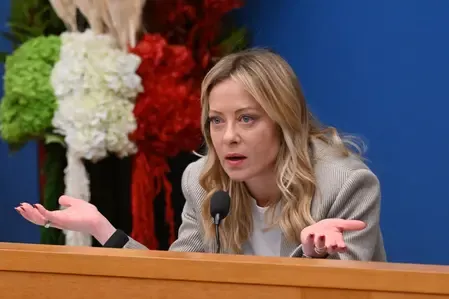
Rome, Jan 19 (NationPress) Italian Prime Minister Giorgia Meloni stated that the United States imposing tariffs on European nations regarding Greenland is "a mistake."
As reported by Italy's Rai News, Meloni expressed these views during her visit to South Korea. She mentioned engaging in discussions about the matter with US President Donald Trump and the NATO Secretary General, as noted by the Xinhua news agency.
Meloni remarked that the Arctic holds significant strategic value, and in this context, the actions of certain European nations deploying troops for security enhancements should be comprehended.
Her comments followed Trump's announcement that starting February 1, the United States would implement a 10% tariff on goods from Denmark, Norway, Sweden, France, Germany, Britain, The Netherlands, and Finland concerning Greenland, with the potential to increase the levy to 25% by June unless a deal for the purchase of the territory is made.
Greenland, the largest island globally, operates as a self-governing territory under the Kingdom of Denmark, with Copenhagen maintaining authority over defense and foreign policy while the United States has a military base on the island. Since his return to office in 2025, Trump has continually shown interest in "acquiring" Greenland.
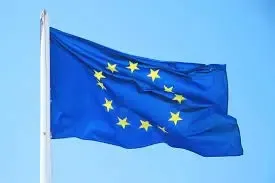
In response to Trump's tariff threats, European Council President Antonio Costa stated on X that the European Union is "prepared to defend itself against any form of coercion."
Reactions from national leaders were prompt and clear, with European officials denouncing the U.S. threats as coercive and intolerable. Dutch Foreign Minister David van Weel specifically labeled the tariffs as an act of "blackmail," urging Washington to retract the "absurd proposal" before it comes into effect. German Vice Chancellor and Finance Minister Lars Klingbeil emphasized that Berlin "must not allow itself to be intimidated," noting that "a line has been crossed."
Danish Prime Minister Mette Frederiksen stated on social media that "Europe will not be blackmailed," highlighting that this issue is "one that transcends our own borders."
Point of View
It is vital to acknowledge the ramifications of the US tariffs on European partners. This situation underscores the delicate balance of international relations, particularly concerning strategic territories like Greenland. The criticism from European leaders reflects a united front against perceived coercion, emphasizing the importance of diplomatic dialogue.
NationPress
19/01/2026
Frequently Asked Questions
What is the reason behind the US tariffs on European countries?
The US tariffs are imposed due to ongoing discussions about Greenland, which the US has shown interest in acquiring.
How have European leaders responded to the tariffs?
European leaders have condemned the tariffs as coercive and unacceptable, calling for unity against such measures.
What is Greenland's status?
Greenland is a self-governing territory within the Kingdom of Denmark, retaining strategic military significance.
What did Meloni discuss with Trump?
Meloni discussed the implications of the tariffs and the geopolitical significance of the Arctic region.
What are the potential economic impacts of these tariffs?
The tariffs could strain economic relations between the US and European nations, affecting trade dynamics.