Jaishankar in Warsaw: India-Poland can shape key global debates, end Ukraine war
Synopsis
Fresh from Kyiv, EAM Jaishankar landed in Warsaw with a pointed message: India and Poland — as democracies, market economies, and multilateral players — have both the standing and the responsibility to steer global debates on war, supply chains, and the emerging multipolar order. The Warsaw talks signal a deliberate Indian push to convert shared values with Europe into coordinated diplomatic leverage.
Key Takeaways
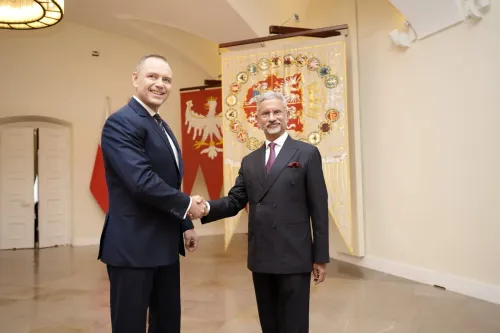
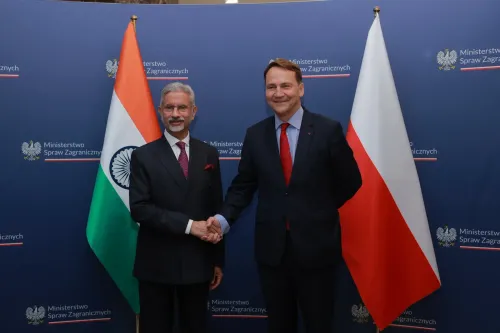
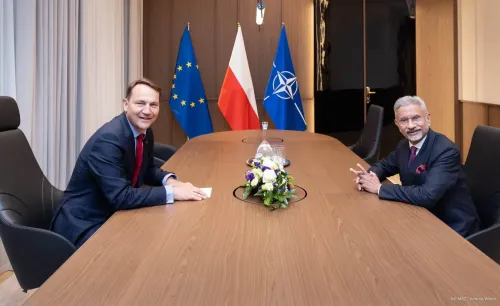
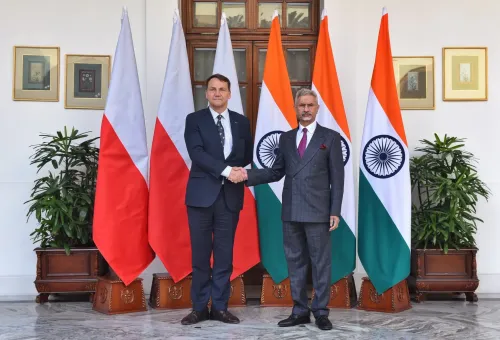
Jaishankar met Polish Deputy PM Radoslaw Sikorski in Warsaw on 4 September for bilateral talks described as ‘productive’.
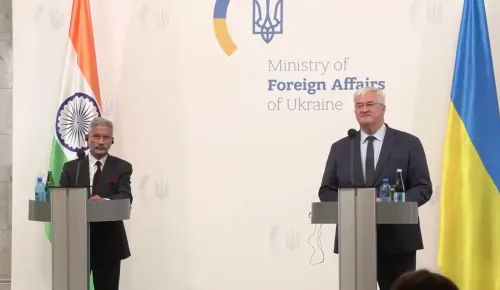
Jaishankar called for dialogue and diplomacy to end the Ukraine war , now in its fifth year , noting he had just visited Kyiv .
India and Poland elevated ties to a Strategic Partnership in 2024 ; both sides reviewed the Action Plan from PM Modi’s visit two years ago.
New cooperation areas include space, AI, digital technology, cyber security, clean coal, and critical minerals .
Jaishankar cited shared democratic values as the basis for India-Poland cooperation in shaping debates on food, fuel, fertiliser, and supply chain resilience.
India views the European Union as a key partner in the global shift toward multipolarity , with Poland seen as an important EU voice.
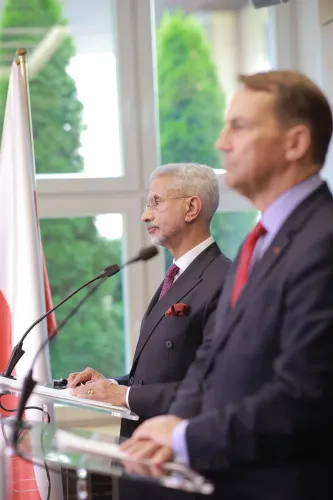
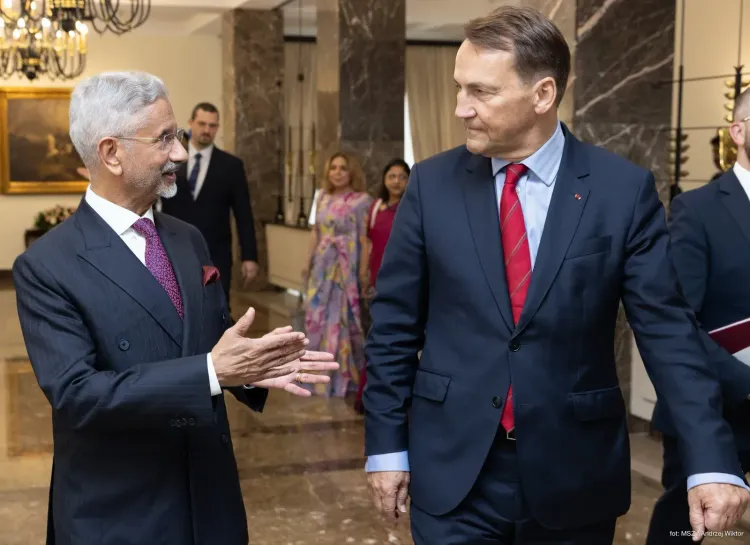
External Affairs Minister S. Jaishankar on Friday, 4 September said that India and Poland are well-placed to jointly shape the direction of critical global debates, citing shared democratic values, market economies, and a tradition of multilateral cooperation. Speaking at a joint press interaction with Polish Deputy Prime Minister and Foreign Minister Radoslaw Sikorski in Warsaw following bilateral talks, Jaishankar stressed the urgency of ending ongoing conflicts and addressing global supply chain stress.
Ukraine Conflict: India Pushes for Dialogue
Jaishankar placed the war in Ukraine — now in its fifth year — at the centre of the bilateral agenda. He noted that he had arrived in Warsaw directly from Kyiv, underscoring India's active diplomatic engagement on the conflict. “India believes that endless wars must give way to an end to war. These are wars without winners. Every additional day means more deaths, more destruction, more loss to the parties themselves and more cost to the rest of the world,” he said.
He added that Prime Minister Narendra Modi had recently voiced this concern publicly, and that India's approach is grounded in promoting dialogue and diplomacy. “We must each do what we can in whichever way we believe will be most effective and support the efforts of others to bring this conflict to an end. This is India’s strong conviction and we are acting on it,” Jaishankar said.
West Asia, Indo-Pacific, and the Multipolarity Shift
The two ministers also reviewed developments in West Asia and the Indo-Pacific. Jaishankar described the talks as “productive from all angles.” He noted that the world is simultaneously grappling with multiple armed conflicts and acute challenges around food, fuel, and fertiliser availability — with supply chain resilience adding an independent layer of concern.
On the broader geopolitical canvas, Jaishankar pointed to the global shift toward multipolarity, with India viewing the European Union as an important partner in the restructuring underway. “We are confident that Poland’s voice and Poland’s influence within the EU will encourage this trend,” he said.
Bilateral Ties: From Strategic Partnership to Action
India and Poland elevated their relationship to a Strategic Partnership in 2024. On Friday, both sides reviewed the Action Plan agreed upon during Prime Minister Modi’s visit to Poland two years ago. Jaishankar said the progress report was “a very solid one,” pointing to an uptick in trade and investments, deeper defence collaboration, and expansion in traditional sectors such as mining and energy.
Emerging areas of cooperation include space, digital technology, artificial intelligence, and innovation. Active work is also under way on agreements covering cyber security, space, clean coal, classified information exchange, and critical minerals. Recent institutional engagements included Foreign Office Consultations and a meeting of the Joint Commission, along with activity in the defence working group.
India-Poland at the UN and Multilateral Forums
Jaishankar highlighted the two countries’ long-standing tradition of working closely at the United Nations and other multilateral platforms as a key expression of their convergence. As political democracies, market economies, and open societies, he argued, India and Poland share both the values and the standing to influence global norm-setting — from climate and trade to security architecture.
With Poland holding growing influence within the EU and India asserting a more active global role, the Warsaw meeting signals a deliberate effort to convert shared values into coordinated diplomatic weight on issues that extend well beyond bilateral trade.
Point of View
While using each visit to reinforce its credentials as a credible diplomatic interlocutor. The pitch to Poland is shrewder than it appears; Warsaw is a NATO frontline state with outsized EU influence, and Delhi knows that winning Poland’s goodwill is a lever into Brussels. The real test is whether the Strategic Partnership’s Action Plan delivers on its emerging-tech promises — space, AI, critical minerals — or remains a list of aspirations, as such bilateral frameworks often do.
NationPress
19 Oct 2026
Frequently Asked Questions
What did EAM Jaishankar say about the Ukraine war during his Poland visit?
Jaishankar said India believes endless wars must give way to peace, describing the Ukraine conflict — now in its fifth year — as a war without winners. He called for a focus on dialogue and diplomacy, noting that he had visited Kyiv just before arriving in Warsaw and that PM Modi had recently voiced the same concern publicly.
What is the India-Poland Strategic Partnership?
India and Poland elevated their bilateral relationship to a Strategic Partnership in 2024. It is underpinned by an Action Plan agreed during PM Modi’s visit to Poland two years ago, covering trade, defence, energy, and emerging sectors such as space and AI.
What new areas of cooperation did India and Poland discuss in Warsaw?
Beyond traditional sectors like mining and energy, both sides are working on agreements in cyber security, space, clean coal, classified information exchange, critical minerals, digital technology, and artificial intelligence. Jaishankar said these would add ‘texture and substance’ to bilateral ties.
Why does India see Poland as an important partner within the EU?
Jaishankar said the world is moving toward multipolarity and that India views the European Union as a key partner in the global restructuring underway. He expressed confidence that Poland’s voice and influence within the EU would encourage stronger India-EU ties.
What global challenges did Jaishankar highlight at the Warsaw press conference?
Jaishankar pointed to multiple ongoing wars, acute challenges around food, fuel, and fertiliser availability, and supply chain resilience as the defining pressures facing the world. He argued that India and Poland, as democracies and market economies, are positioned to cooperate in shaping global responses to these issues through the UN and multilateral forums.