Japan-China trade chiefs hold first talks since 2024 diplomatic rift at APEC Suzhou
Synopsis
For the first time since Japan-China ties fractured over Prime Minister Takaichi's Taiwan remarks, trade ministers Akazawa and Wang exchanged words at APEC in Suzhou. It was brief, cautious, and unscheduled — but in the context of rare-earth export curbs, a Shanghai knife attack, and a hoped-for Xi-Takaichi summit in November, even a corridor conversation carries diplomatic weight.
Key Takeaways
Japanese trade minister Ryosei Akazawa and Chinese counterpart Wang Wentao held a brief sideline exchange at APEC in Suzhou on 23 May .
It is the first ministerial contact between the two nations since ties deteriorated in November 2024 over PM Takaichi's Taiwan remarks .
Senior Vice Foreign Minister Iwao Horii separately met Wang and raised concerns about the safety of Japanese nationals in China.
A knife attack in Shanghai on Tuesday injured two Japanese men and one Chinese woman at a Japanese restaurant.
China has imposed tighter export controls on rare earths since the diplomatic escalation; Akazawa called for their removal, warning of global supply chain damage.
Japan hopes to arrange a Xi Jinping–Takaichi summit at a November APEC meeting to stabilise bilateral relations.
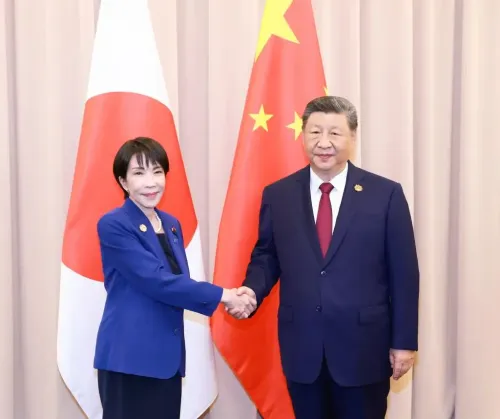
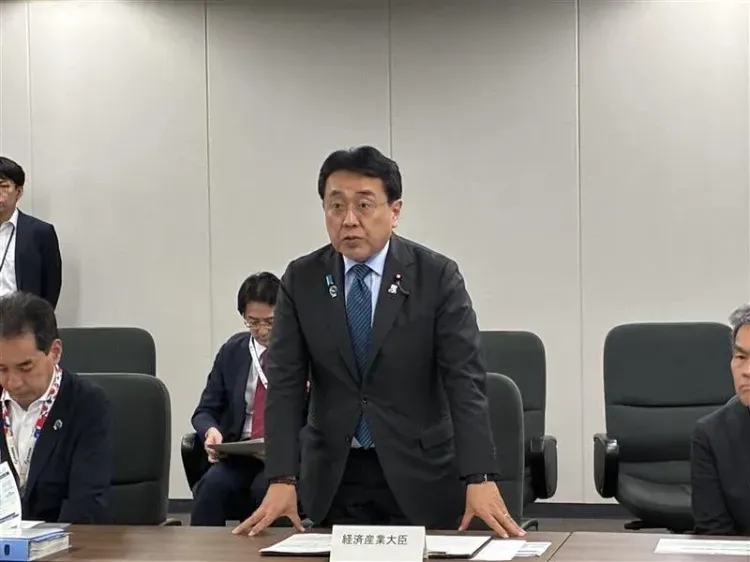
Japanese trade minister Ryosei Akazawa and Chinese commerce minister Wang Wentao held a brief exchange on the sidelines of the Asia-Pacific Economic Cooperation (APEC) trade forum in Suzhou, eastern China, on Saturday, 23 May, according to local media reports. The encounter marks the first ministerial-level contact between Tokyo and Beijing since bilateral ties deteriorated sharply following a parliamentary statement by Japanese Prime Minister Sanae Takaichi last November.
Background: What Triggered the Rift
Relations between the two neighbours soured in November 2024 when Takaichi told parliament that Japan could deploy its defence forces in the event of a conflict over Taiwan. The remarks drew a sharp reaction from Beijing, which subsequently tightened export controls on dual-use items — including strategically critical rare earths — in an apparent act of economic pressure on Tokyo.
What Happened at the APEC Sidelines
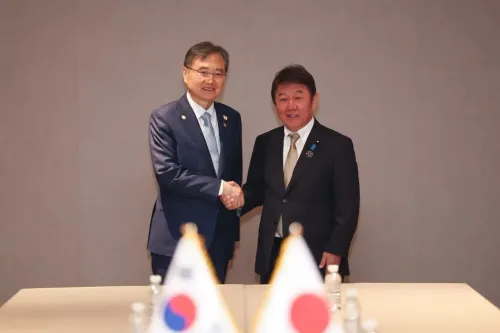
Senior Vice Foreign Minister Iwao Horii, who also attended the forum alongside Akazawa, held a separate meeting with Wang, according to reports. During that meeting, Horii raised the issue of safety of Japanese nationals in China — a concern that has grown more urgent following a knife attack in Shanghai on Tuesday in which two Japanese men and one Chinese woman were injured at a Japanese restaurant.
After the conclusion of the APEC session, Akazawa publicly called for the removal of China's export control measures on rare earths, warning that such restrictions could 'severely impact global supply chains' and are 'not in line with international practices.'
Japan's Position on Dialogue
Despite the diplomatic strain, Tokyo has consistently maintained that it remains open to engagement with Beijing. Akazawa reaffirmed this stance, stating: 'The Japanese government policy of seeking strategic and mutually beneficial ties with China remains unchanged.' Japan reportedly hopes to arrange a bilateral summit between President Xi Jinping and Prime Minister Takaichi on the sidelines of an APEC summit in November, with the aim of stabilising the relationship.
Taiwan's Presence and Japan's Deliberate Distance
Taiwan, also an APEC member, was represented at the Suzhou forum by trade representative Yang Jen-ni. However, Japanese officials confirmed that neither Akazawa nor Horii had any contact with the Taiwanese representative — a careful diplomatic signal from Tokyo as it navigates its competing interests in the region.
What Comes Next
The brief ministerial exchange, while not a formal bilateral meeting, is being watched as a potential opening for broader engagement. Whether it translates into a substantive thaw — including the rollback of China's rare earth export curbs — will depend heavily on whether the proposed Xi-Takaichi meeting in November materialises. For now, the two sides appear to be testing the waters cautiously.
Point of View
It is a signal neither side wanted to be seen refusing. What is striking is that Tokyo is simultaneously asking Beijing to lift rare-earth curbs, raising the Shanghai attack at the ministerial level, and pursuing a November summit — three parallel tracks that suggest Japan is managing a multi-front pressure campaign with deliberate restraint. The rare-earth lever is the one to watch: China's export controls on dual-use materials are not merely bilateral — they ripple through global semiconductor and EV supply chains. If Beijing keeps them in place through November, the Xi-Takaichi summit, if it happens at all, will arrive with a significant structural grievance unresolved.
NationPress
26 Sept 2026
Frequently Asked Questions
Why did Japan-China relations deteriorate in 2024?
Ties soured in November 2024 after Japanese Prime Minister Sanae Takaichi told parliament that Japan could deploy its defence forces in a conflict over Taiwan. Beijing reacted sharply and subsequently tightened export controls on dual-use items, including rare earths, as economic pressure on Tokyo.
What was agreed at the APEC Suzhou meeting between Japan and China?
No formal agreement was reached. The exchange between trade minister Ryosei Akazawa and commerce minister Wang Wentao was brief and took place on the sidelines of the APEC forum. It is significant primarily as the first ministerial contact between the two nations since the diplomatic rift began.
What is Japan's demand regarding rare earth export controls?
After the APEC session concluded, Akazawa called on China to remove its export control measures on rare earths, arguing they could 'severely impact global supply chains' and are 'not in line with international practices.' China imposed these controls following the escalation of tensions over Takaichi's Taiwan remarks.
What is the Shanghai knife attack mentioned in the context of these talks?
On Tuesday, a knife attack in Shanghai injured two Japanese nationals and one Chinese woman at a Japanese restaurant. Senior Vice Foreign Minister Iwao Horii raised the safety of Japanese nationals in China directly with Wang Wentao during their separate meeting at the APEC forum.
Is a Japan-China summit planned for later in 2025?
Japan reportedly hopes to arrange a bilateral summit between Chinese President Xi Jinping and Prime Minister Takaichi on the sidelines of an APEC summit in November 2025. No confirmation from the Chinese side has been reported.