Japan Adjusts Diplomatic Stance on China in 2026 Bluebook

Synopsis
In a significant diplomatic shift, Japan has revised its description of China in its 2026 Diplomatic Bluebook, reflecting growing tensions influenced by Prime Minister Sanae Takaichi's remarks. This change highlights the complexities of Japan-China relations amid rising security threats.
Key Takeaways
Japan's 2026 Diplomatic Bluebook downgrades China from 'most important' to 'important neighboring country.' This change reflects increasing tensions following Prime Minister Takaichi's remarks on Taiwan.
The report highlights China's coercive actions towards Japan.
Japan remains open to dialogue with China.
Defence Minister Koizumi emphasizes the need for self-reliance in defense capabilities.
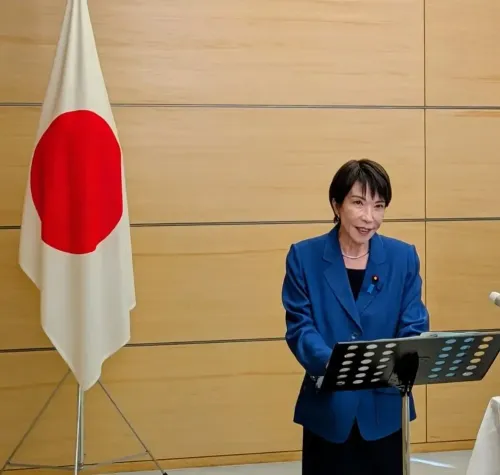
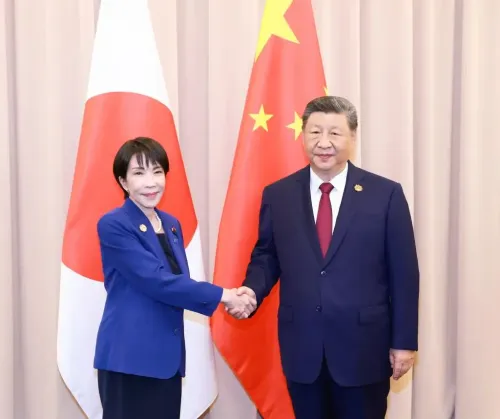
Tokyo, April 10 (NationPress) Japan has revised its characterization of China in the newly released 2026 Diplomatic Bluebook, reflecting the tense relationship between the two nations, a situation sparked by comments made by Japanese Prime Minister Sanae Takaichi last November, as reported by local media.
In the annual report presented by Japanese Foreign Minister Toshimitsu Motegi during a Cabinet meeting, China is now described as an "important neighboring country," a shift from its previous designation as "one of the most important bilateral relations" in the 2025 edition, according to Japan's prominent news outlet, Kyodo News.
This alteration in the report appears to underscore the deteriorating relations between the two countries, particularly after Takaichi's statements in parliament last November, in which she suggested that a Chinese military action against Taiwan might be seen as a significant threat to Japan's survival, potentially invoking a response from the Japanese Self-Defence Forces (JSDF). Notably, China views Taiwan as part of its territory and has insisted on its reunification with the mainland, even by force if necessary.
The report, which evaluates foreign policy changes from January to December 2025, highlights China's increased "unilateral criticism and coercive actions" against Japan. It references incidents such as radar targeting of SDF aircraft by Chinese military jets and China's export restrictions on dual-use items to Japan, as reported by Kyodo News.
Japan has also expressed its intention to engage in dialogue with China, emphasizing that Tokyo remains open to interactions with Beijing. Additionally, the report reiterates Japan's commitment to fostering a free and open Indo-Pacific region.
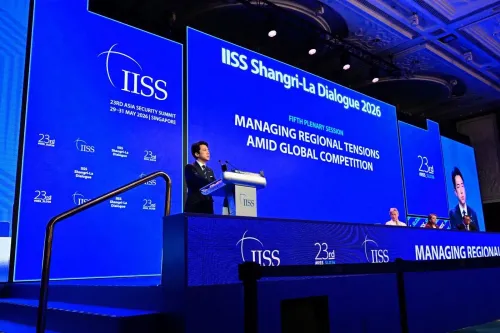
Earlier in February, Japanese Defence Minister Shinjiro Koizumi responded to China's critiques regarding Japan's efforts to bolster its defense capabilities, as local media has reported.
When questioned about the Japanese government's initiative to lift restrictions on defense equipment transfers for non-combat purposes—including rescue, transport, warning, surveillance, and minesweeping—Koizumi remarked, "China seems to be waging a propaganda campaign against us, portraying Japan as militaristic," according to Kyodo News.
During a press conference, Koizumi highlighted that the government's decisions were primarily influenced by the escalating security threats posed by China, referring to data from the Stockholm International Peace Research Institute.
He indicated that China's arms exports from 2015 to 2024 amounted to around USD 17 billion, making it the world's fourth-largest arms exporter, whereas Japan does not even rank among the top 50.
He concluded, "In the current security environment, it is crucial for us to develop our own defense capabilities without relying on a specific country for parts procurement."
Point of View
It is important to recognize the ongoing complexities in Japan-China relations, particularly in light of recent comments from influential leaders. Japan's diplomatic shift reflects a cautious approach to an evolving security landscape in the region.
NationPress
29 Jul 2026
Frequently Asked Questions
Why did Japan change its description of China?
Japan downgraded its description of China in response to increasing tensions, particularly following remarks by Prime Minister Sanae Takaichi regarding threats to Japan's security.
What does the revised Bluebook say about China?
The revised Bluebook refers to China as an 'important neighboring country,' rather than one of its 'most important bilateral relations,' indicating a shift in diplomatic tone.
How has China responded to Japan's defense initiatives?
China has criticized Japan's efforts to enhance its defense capabilities, suggesting these moves are indicative of Japan becoming more militaristic.
What are the implications of the strained Japan-China relations?
The strained relations may lead to increased military tensions in the region, particularly concerning issues like Taiwan and Japan's defense posture.
What is Japan's stance on dialogue with China?
Despite the tensions, Japan has expressed a willingness to engage in dialogue with China, maintaining an open channel for communication.