UK pledges £10 billion extra for Ukraine in Budget 2026 speech
Synopsis
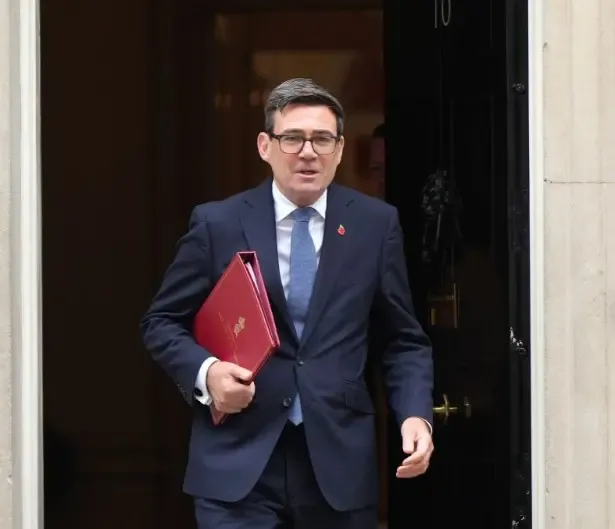
In his first Budget speech, UK Chancellor John Healey announced a £10 billion Ukraine package — the largest single UK commitment to Kyiv — pushing Britain's total support to £35 billion. The announcement, made just after PM Andy Burnham's 100th day in office, signals a Labour government intent on anchoring itself as Ukraine's most consequential European bilateral partner.
Key Takeaways
The UK has pledged £10 billion ( $13 billion ) in additional support for Ukraine , announced in the Budget 2026 speech on 29 October 2026 .
The package includes loans, Export Finance guarantees, and £500 million in urgent military funding for winter.
Britain's cumulative commitment to Ukraine now stands at £35 billion ( $47 billion ), including £16 billion in military support.
PM Andy Burnham called it 'the largest ever package of funding for Ukraine from the UK.' The announcement came a day after Burnham's first 100 days in office; Labour polling support has risen around 10 percentage points since Keir Starmer 's resignation.
The United Kingdom has announced £10 billion ($13 billion) in additional economic and military support for Ukraine, British Chancellor of the Exchequer John Healey declared in his Budget 2026 speech before the House of Commons on Wednesday, 29 October 2026. The package, described as the largest single UK funding commitment to Ukraine to date, comprises loans, Export Finance guarantees, and £500 million in urgent military funding earmarked for the coming winter.
What the Package Covers
Healey outlined that the £10 billion package is structured around three instruments: loans to the Ukrainian government, Export Finance guarantees to underpin trade and reconstruction, and a direct £500 million tranche of military aid for immediate battlefield needs this winter. The combination of financial architecture and hard military cash signals that London is attempting to address both Ukraine's front-line requirements and its longer-term economic resilience simultaneously.
With this announcement, Britain's total cumulative commitment to Ukraine has reached £35 billion ($47 billion), of which £16 billion ($21 billion) has gone toward military support, according to the British government.
What the Government Said
Prime Minister Andy Burnham and Chancellor Healey spoke directly with Ukrainian President Volodymyr Zelensky on Wednesday morning ahead of the Commons speech to inform him of the commitments. Burnham called it 'the largest ever package of funding for Ukraine from the UK.' British Foreign Secretary Ed Miliband said the funding 'will help Ukraine meet its immediate needs and support economic resilience,' according to a social media post on Wednesday.
Burnham's First 100 Days in Office
The announcement falls just a day after Burnham's first 100 days in office — a milestone reached on Tuesday, 28 October. Since taking office on 20 July 2026, the former mayor of Greater Manchester has pursued a notably different foreign policy posture from his predecessor, pushing plans to devolve greater powers to the regions, reconsider elements of Brexit, and chart a more independent course in international affairs.
The Labour Party's average polling support has risen by roughly 10 percentage points compared with the period immediately before former Prime Minister Keir Starmer announced his resignation in June, according to an analysis of polling data. Nonetheless, Burnham faces mounting pressure to convert policy proposals into concrete results, with constitutional tensions, the Brexit legacy, and friction with Washington testing his administration.
Context and Significance
The Budget 2026 announcement is notable for its timing: it comes as Ukraine faces a difficult winter on the front lines and amid broader Western discussions about the sustainability of long-term financial support. Notably, this is the first major Ukraine commitment from a Burnham-led government, and its scale — nearly doubling the previous annual UK aid rate — signals an intent to remain one of Kyiv's most consequential bilateral partners.
How Washington responds to London's more independent foreign policy posture, and whether the European Union aligns on similar fresh packages, will determine whether the UK's commitment catalyses broader allied action or stands as a largely bilateral gesture.
Point of View
But the structure matters as much as the scale: a significant portion is loans and export finance guarantees rather than outright grants, meaning Ukraine takes on repayment obligations at a time when its fiscal position is deeply fragile. Burnham's framing of a 'more independent' UK foreign policy is also worth scrutinising — London moving closer to Kyiv while simultaneously distancing from Washington risks creating strategic incoherence if US support for Ukraine shifts. The 100-day optics are real, but so is the pressure: headline pledges without a clear disbursement timetable have a way of outlasting the governments that announce them.
NationPress
29 Oct 2026
Frequently Asked Questions
What is the UK's new £10 billion Ukraine support package?
It is an additional £10 billion ($13 billion) in economic and military support announced by British Chancellor John Healey in the Budget 2026 speech on 29 October 2026. The package is structured around loans, Export Finance guarantees, and £500 million in direct military funding for Ukraine this winter.
How much has the UK committed to Ukraine in total?
Britain's total cumulative commitment to Ukraine now stands at £35 billion ($47 billion), of which £16 billion ($21 billion) is military support, according to the British government.
Who announced the Ukraine package and why now?
Chancellor John Healey announced the package during his Budget 2026 address to the House of Commons. Prime Minister Andy Burnham and Healey also spoke directly with Ukrainian President Volodymyr Zelensky on Wednesday before the speech. The timing coincides with Burnham's first 100 days in office and Ukraine's need for winter military and economic support.
What is Andy Burnham's foreign policy approach to Ukraine?
Since taking office on 20 July 2026, PM Burnham has pursued a more independent UK foreign policy, distancing himself from the previous administration's approach. The Ukraine package represents his government's largest bilateral foreign commitment to date, and he has personally engaged with President Zelensky to underline the commitment.
How has UK public opinion shifted under Burnham?
Labour's average polling support has risen by roughly 10 percentage points compared with the period just before former PM Keir Starmer announced his resignation in June, according to an analysis of polling data. However, Burnham still faces pressure to deliver on devolution, Brexit reconsideration, and foreign policy amid tensions with Washington.