What Concerns Arise from Japanese PM's Hawkish Tone?
Synopsis
In her first parliamentary address, Japanese Prime Minister Sanae Takaichi has stirred concerns with her hawkish stance on security and foreign policy. With a commitment to increasing defense spending and tightening regulations on foreign land purchases, critics warn of a significant shift in Japan's postwar diplomatic approach.
Key Takeaways
Takaichi advocates for a significant increase in Japan's defense budget.
She emphasizes the importance of Japan's alliance with the United States.
Her government aims to tighten regulations on foreign land purchases.
There are concerns about shifting Japan's postwar pacifist stance.
Multilateral dialogue with regional allies is a key focus.
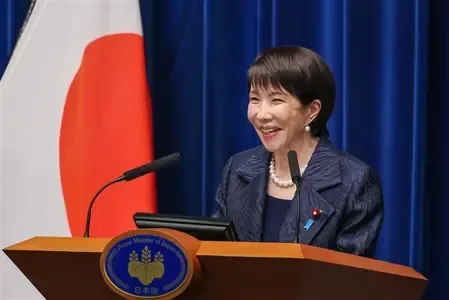
Tokyo, Oct 25 (NationPress) Japan's Prime Minister Sanae Takaichi has made her inaugural address in Parliament since assuming office, which has sparked worries regarding her hawkish and conservative perspectives on security and diplomatic issues.
On security matters, Takaichi expressed her intention on Friday to expedite Japan's military enhancement, committing to increase the defense budget to 2 percent of GDP by next March, two years earlier than planned, and to revise the National Security Strategy along with two other critical defense documents by the end of 2026.
The leader of the Liberal Democratic Party (LDP) labeled the alliance with the United States as the “foundation” of Japan's diplomatic and security initiatives, stating that her administration will enhance multilateral discussions with nations like South Korea, the Philippines, Australia, and India, while promoting a “free and open Indo-Pacific”.
Takaichi underscored that China is a significant neighbor with whom Japan must cultivate “constructive and stable” relationships, yet there are “security concerns” between the two nations, as reported by Xinhua.
On economic issues, Takaichi reaffirmed her dedication to “responsible and proactive fiscal policies”, promising to foster the growth of industries such as artificial intelligence and to support citizens' livelihoods through increased local and energy subsidies, thereby alleviating the strain on middle and lower-income families.
When addressing policies affecting foreigners, the 64-year-old conservative asserted that her administration will tighten regulations on land acquisitions by foreigners and ensure compliance with relevant rules by foreign residents in Japan.
Takaichi's policy address during an extraordinary parliamentary session followed her election as Prime Minister on Tuesday, marking her as Japan's first female leader.
Various prominent Japanese media have voiced significant apprehensions regarding Takaichi's policies.
The Asahi Shimbun remarked that Takaichi's stances on security, diplomacy, and foreign relations carry a “strongly hawkish tone”, aiming to substantially shift Japan's postwar trajectory, describing this trend as “highly concerning”.
The Nikkei indicated that this policy shift is predicated on an increase in defense spending, emphasizing the necessity for extensive and careful discussion of related policies in Parliament.
The Mainichi stressed that these actions could transform Japan's traditionally defense-oriented policy and possibly reverse its postwar identity as a pacifist nation.
“A sole focus on bolstering Japan's defense capabilities may amplify neighboring countries' wariness. It is vital to maintain dialogue to ensure peace,” it concluded.
Point of View
It is crucial to highlight that while Prime Minister Takaichi's policies reflect a significant shift towards a more assertive military and economic posture, they must be balanced with diplomatic efforts to maintain peace in the region. The concerns raised by various media indicate the need for careful consideration of the potential impacts on Japan's relationships with its neighbors and global partners.
NationPress
30 Sept 2026
Frequently Asked Questions
What are the main points of Takaichi's speech?
Takaichi emphasized military buildup, economic policies focused on AI development, and stricter regulations regarding foreign land purchases.
How does Takaichi's stance differ from previous leaders?
Takaichi's hawkish tone marks a departure from Japan's traditionally pacifist postwar policy, focusing more on military readiness.
What are the implications of increased defense spending?
Increased defense spending may enhance Japan's military capabilities but could also escalate tensions with neighboring countries.
How is the media reacting to Takaichi's policies?
Major Japanese media outlets have expressed significant concerns regarding the hawkish nature of Takaichi's policies.
What is Takaichi's approach to foreign relations?
She aims to strengthen ties with the U.S. and other nations while managing foreign presence and investments in Japan.