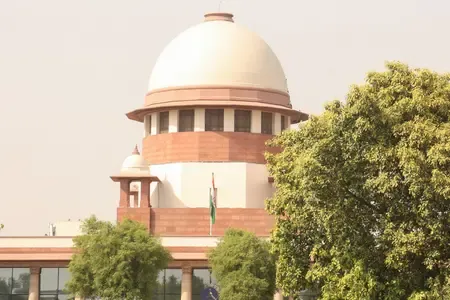
Supreme Court to hear Delhi-NCR pollution, stubble burning, green crackers case today
Synopsis
With Diwali days away and Delhi's air quality worsening, the Supreme Court's Thursday hearing is the crucial moment that will decide whether 'green' firecrackers can actually be sold in the NCR — after already allowing their manufacture. The bench's call on stubble burning accountability could equally define how the government is held to account during the worst weeks of Delhi's pollution season.
Key Takeaways
The Supreme Court is scheduled to hear Delhi-NCR pollution , stubble burning , and green cracker sale matters on 29 October 2026 , ahead of Diwali .
An existing court order prohibits the manufacturing, storage, and use of all firecrackers in Delhi-NCR .
At the previous hearing, the court allowed manufacturers to produce green firecrackers but explicitly did not permit their sale — that decision is pending.
The Central Government was directed to consult stakeholders and draft a balanced firecracker policy for the region.
The court had noted that public awareness may be more effective than restrictive orders that are difficult to enforce on the ground.
Stubble burning by farmers in Punjab and Haryana is also part of the hearing agenda.
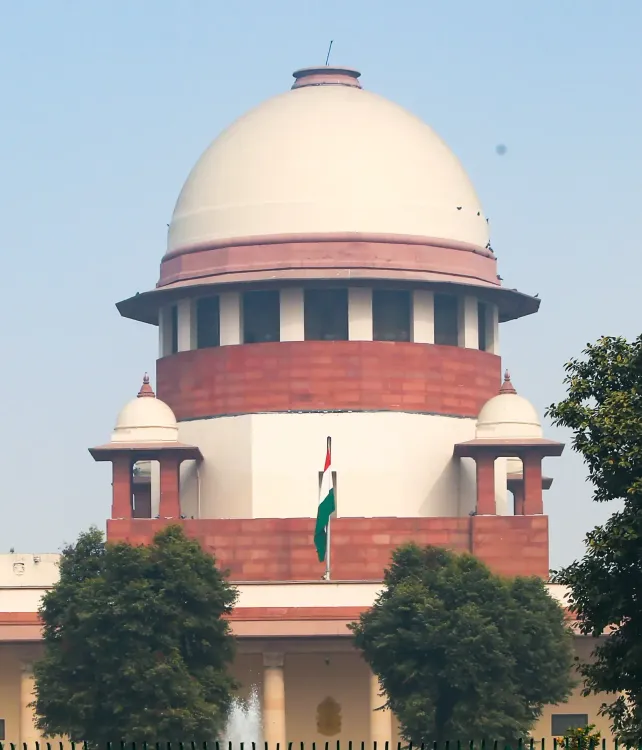
The Supreme Court of India is scheduled to take up on Thursday, 29 October 2026, a batch of matters covering rising air pollution in the Delhi-National Capital Region (NCR), stubble burning in neighbouring states, and the contentious question of whether 'green' firecrackers may be sold ahead of the Diwali festival. The hearing arrives as air quality in Delhi-NCR deteriorates sharply with the onset of the winter season.
The Current Ban and Its Basis
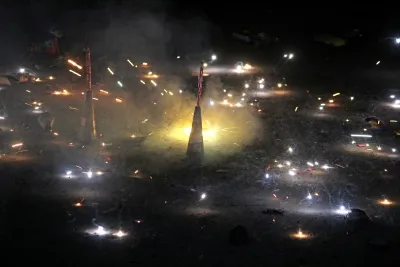
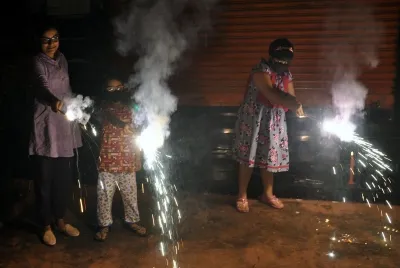
Under an earlier Supreme Court order specifically targeting the region's pollution crisis, the manufacturing, storage, and use of all types of firecrackers remain completely prohibited in Delhi-NCR. The restrictions were imposed as part of a sustained judicial effort to limit activities that significantly worsen the region's already critical air quality during the festive and winter months.
The Green Cracker Question
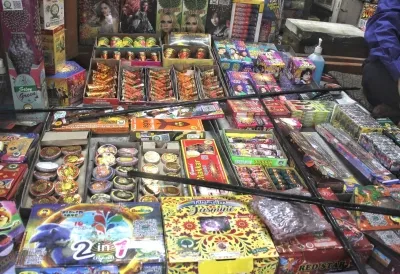
At the previous hearing, the court had signalled a possible limited relaxation, permitting firecracker manufacturers to produce so-called 'green' firecrackers — formulations that reportedly emit lower levels of particulate matter and harmful chemicals — for the Delhi-NCR market. However, the apex court had explicitly clarified that permission to manufacture these products would not automatically extend to their sale. Whether green crackers may actually be sold to consumers in the region is therefore expected to be the central issue before the bench on Thursday, with Diwali approaching.
Government Directed to Consult Stakeholders
The Supreme Court had previously directed the Central Government to consult all relevant stakeholders — including manufacturers, public health experts, and state authorities — and work towards formulating a balanced policy on the manufacturing and use of firecrackers in Delhi-NCR. The Centre's inputs on this consultative exercise are likely to feature in Thursday's proceedings.
Awareness Over Enforcement, Court Had Said
Notably, the apex court had also observed that public awareness and voluntary participation could prove more effective in curbing firecracker-induced air pollution than restrictive orders that remain difficult to enforce on the ground. This framing has shaped the court's incremental approach — seeking workable solutions rather than blanket prohibitions that have historically seen patchy compliance. The issue of stubble burning by farmers in Punjab and Haryana, which compounds Delhi's air quality crisis every post-harvest season, is also on the docket.
What to Watch
The key outcome to track is whether the bench grants permission for the sale of green firecrackers before Diwali, and what conditions — if any — it attaches to such a permission. Any direction on stricter stubble-burning enforcement or state accountability will equally signal the court's intent heading into the most critical weeks of Delhi's pollution calendar.
Point of View
But it has also created regulatory ambiguity that neither manufacturers nor consumers can plan around. The Central Government's stakeholder consultation, ordered weeks ago, has yet to yield a clear policy framework, which puts the bench in the uncomfortable position of making ad hoc festive-season calls rather than enforcing a durable rule. Stubble burning remains the larger structural driver of Delhi's winter air crisis, yet judicial attention tends to peak on firecrackers because they are more visible and politically simpler to address. Until state-level accountability for farm fires is backed by enforceable consequences — not just directions — the court's pollution orders will continue to outpace their implementation.
NationPress
29 Oct 2026
Frequently Asked Questions
What is the Supreme Court hearing on 29 October about?
The Supreme Court is taking up matters related to rising air pollution in Delhi-NCR, stubble burning in neighbouring states, and whether 'green' firecrackers may be sold ahead of Diwali. The hearing is part of ongoing judicial oversight of the region's worsening air quality crisis each winter.
Are firecrackers currently banned in Delhi-NCR?
Yes. Under an existing Supreme Court order, the manufacturing, storage, and use of all types of firecrackers are completely prohibited in Delhi-NCR. The ban was imposed specifically to address the region's severe air pollution problem.
What are 'green' firecrackers, and why does the court's stance matter?
'Green' firecrackers are formulations that reportedly emit lower levels of particulate matter and harmful chemicals compared to conventional crackers. The Supreme Court had permitted their manufacture in a limited relaxation but explicitly stated that production permission does not extend to sale — a distinction the court is expected to revisit at Thursday's hearing, just days before Diwali.
What has the Central Government been asked to do?
The Supreme Court directed the Central Government to consult all relevant stakeholders — including manufacturers, public health experts, and state authorities — and develop a balanced policy on firecracker manufacturing and use in Delhi-NCR. The outcome of that consultation is expected to inform Thursday's proceedings.
Why is stubble burning part of the same hearing?
Stubble burning by farmers in Punjab and Haryana after the kharif harvest is one of the primary drivers of Delhi's winter air quality deterioration each year. The Supreme Court is simultaneously monitoring state-level compliance on this issue alongside its Diwali-related firecracker orders.