Karachi's Gul Plaza fire: Rights body cites admin failures, 71 dead
Synopsis
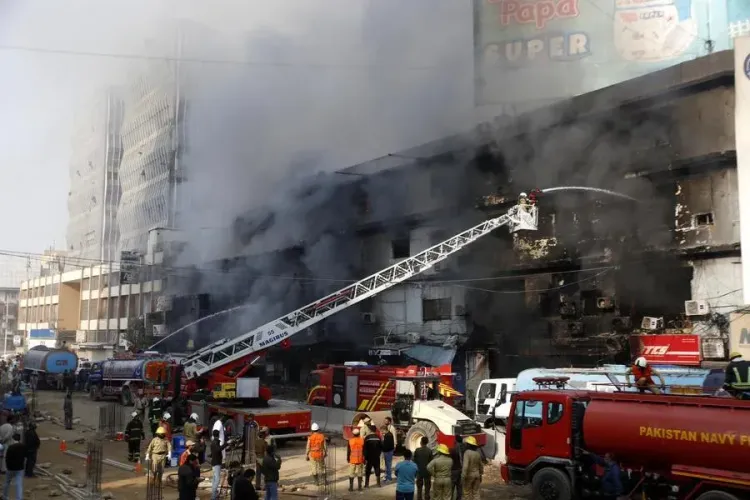
Pakistan's Human Rights Council says the Gul Plaza fire that killed 71 people in Karachi was no accident — it was the predictable result of non-functional sprinklers, illegal building modifications, undertrained firefighters, and a regulatory apparatus that allegedly looked the other way. The rights body is now demanding criminal cases and an independent judicial commission, while the Sindh government has yet to respond.
Key Takeaways
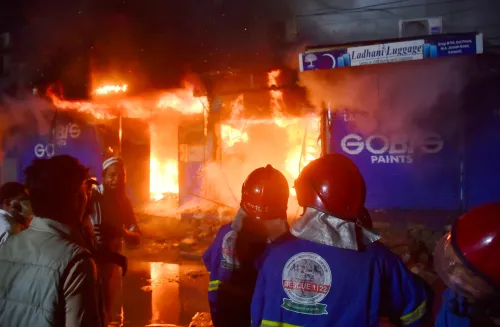
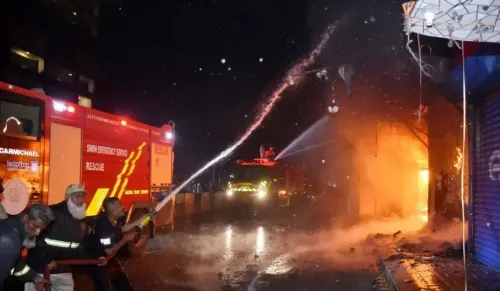
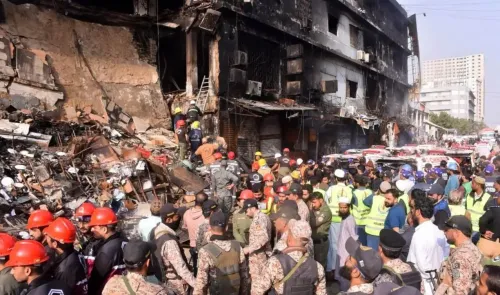
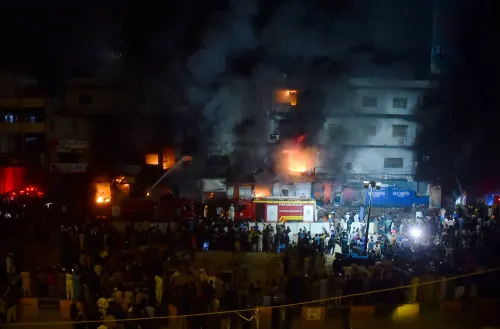
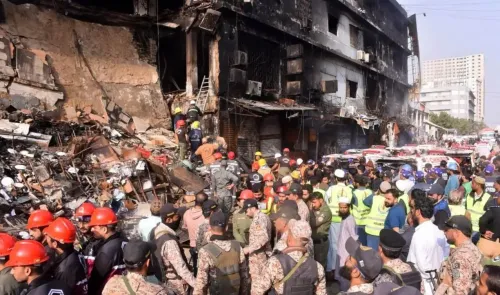
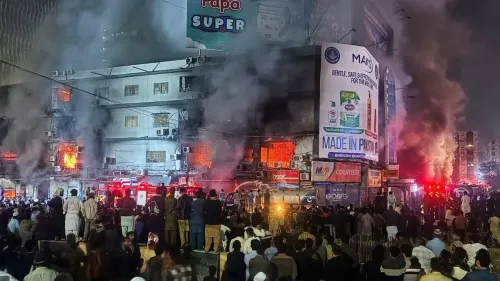
The Gul Plaza fire in Karachi on 17 January killed 71 people , injured 82 , and left more than 20 missing .
Pakistan's Human Rights Council (HRC) attributes the disaster to 'severe administrative failures' by the KMC , SBCA , and other authorities.
The Commission of Inquiry found that sprinklers, fire hoses, smoke alarms, and emergency lighting were either absent or non-functional.
Illegal modifications and narrow corridors reportedly obstructed rescue operations; most victims died from smoke inhalation.
The HRC has demanded the removal and investigation of KMC Chief Fire Officer Muhammad Humayun Khan and the formation of an independent judicial commission.
The Sindh government has not publicly responded, a silence the HRC described as 'equally troubling.'
Pakistan's Human Rights Council (HRC) has alleged that the Gul Plaza fire in Karachi, which claimed 71 lives, injured 82 others, and left more than 20 people missing, was not a mere accident but the direct consequence of severe 'administrative failures' — pointing fingers at multiple layers of government oversight that reportedly broke down on 17 January this year.
What the HRC Alleged
HRC Chairman Jamshed Hussain, addressing a press conference on 2 July, said the tragedy stemmed from failures within the Karachi Metropolitan Corporation (KMC), deficiencies in the firefighting system, alleged flawed oversight by the Sindh Building Control Authority (SBCA), and outright negligence by the officials concerned. He added that the silence of the Sindh government on the matter is 'equally troubling.'
What the Commission of Inquiry Found
Citing the Commission of Inquiry report, the HRC stated that the fire originated in a single shop but spread rapidly because basic fire safety infrastructure — including the sprinkler system, fire hoses, smoke alarms, and emergency lighting — was either absent or non-functional at the time. Most victims reportedly died due to suffocation caused by smoke inhalation.
The inquiry also found that 'narrow corridors, poor ventilation, and illegal modifications severely hampered the rescue operation.' Sources cited by the HRC indicate that the number of shops in Gul Plaza had been increased beyond what was permitted under the original construction approval, which reportedly compromised emergency evacuation routes.
Firefighting Capacity Under Scrutiny
The rights body further noted that firefighting staff 'lacked the required safety equipment and adequate training to handle emergencies,' a gap it said directly affected the timeliness and effectiveness of rescue operations. This raises a systemic concern: periodic inspections of commercial buildings — described by Hussain as the 'responsibility of relevant authorities' — were allegedly not being conducted.
Notably, the HRC raised pointed questions about the appointment, qualifications, and administrative decisions of KMC Chief Fire Officer Muhammad Humayun Khan, calling for his immediate removal and subjecting him to a transparent investigation.
Key Demands from the HRC
The Human Rights Council issued a set of formal demands to Pakistani authorities, including the registration of criminal cases against all those responsible — including relevant government officers — and the establishment of an independent judicial commission to conduct a thorough investigation. The body insisted that accountability must extend beyond lower-level officials to those who oversaw the structural and regulatory environment in which the tragedy occurred.
Broader Context
The Gul Plaza fire is not an isolated episode in Pakistan's history of commercial building disasters. Critics argue that inadequate enforcement of building codes and chronic underfunding of fire services have repeatedly turned preventable incidents into mass casualties. This comes amid growing pressure on provincial governments across Pakistan to overhaul urban safety regulations. Whether the Sindh government responds to the HRC's demands with concrete action — or continues what the rights body has called a troubling silence — will be closely watched.
Point of View
Not incidental — non-functional sprinklers, illegal shop expansions, and untrained firefighters do not happen in isolation; they reflect years of unchecked regulatory negligence. The Sindh government's silence is itself a data point: in Pakistan's provincial accountability architecture, disasters of this scale typically trigger political blame-shifting rather than systemic reform. The demand for an independent judicial commission is the right call, but its credibility will hinge entirely on whether it is insulated from the same KMC and SBCA officials whose oversight it is meant to scrutinise. Without that firewall, the commission risks becoming another procedural exercise that produces a report and no consequences.
NationPress
1 Oct 2026
Frequently Asked Questions
What was the Gul Plaza fire in Karachi?
The Gul Plaza fire broke out on 17 January in Karachi, killing 71 people, injuring 82, and leaving more than 20 missing. According to Pakistan's Human Rights Council, most victims died from smoke inhalation due to absent or non-functional fire safety systems.
What did the Human Rights Council allege about the fire?
The HRC alleged that the fire was the result of severe administrative failures — including negligence by the Karachi Metropolitan Corporation, flawed oversight by the Sindh Building Control Authority, and a lack of periodic safety inspections of commercial buildings.
Why were rescue operations hampered at Gul Plaza?
The Commission of Inquiry found that narrow corridors, poor ventilation, and illegal modifications to the building obstructed rescue efforts. Firefighting staff also reportedly lacked adequate safety equipment and training.
What action has the HRC demanded?
The HRC has called for criminal cases against all responsible parties including government officers, the immediate removal of KMC Chief Fire Officer Muhammad Humayun Khan, and the establishment of an independent judicial commission to investigate the tragedy.
How has the Sindh government responded?
As of 2 July, the Sindh government had not publicly responded to the incident, a silence the HRC Chairman described as 'equally troubling' alongside the administrative failures that caused the fire.