Is Karachi on the Brink of Becoming Unlivable Due to Unchecked Urban Expansion?
Synopsis
Karachi faces an alarming urban crisis driven by rampant illegal construction and diminishing green spaces, threatening its livability. The UN warns that without swift action, temperatures could soar, pushing the city toward extreme conditions that may reshape its future. Discover the critical challenges and implications of unregulated urbanization in this vital report.
Key Takeaways
Illegal land reclamation is endangering Karachi's communities.
The city is experiencing a surge in unregulated construction .
Urban heat island effect is worsening, making Karachi feel like a furnace.
Karachi is among nine Asian cities at high risk of rising temperatures.
Without urgent action, the city could become increasingly unlivable.
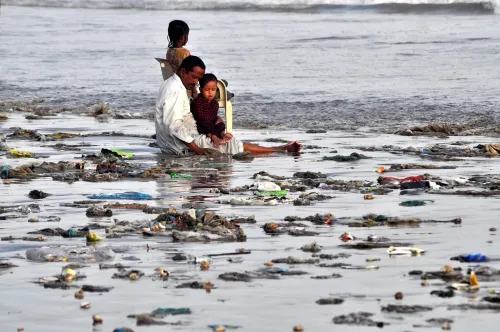
Islamabad, Dec 3 (NationPress) Karachi, a major city in Pakistan, is grappling with rampant illegal land reclamation and a significant rise in unregulated construction—from sprawling concrete developments to towering high-rises—jeopardizing coastal communities, traditional fishing practices, and the city's limited number of protected parks. This unchecked growth has exacerbated the urban heat island effect, causing the city to feel increasingly like a furnace, as highlighted in a recent report.
According to the latest Asia-Pacific Disaster Report 2025 released by the United Nations, the rapid concrete expansion and diminishing green spaces in Karachi are leading to extreme temperature increases that could surpass those in most Asian cities.
“This dire situation is particularly alarming for a metropolis that has seen an uptick in heat waves over the past decade, with the possibility of even hotter conditions looming. Without immediate action, disorganized urban growth, dense constructions, and reduced natural buffers could raise temperatures by a concerning 2°C-7°C above global warming thresholds, heightening the urban heat island effect and edging the nation’s economic hub closer to unlivability,” detailed a report from Pakistan's prominent newspaper, Business Recorder.
The UN report places Karachi among nine Asian cities most vulnerable to rising temperatures in the coming years. It also forecasts that Pakistan may emerge as one of the most arid nations between 2041 and 2060, facing life-threatening heat and severe water shortages, thereby reshaping the country's disaster landscape.
“There is a persistent—and justified—focus on how developed industrial nations have contributed to global ecological deterioration through decades of unchecked emissions, placing the heaviest burdens on countries like ours. However, this context does not absolve the self-serving, shortsighted, and frequently ineffective governance frameworks that have intensified our own vulnerabilities,” the report stated.
“Nowhere is this more evident than in Karachi, consistently ranked among the least livable urban areas globally. This status is influenced not only by climate threats but also by years of institutional neglect, fragmented authority, and policy inertia, which have further exacerbated environmental challenges, trapping the city in a damaging cycle,” it added.
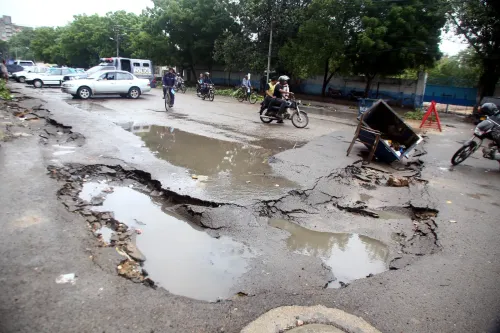
The report notes that Karachi has seen six master plans since gaining independence, with the latest—the Greater Karachi Regional Plan 2047—unveiled earlier this year. However, these initiatives have not adequately tackled the city's core issues, including rapid population growth, unregulated urbanization, decaying municipal services, chronic transportation failures, encroached waterways, poor waste management, and diminishing public and green spaces.
“The reality is that urban planning in Karachi—as in other major cities in Pakistan—is more influenced by political motives and the quest for centralized control than by scientific data or the insights of local experts regarding population growth and climate needs,” the report emphasized.
Point of View
I emphasize the urgency of addressing Karachi's escalating urban challenges. Our report underscores the critical need for effective governance and sustainable urban planning to mitigate the impacts of climate change and improve livability in this iconic city. Our commitment is to highlight pressing issues and advocate for solutions that prioritize the well-being of our communities.
NationPress
24 Sept 2026
Frequently Asked Questions
What are the main issues facing Karachi?
Karachi is struggling with illegal land reclamation, unregulated construction, and a significant reduction in green spaces, leading to increased temperatures and decreased livability.
How is urbanization affecting Karachi's climate?
Rapid urbanization is intensifying the urban heat island effect, causing the city to experience extreme temperatures that could exceed those of other Asian cities.
What does the UN report say about Karachi's future?
The UN report warns that without urgent interventions, Karachi could face a rise in temperatures by 2°C-7°C above global warming levels, making it increasingly unlivable.
What governance issues contribute to Karachi's challenges?
Years of institutional neglect, fragmented authority, and ineffective policies have compounded environmental stresses in Karachi, leading to a cycle of degradation.
What has been done to address Karachi's urban planning needs?
Despite six master plans since independence, including the latest Greater Karachi Regional Plan 2047, the city continues to face significant challenges due to a lack of effective implementation.