Is Pakistan Violating EU Norms While Retaining GSP+ Status?
Synopsis
Pakistan enjoys GSP+ trade benefits from the EU, yet its human rights record raises questions about compliance with international norms. Explore the contradictory situation where trade privileges persist despite widespread violations, shedding light on the implications for both Pakistan and the EU.
Key Takeaways
Pakistan is a major beneficiary of GSP+ from the EU .
Significant increases in trade, especially in textiles, are evident.
Violations of human rights contradict the eligibility for GSP+ .
Concerns about Pakistan ’s socio-economic conditions persist.
The future of GSP+ status remains uncertain amid ongoing violations.
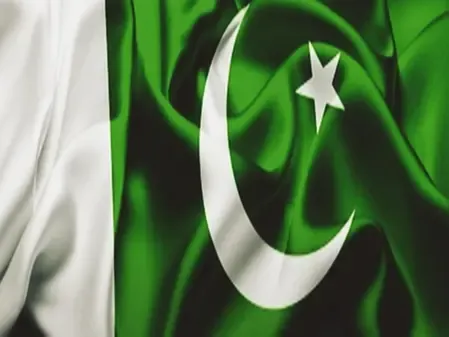
New Delhi, Dec 3 (NationPress) Pakistan has emerged as one of the principal beneficiaries of the Generalised System of Preferences Plus (GSP+) status awarded to its exports by the European Union. Nevertheless, the country’s inadequate record concerning human rights represents a significant breach of the eligibility requirements for this status.
The GSP+ is a trade framework that grants developing nations preferential access to EU markets. It acts as a unique incentive scheme fostering sustainable development and good governance, designed to assist vulnerable developing countries like Pakistan.
These generous EU tariff concessions have propelled a considerable enhancement in Pakistan’s trade. Exports from Islamabad to the EU have surged by over 47.25% since the advent of the GSP+ status. Notably, the textile sector has seen a remarkable increase of 66.6% since 2013, with Germany, Spain, the Netherlands, Italy, Poland, and Portugal identified as key export markets for Pakistan, as indicated in an article from the European Times.
However, a crucial principle of GSP regulation mandates that beneficiary nations must ratify and effectively execute 27 international conventions pertaining to human rights, labor, environmental protection, and good governance to qualify for preferential trade advantages.
While Pakistan has ostensibly ratified all 27 core international agreements, the reality starkly contradicts this. Contrary to the covenants ratified, Pakistan exemplifies a troubling pattern of widespread and systematic human rights abuses, exhibiting a state that is significantly tolerant of its own violations. Given the dismal performance over the past decade, there is limited confidence in endorsing the renewal of GSP+ status for Pakistan, as highlighted in the article.
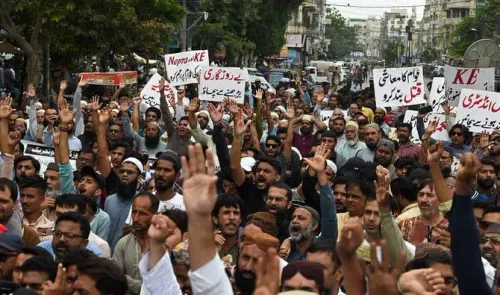
Issues ranging from gender and ethnic discrimination to the employment of military courts for civilians have tarnished Pakistan's reputation, marked by numerous incidents of human rights violations. An EU assessment from 2018-19 reported no advancements in labor rights legislation, alongside a scarcity of safe spaces for civil society, dissenting voices, and journalist safety. Furthermore, sectarian strife, including violence against the Shia community in 2020, 2023, and 2024, along with systematic oppression of religious minorities through discriminatory laws, targeted violence, forced conversions, mob assaults, and the weaponization of digital platforms against Pakistan’s Hindu, Christian, Sikh, Shia, Ahmadi, Kalash, and other minority communities, have kept the UNHCR alert, as noted in the article.
A report from the Center for the Study of Organized Hate (CSOH) indicates that incidents of violence against religious minorities have surged recently, particularly between 2024 and the first half of 2025. By July 2025, UNHCR experts expressed alarm over the escalating violence against vulnerable communities, which have faced relentless attacks, killings, and ongoing harassment amid a backdrop of hostility and advocacy of hatred against them. UNHCR also noted that these assaults are occurring with implicit official support and cautioned the state to dismantle the culture of impunity that enables aggressors to act without fear of repercussions.
The socio-economic landscape of Pakistan is also in a dire state, reflecting the system’s indifference and lack of commitment to enhancing citizens’ welfare while violating the principles of good governance and labor rights. Recent estimates from the World Bank indicate that the poverty rate in Pakistan has risen to 44.7%, suggesting that nearly half of the population lives below the poverty threshold, enduring severe poverty conditions.
While budget allocations for education and healthcare have plummeted to historic lows, Pakistan has amplified its defense budget by more than 200 times from 2016-17 to 2025-26, currently standing at a staggering 2.55 trillion rupees (approximately $9 billion). This figure does not even account for the substantial burden of military pensions on government budget allocations.
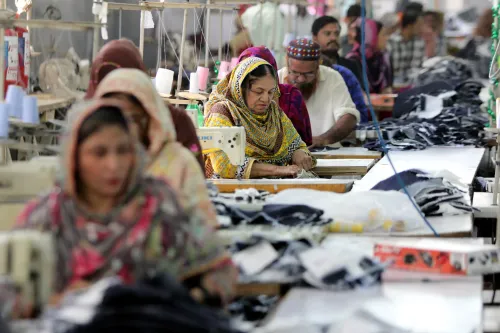
The textile sector, which is thriving under the GSP+ regime, is also notorious for labor rights violations, with frequent breaches of wage regulations and a significant proportion of textile workers lacking written contracts.
Concerns have been voiced by the EU regarding blasphemy laws, enforced disappearances, freedom of expression, media independence, impunity for rights violations, due process, fair trials, civic space, and the prevailing situation regarding the death penalty, all of which require urgent attention to maintain trade privileges.
The article poses a critical question: Given the breaches of conventions in every domain, including human rights, good governance, and labor rights, is it justified for the EU to renew Pakistan’s GSP+ status?
Point of View
Our stance remains steadfast in advocating for the rights of individuals and communities. Pakistan's ongoing breaches of human rights and good governance principles under GSP+ status cannot be overlooked. We urge the international community to hold accountable those responsible for these violations while fostering a dialogue that prioritizes human dignity.
NationPress
30 Sept 2026
Frequently Asked Questions
What are the eligibility conditions for GSP+?
Beneficiary countries must ratify and effectively implement 27 international conventions on human rights, labor rights, environmental protection, and governance.
How has Pakistan's trade changed under GSP+?
Pakistan's exports to the EU have increased by more than 47.25%, with textile exports rising by 66.6% since the inception of GSP+.
What human rights issues exist in Pakistan?
Pakistan faces numerous human rights violations, including gender and ethnic discrimination, violence against religious minorities, and lack of freedom of expression.
Why is the EU concerned about Pakistan's GSP+ status?
The EU is concerned about Pakistan's failure to uphold human rights and governance standards, raising questions about the justification for renewing its GSP+ status.