Iran's Khamenei calls Hezbollah support a 'strategic mandate' in letter to Qassem
Synopsis
Iran's Supreme Leader Khamenei has put Tehran's backing of Hezbollah in writing — and on the record — calling it a 'strategic mandate' in a direct letter to the group's chief. Coming alongside a blistering attack on the US over alleged MoU violations and a warning of 'unforgettable lessons', the message signals that Iran's regional posture is hardening, not softening, despite an active diplomatic framework.
Key Takeaways
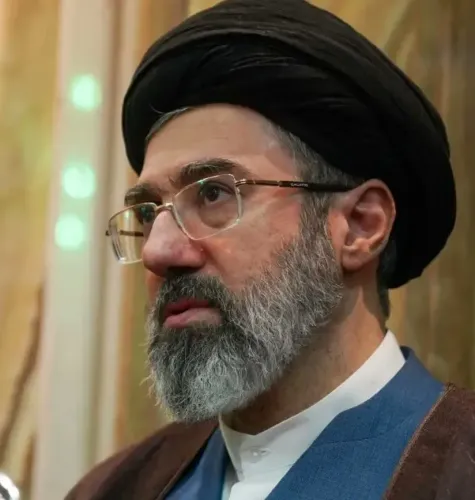
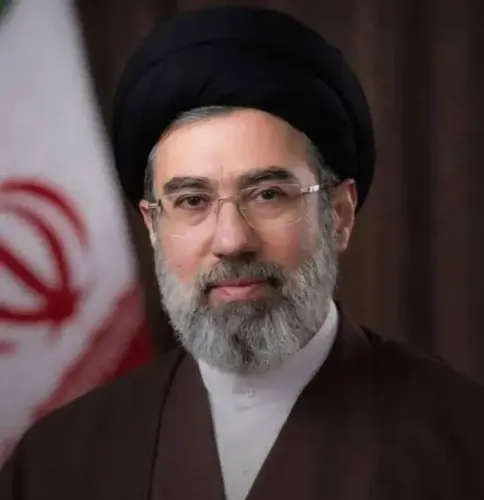
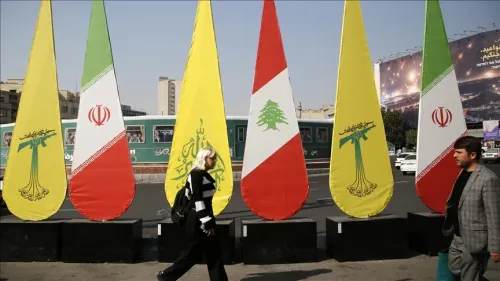
Ayatollah Sayyid Mojtaba Hosseini Khamenei described Iran's support for Hezbollah as a 'strategic mandate' in a letter dated 26 July to Secretary-General Sheikh Naim Qassem .
Khamenei praised Hezbollah for standing 'like an unyielding rock' against what he called Israel's 'savage aggression'.
In a separate message, Khamenei accused the US of violating a peace MoU signed on 18 June by President Masoud Pezeshkian and Donald Trump , calling Trump's signature 'worthless and invalid'.
Khamenei warned that continued US 'warmongering' would bring 'unforgettable lessons' from Iran and the 'resistance front'.
The MoU had set a 60-day window for formal Iran-US negotiations toward a final agreement.
Iranian Supreme Leader Ayatollah Sayyid Mojtaba Hosseini Khamenei on Sunday, 26 July formally described Iran's backing of Hezbollah as a 'strategic mandate', making the declaration in a personal letter to the group's Secretary-General Sheikh Naim Qassem, according to Iranian state media. The letter, a response to Qassem's own message of allegiance, signals Tehran's continued ideological and political commitment to the Lebanese militant organisation even as regional tensions remain elevated.
What Khamenei Said
In the letter, Khamenei praised Hezbollah for standing 'like an unyielding rock' against what he characterised as Israel's 'savage aggression'. He grounded Iran's position in the legacy of the late Supreme Leader, writing: 'In line with the policy set by the great martyred Leader of the Islamic Revolution, Imam Sayyid Ali Khamenei (may God be pleased with him), the Islamic Republic of Iran considers the defence of these oppressed yet powerful mujahideen to be its strategic mandate.' He further described Qassem's letter as worthy of 'praise and honour'.
Khamenei's Broader Warning to Washington
The Hezbollah letter was not Khamenei's only high-profile communication in recent days. In a separate message to the Iranian people, he sharply criticised the United States over what he called repeated violations of a peace memorandum of understanding (MoU) signed on 18 June between Iranian President Masoud Pezeshkian and US President Donald Trump. Khamenei said the violations 'once again proved to everyone the fact that how worthless and invalid the US President's signature is.' He further charged that the US had 'once again revealed its true and unmasked face', calling its conduct 'another solid proof of the US lying and its illogical, unreliable, and evil nature.'
Khamenei also issued a direct warning, stating that if Washington continued what he described as warmongering and attempted to impose higher costs on Iran, it should expect 'unforgettable lessons' from Iran and what he termed the 'resistance front'.
Context: The Iran-US MoU and Regional Tensions
The MoU, signed on 18 June, had set a framework under which Iran and the US were expected to hold formal negotiations within 60 days toward a final agreement. However, according to reports, US actions since the signing have been characterised by Tehran as violations of the accord's spirit, deepening mutual distrust. This comes amid a broader climate of heightened regional tensions, with Hezbollah's role in the conflict with Israel remaining a central flashpoint.
Significance of the 'Strategic Mandate' Declaration
Notably, framing support for Hezbollah as a 'strategic mandate' rather than a political or religious choice is a deliberate escalation in language. It positions Iran's backing of the group as a non-negotiable state policy — not subject to diplomatic bargaining — at a moment when international pressure on both Tehran and Hezbollah has intensified. Critics argue that such declarations make any US-Iran diplomatic process significantly harder to sustain.
With the 60-day negotiation window under the MoU running down and Khamenei's rhetoric hardening, the coming weeks will be critical in determining whether any substantive Iran-US dialogue can survive the current impasse.
Point of View
Suggesting Tehran is signalling that its 'resistance axis' commitments are not on the table in any negotiation. Mainstream coverage tends to treat Khamenei's rhetoric as boilerplate; what deserves more scrutiny is whether the 60-day MoU window can survive this kind of parallel signalling. If Iran is simultaneously negotiating with Washington and publicly doubling down on Hezbollah, one of those tracks will have to yield — and history suggests it will not be the ideological one.
NationPress
25 Oct 2026
Frequently Asked Questions
What did Khamenei mean by calling Hezbollah support a 'strategic mandate'?
Khamenei used the phrase 'strategic mandate' in a letter to Hezbollah chief Sheikh Naim Qassem to describe Iran's backing of the group as a core, non-negotiable state policy rooted in the legacy of the late Supreme Leader. It signals that Iran's support for Hezbollah is not a matter of political convenience but a defined national commitment.
Who is the current Supreme Leader of Iran mentioned in this letter?
The letter was written by Ayatollah Sayyid Mojtaba Hosseini Khamenei, Iran's current Supreme Leader. He referenced the 'martyred' former Supreme Leader Imam Sayyid Ali Khamenei as the originator of the policy of supporting Hezbollah.
What is the Iran-US MoU and why is Khamenei criticising it?
The MoU is a peace memorandum of understanding signed on 18 June by Iranian President Masoud Pezeshkian and US President Donald Trump, intended to open a 60-day negotiation window toward a final agreement. Khamenei has accused the US of violating it, saying the breaches prove Trump's signature is 'worthless and invalid'.
What warning did Khamenei issue to the United States?
Khamenei warned that if the US continued what he described as warmongering and sought to impose higher costs on Iran, it should expect 'unforgettable lessons' from Iran and the broader resistance front. He made the remarks in a message to the Iranian people carried by Iranian state media.
How does this development affect Iran-US diplomatic talks?
The hardening rhetoric complicates the 60-day negotiation framework established under the June MoU. With Khamenei publicly reaffirming Hezbollah ties and attacking US credibility, analysts suggest any substantive diplomatic progress faces significant headwinds in the weeks ahead.