Supreme Leader Khamenei Calls for Sapling Planting to Honor War Victims
Synopsis
In a poignant message, Iran's Supreme Leader urges the nation to plant saplings to honor those lost in US-Israeli strikes, symbolizing hope and resilience. This call comes on the eve of Nature Day, emphasizing national unity against common foes.
Key Takeaways
Khamenei calls for sapling planting to honor war victims.
The initiative aims to symbolize hope and national unity.
Nature Day is celebrated on April 2.
Iran's leadership condemns the actions of the US and Israel.
President Pezeshkian emphasizes peaceful relations with other nations.
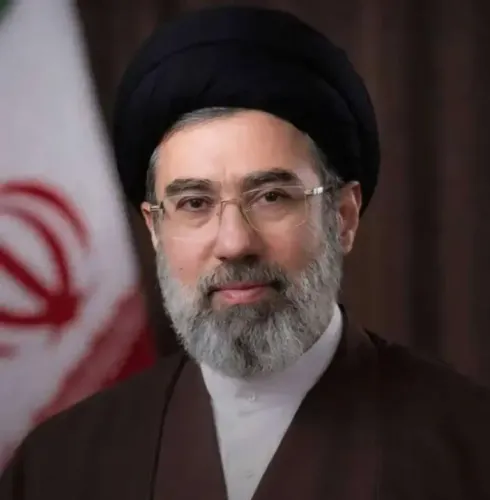
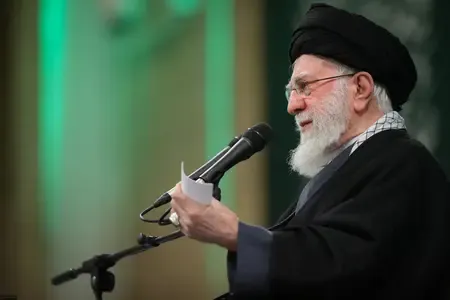
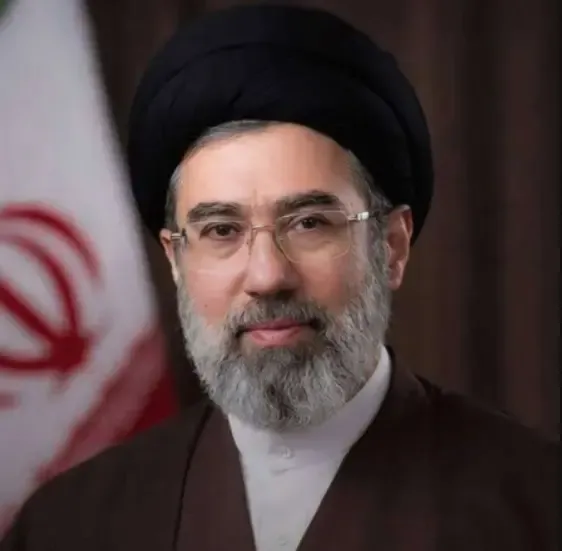
Tehran, April 2 (NationPress) Iran's Supreme Leader Mojtaba Khamenei has urged the Iranian populace to engage in planting saplings as a tribute to those who lost their lives in the recent US-Israeli strikes. This initiative serves as a beacon of hope, prosperity, and a national stand against perceived enemies.
In a statement made on Wednesday, coinciding with the 47th anniversary of the Islamic Republic of Iran, Khamenei highlighted the upcoming celebration of Sizdah Bedar, or Nature Day, which marks the conclusion of the Nowruz festivities on April 2, as reported by Xinhua via the official IRNA news agency.
Khamenei acknowledged the bravery of the Iranian citizens in their battles against the United States and Israel, asserting that these ruthless foes exhibit unrestrained brutality, even inflicting harm on Iran's environment through their assaults.
He encouraged communities across Iran's cities and villages to collaborate with relevant state organizations to continue the tree-planting campaign from Nature Day until the arrival of summer on June 21.
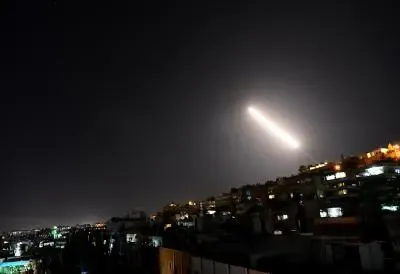
On February 28, Israel and the United States executed coordinated attacks on Tehran and several Iranian cities, resulting in the deaths of former Supreme Leader Ali Khamenei, alongside senior military figures and civilians. In retaliation, Iran launched extensive missile and drone strikes targeting US and Israeli interests in the Middle East.
Meanwhile, Iranian President Masoud Pezeshkian expressed that the Iranian people do not harbor animosity toward American citizens, placing the blame on the US administration for acting as a proxy for Israel.
In a letter directed to the American populace, Pezeshkian elaborated on Iran's stance regarding the ongoing conflict with the US and Israel, as reported by the Xinhua news agency. He stated, "The Iranian community holds no hostility towards other nations, including the American people, Europeans, or neighboring countries," asserting that despite facing numerous foreign interventions and pressures throughout their history, Iranians have always made a distinction between governing bodies and their citizens.
Pezeshkian reaffirmed that Iran has never pursued aggression or colonialism in its modern history, despite enduring occupations and invasions by global powers.
He characterized the portrayal of Iran as a threat as a narrative constructed by Israel to distract from its actions against the Palestinians.
Pezeshkian underscored the significance of the US military presence around Iran, emphasizing that ongoing US actions from these bases illustrate the real threats posed by such a military footprint.
In reaction to US President Donald Trump's warnings of potential large-scale strikes on Iranian energy installations, Pezeshkian stated that targeting essential infrastructure directly impacts the Iranian populace, branding such acts as war crimes with repercussions reaching beyond Iran's borders.
He asserted that the United States has entered into conflict with Iran as a proxy for Israel, driven by the latter's interests, adding that Israel aims to engage Iran "to the last American soldier and the last taxpayer dollar" in pursuit of its illegitimate goals.
Pezeshkian posed a critical question: "Is 'America First' genuinely a priority for the US government today?" He concluded by stating that the world stands at a crossroads, faced with the choice of confrontation or engagement.
Point of View
This call to action by Iran's Supreme Leader highlights the importance of unity and resilience among the Iranian people in the face of adversity. It showcases a commitment to environmental stewardship while addressing geopolitical tensions.
NationPress
19 Sept 2026
Frequently Asked Questions
What does the Supreme Leader's message entail?
He encourages the Iranian populace to plant saplings as a tribute to war victims and a symbol of hope.
When is Nature Day celebrated?
Nature Day, known as Sizdah Bedar, marks the end of the Nowruz holidays and falls on April 2.
What recent events prompted this message?
The message follows the US-Israeli strikes that resulted in significant casualties in Iran.
What stance did Iran's President take regarding the US?
He stated that the Iranian people do not harbor animosity towards the American people, blaming the US administration's actions.
What does Pezeshkian say about Iran's historical stance?
He insists that Iran has never pursued aggression or colonialism despite facing foreign interventions.