Lamichhane meets PM Modi, pushes new era in Nepal-India ties
Synopsis
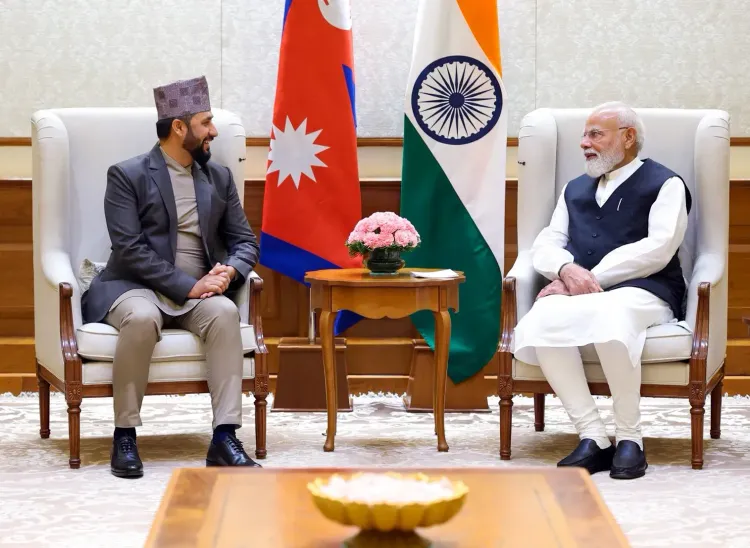
Nepal's RSP chief Rabi Lamichhane walked out of a one-on-one with PM Modi pitching a ‘new era of development diplomacy' — a striking shift for a party that's barely a few years old. With PM Balendra Shah's Delhi visit still in limbo, the BJP's red-carpet welcome signals a calculated pivot toward party-to-party diplomacy in Kathmandu.
Key Takeaways
Rabi Lamichhane , RSP president, met PM Narendra Modi in New Delhi on 3 June for an hour-long discussion.
Lamichhane is on a five-day India tour starting 1 June , at the invitation of BJP chief Nitin Nabin .
PM Modi reaffirmed Nepal as a priority partner under India's ‘Neighbourhood First' policy.
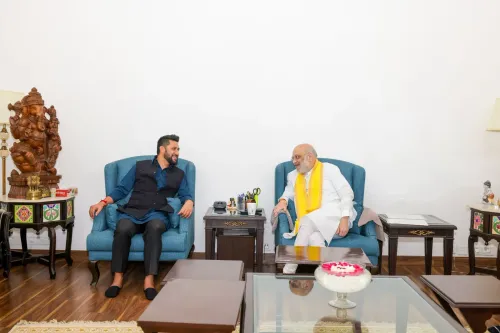
On Tuesday , Lamichhane met Home Minister Amit Shah and EAM S.
The visit comes as Nepali PM Balendra Shah's proposed India trip remains uncertain.
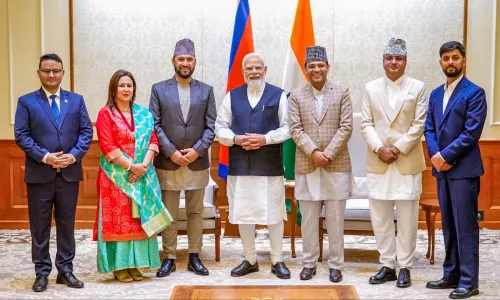
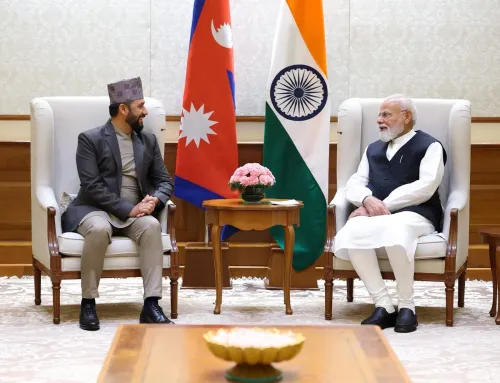
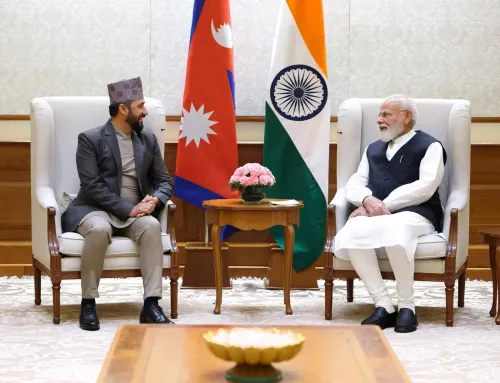
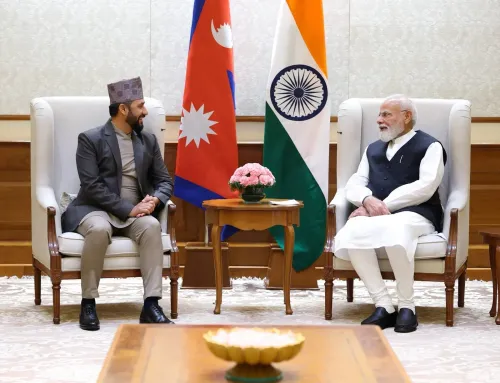
Rabi Lamichhane, President of Nepal's ruling Rastriya Swatantra Party (RSP), on Wednesday, 3 June, said Nepal and India could forge a partnership rooted in progress and mutual trust by leveraging shared civilisational bonds, digital corridors, and seamless connectivity. The remarks followed an hour-long meeting with Prime Minister Narendra Modi in New Delhi, part of Lamichhane's five-day India visit that began on 1 June.
Key Developments
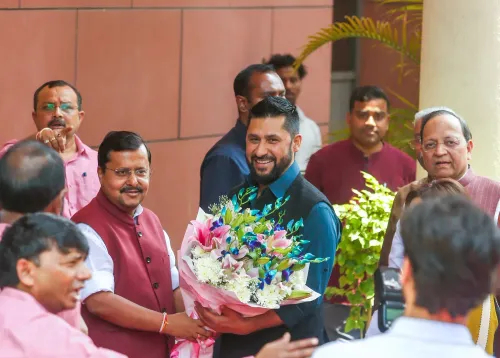
Lamichhane, who leads the largest party in Nepal's House of Representatives, is in India at the invitation of Bharatiya Janata Party (BJP) President Nitin Nabin. In a post on X after meeting the Prime Minister, he wrote, ‘I share your vision for a future where Nepal and India transcend past constraints to embrace a new era of development diplomacy.'
He added, ‘I welcome and fully share his desire to work closely together for a shared and prosperous future,' signalling that the RSP intends to translate the conversation into tangible cooperation for citizens of both nations.
What PM Modi Said
PM Modi underlined that Nepal is a priority partner under India's ‘Neighbourhood First' policy, adding that New Delhi looks forward to working with the new dispensation in Kathmandu to elevate the special and multifaceted relationship to greater heights.
Wider Engagement in Delhi
On Tuesday, Lamichhane held separate meetings with Home Minister Amit Shah, External Affairs Minister S. Jaishankar, and BJP chief Nabin, among other senior leaders. Discussions reportedly centred on deep-rooted civilisational links, development partnership, and people-to-people ties.
Why the Visit Matters
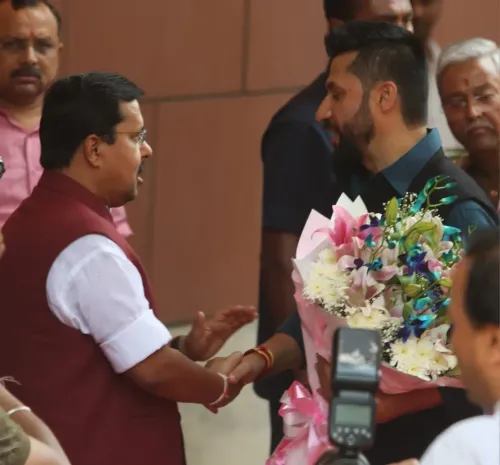
The outreach comes at a delicate juncture, with the proposed India visit of Nepali Prime Minister Balendra Shah still uncertain. By rolling out a high-profile reception for the RSP chief, the BJP appears to be establishing party-to-party relations with Nepal's newly emerged largest parliamentary bloc — a notable departure from its traditional engagement channels in Kathmandu.
Expert View
Prem Raj Khanal, Assistant Professor at the Central Department of International Relations and Diplomacy at Tribhuvan University, said the visit was important in building leader-to-leader personal rapport, which could prove crucial in unlocking pending bilateral issues. ‘This visit should now usher in engagement between the two sides to address pending issues, including border disputes,' he said in reports.
What's Next
Diplomatic watchers will track whether the goodwill translates into structured dialogue on long-standing irritants — including boundary questions, hydropower cooperation, and cross-border connectivity. The coming weeks could indicate whether the RSP's Delhi outreach reshapes Kathmandu's bilateral playbook.
Point of View
New Delhi is hedging by cultivating Nepal's youngest mainstream force directly. The risk: party-to-party diplomacy can complicate government-to-government channels if not carefully sequenced. The opportunity: a generational reset with leaders unburdened by the baggage of the 2015 blockade and the Kalapani dispute.
NationPress
20 Sept 2026
Frequently Asked Questions
Who is Rabi Lamichhane and why did he meet PM Modi?
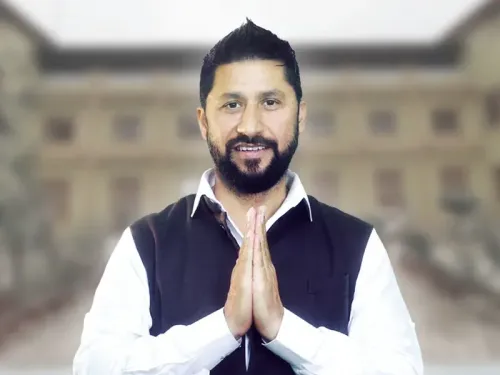
Rabi Lamichhane is the president of Nepal's Rastriya Swatantra Party (RSP), the largest party in Nepal's House of Representatives. He met PM Modi in New Delhi on 3 June during a five-day India visit aimed at strengthening bilateral and party-to-party ties.
What did PM Modi say about Nepal during the meeting?
PM Modi reiterated that Nepal is a priority partner under India's ‘Neighbourhood First' policy. He said New Delhi looks forward to working with Nepal's new government to take the special and multifaceted relationship to greater heights.
Why is this visit significant for India-Nepal relations?
The visit signals India's outreach to Nepal's newly emerged largest parliamentary party at a time when PM Balendra Shah's proposed India trip remains uncertain. It also opens a direct party-to-party channel between the BJP and the RSP.
Which other Indian leaders did Lamichhane meet?
On Tuesday, Lamichhane met Home Minister Amit Shah, External Affairs Minister S. Jaishankar, and BJP chief Nitin Nabin, among others. Discussions focused on civilisational bonds, development partnership, and people-to-people ties.
What pending issues could this visit help address?
Experts have flagged border disputes as a key pending issue. According to Tribhuvan University's Prem Raj Khanal, the visit could help establish leader-to-leader rapport crucial for unlocking long-standing bilateral concerns.