RSP chief Rabi Lamichhane visits India on June 1-2 amid Nepal-India tensions
Synopsis
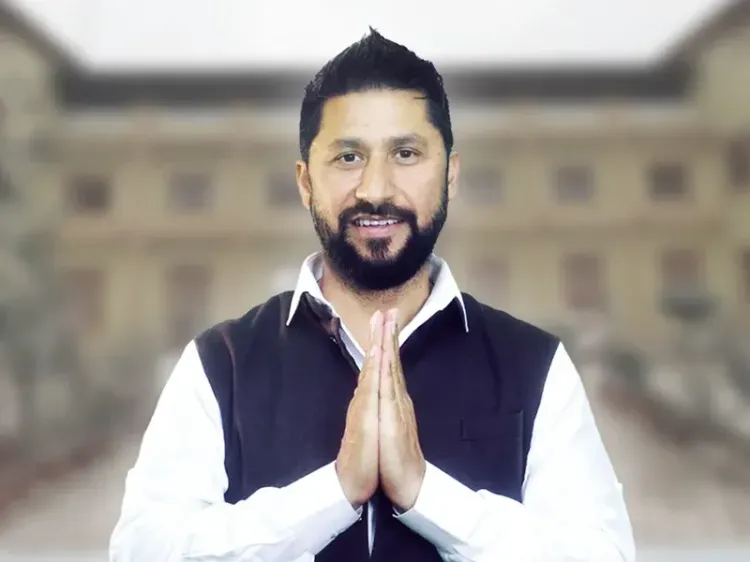
RSP chief Rabi Lamichhane lands in New Delhi on June 1 for meetings with PM Modi and EAM Jaishankar — a party-to-party diplomatic move that arrives as Nepal-India ties face their sharpest friction in years, with a border row over Lipulekh, duelling trade irritants, and PM Balendra Shah's own India visit still on hold.
Key Takeaways
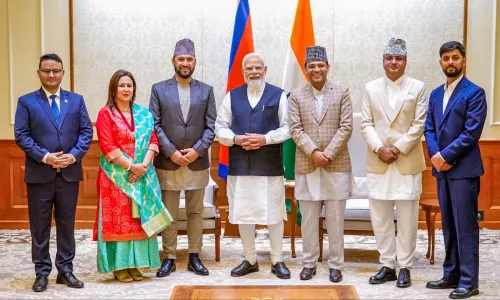
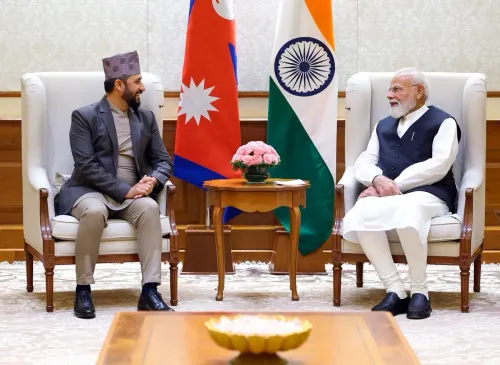
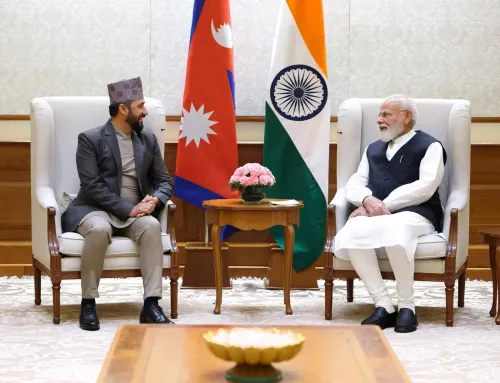
Rabi Lamichhane , President of Nepal's ruling RSP , is visiting New Delhi on 1-2 June at the invitation of BJP National President Nitin Nabin .
He is scheduled to meet Prime Minister Narendra Modi and External Affairs Minister S.
The visit comes amid strained Nepal-India ties over the disputed Lipulekh route to Kailash Mansarovar and trade-related frictions.
Nepal's PM Balendra Shah , appointed on 27 March , has not yet confirmed his own visit to India, reportedly waiting until he completes 100 days in office.
Indian Foreign Secretary Vikram Misri 's planned Nepal visit on 11 May was abruptly cancelled, further clouding bilateral ties.
The RSP , formed in 2022 , holds nearly a two-thirds majority in Nepal's lower house and leads the country's first 'Gen-Z backed' government.
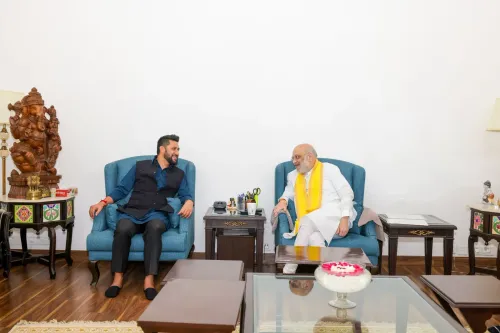
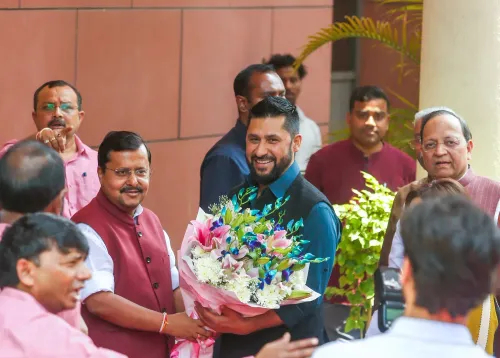
Rabi Lamichhane, President of Nepal's ruling Rastriya Swatantra Party (RSP), is scheduled to visit New Delhi on 1-2 June, at the invitation of Bharatiya Janata Party (BJP) National President Nitin Nabin. The two-day visit comes at a diplomatically sensitive moment, as bilateral ties between Kathmandu and New Delhi face visible strain over border disputes, trade frictions, and a series of high-profile diplomatic cancellations.
Who Lamichhane Will Meet
During his New Delhi visit, Lamichhane is scheduled to meet Prime Minister Narendra Modi and External Affairs Minister S. Jaishankar, in addition to BJP's national president. Manish Jha, RSP spokesperson, confirmed the visit but said full details would be announced on Monday. Notably, neither side has issued a formal announcement ahead of the trip.
Why the Visit Matters Now
The Lamichhane visit takes on added significance given the uncertain timeline of Prime Minister Balendra Shah's own visit to India — formally invited by Modi but not yet scheduled. A senior RSP leader said Shah is not keen to travel abroad until he completes at least 100 days in office; he was appointed on 27 March. Nepal's Foreign Ministry has said the visit will proceed only after pending bilateral issues are resolved at the bureaucratic level.
This comes amid a broader BJP strategy of prioritising party-to-party diplomacy alongside state-level bilateral ties — a pattern seen in previous visits by Nepali political leaders to New Delhi at the BJP's invitation.
The Fault Lines in Nepal-India Relations
Several recent developments have strained the relationship. Nepal lodged formal protests with both India and China after the two countries announced in early May that Indian pilgrims would access Kailash Mansarovar via the disputed Lipulekh region without Kathmandu's consent. Both nations claim sovereignty over the Lipulekh, Kalapani, and Limpiyadhura regions, which are currently under India's effective control.
Trade irritants have also mounted. India reportedly raised concerns over Nepal's stricter enforcement of customs duties on goods worth more than Rs 100 brought from India — a rule Nepal says is meant to curb smuggling, and which is currently stayed by an interim order from Nepal's Supreme Court. Separately, India's earlier requirement for mandatory laboratory testing of every shipment of Nepali tea entering India adversely affected Nepal's tea exports; the rule has since been amended to apply only to tea destined for re-export.
The abrupt cancellation of Indian Foreign Secretary Vikram Misri's planned visit to Nepal on 11 May further deepened concerns. Shah reportedly declined to meet Misri even before the trip was called off. Shah has also not met Sergio Gor, Special Envoy of US President Donald Trump, or Samir Paul Kapur, the US Assistant Secretary of State for South and Central Asian Affairs, citing strict protocol.
Expert View on RSP's Diplomatic Posture
Former Nepali ambassador to India Lok Raj Baral, who also served as a professor of political science at Tribhuvan University, said it was natural for India to seek good relations with a party that had secured a significant mandate. 'The RSP president's visit can provide an opportunity to build political understanding between the two sides, although thorny bilateral issues may remain unresolved,' he said.
Baral cautioned, however, that rigid adherence to protocol and a policy of equidistance were misguided. 'Whether to meet foreign dignitaries should be guided by national interest rather than protocol,' he said. 'The policy of equidistance may sound appealing in principle, but in practice it is difficult given the scale and complexity of Nepal's multifaceted relationship with India compared to its ties with other countries.'
What to Watch Next
The RSP, formed only in 2022, has secured nearly two-thirds majority in Nepal's lower house and leads what has been described as the country's first 'Gen-Z backed' government. How it navigates foreign policy — particularly with India — will be closely watched. Prime Minister Shah has publicly committed to pursuing relations with all countries on the basis of equidistance, though critics argue this is difficult to sustain given the depth of Nepal-India interdependence. Lamichhane's New Delhi visit may offer the first substantive signal of where that balance lands.
Point of View
Shah's deliberate protocol-first posture, and the Lipulekh flashpoint together suggest Kathmandu is signalling its own leverage, however asymmetric. The risk for New Delhi is that party-to-party diplomacy, while useful, cannot substitute for the hard bilateral agenda — border demarcation, trade normalisation, and the terms of Nepal's equidistance policy — that only a PM-level visit can advance. Lamichhane's meetings will reveal whether the RSP is willing to separate its political relationship with the BJP from the unresolved structural irritants between the two states.
NationPress
27 Sept 2026
Frequently Asked Questions
Why is RSP chief Rabi Lamichhane visiting India in June 2025?
Rabi Lamichhane is visiting New Delhi on 1-2 June at the invitation of BJP National President Nitin Nabin, for meetings with Prime Minister Narendra Modi and External Affairs Minister S. Jaishankar. The visit is part of the BJP's broader strategy of maintaining party-to-party ties with ruling parties in neighbouring countries, alongside formal state-level diplomacy.
What are the current tensions between Nepal and India?
Nepal-India relations are under strain on multiple fronts. Nepal protested India and China's announcement in early May that Indian pilgrims would access Kailash Mansarovar via the disputed Lipulekh region without Nepal's consent. Trade frictions over Nepal's customs enforcement on Indian goods and India's mandatory testing rules for Nepali tea have also created friction, though both issues have since seen partial resolution.
Why has Nepal's PM Balendra Shah not yet visited India?
A senior RSP leader said Shah is not keen to undertake a foreign visit until he completes at least 100 days in office — he was appointed on 27 March. Nepal's Foreign Ministry has also said the visit should follow bureaucratic-level discussions on pending bilateral issues, to ensure the trip is substantively productive.
What is the Lipulekh dispute between Nepal and India?
Lipulekh, along with Kalapani and Limpiyadhura, is a territory claimed by both Nepal and India and currently under India's effective control. Nepal strongly objected when India and China announced in early May that Indian pilgrims would use the Lipulekh route to Kailash Mansarovar without Kathmandu's approval, sending formal notes of protest to both countries.
What is the Rastriya Swatantra Party (RSP) of Nepal?
The Rastriya Swatantra Party (RSP) is a relatively new Nepali political party, founded in 2022, that has secured nearly two-thirds majority in Nepal's House of Representatives. It leads what has been described as Nepal's first 'Gen-Z backed' government, with Balendra Shah as Prime Minister.