Mandaviya Spotlights Khelo India Sports Goods Manufacturing Scheme
Synopsis
Union Sports Minister Mansukh Mandaviya has spotlighted PM Modi's new Khelo India Sports Goods Manufacturing Scheme, sharing a YUVA Roundtable where young Indian manufacturers voice enthusiasm for India's bid to become a global sports equipment producer.
Key Takeaways
Union Sports Minister Mansukh Mandaviya posted on X on 12 November 2026 promoting the new Khelo India Sports Goods Manufacturing Scheme .
The minister linked to a 'YUVA Roundtable' video featuring young manufacturers discussing the scheme's potential.
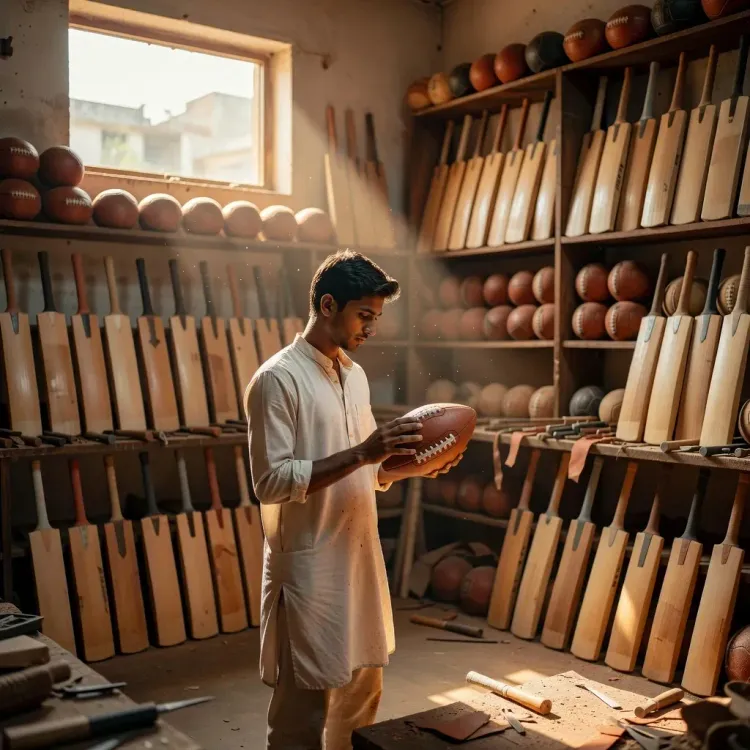
The scheme aims to position India as a global producer of sports goods, not merely a consumer.
It builds on the original Khelo India programme (launched 2017) and the Make in India initiative (2014) under the Atmanirbhar Bharat framework.
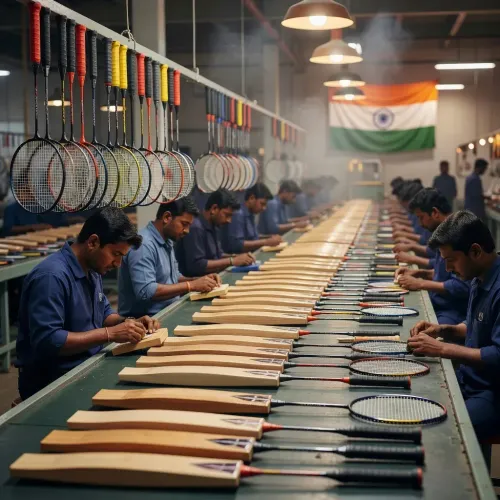
India's sports goods clusters, particularly in Jalandhar, Punjab , are a major existing manufacturing base with significant employment potential.
Specific scheme provisions, incentives, and launch timelines have not yet been officially detailed.
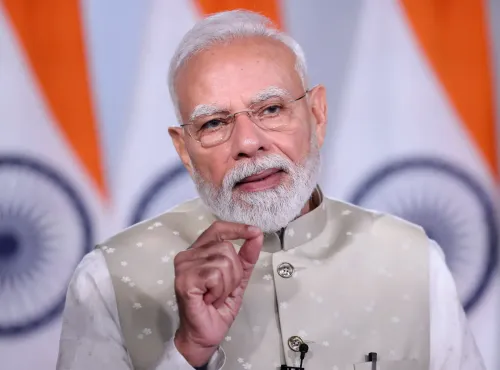
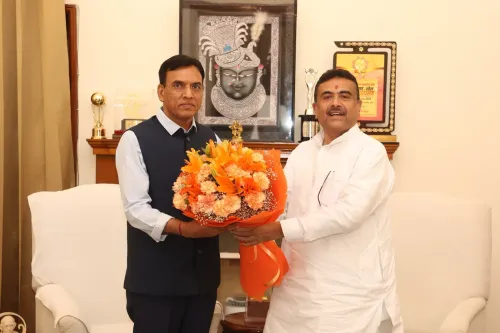
Young Indian manufacturers are speaking up — and Union Labour and Sports Minister Mansukh Mandaviya wants the country to hear them. On Thursday, 12 November 2026, Mandaviya took to X to amplify the buzz around Prime Minister Narendra Modi's new Khelo India Sports Goods Manufacturing Scheme, directing followers to a 'YUVA Roundtable' where young manufacturers shared their excitement directly.
Posting in Hindi, Mandaviya posed the question that is clearly resonating inside the sports ministry: 'आखिर प्रधानमंत्री श्री @narendramodi जी की नई Khelo India Sports Goods Manufacturing Scheme को लेकर देश के युवा इतने उत्साहित क्यों हैं?' — 'Why are the country's youth so enthusiastic about PM Modi's new Khelo India Sports Goods Manufacturing Scheme?' He framed it as a potential turning point: a fresh opportunity to earn India a global identity in sports equipment production.
From Consumer to Competitor: The Manufacturing Ambition
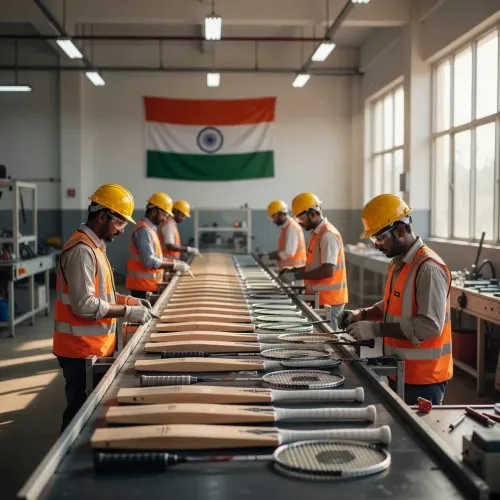
India's sports goods sector has long punched below its weight on the global stage despite having a skilled, cost-competitive labour force. The new scheme appears designed to change that arithmetic by embedding sports manufacturing within the broader Atmanirbhar Bharat (self-reliant India) framework — the same logic that has driven policy in electronics, defence, and textiles over the past decade.
The original Khelo India programme, launched in 2017, focused on grassroots talent identification, sports infrastructure, and participation. Layering a manufacturing incentive on top of that architecture is a significant evolution: it signals that the government now wants India to supply the world's playing fields, not just fill them with athletes.
The YUVA Roundtable: Why Young Manufacturers Are the Story
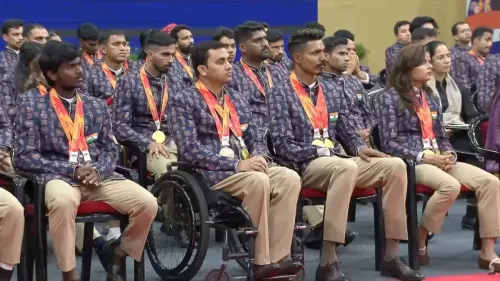
The minister's post links to a 'YUVA Roundtable' video — a format that bypasses press statements and puts real voices at the centre. By featuring young manufacturers rather than officials, the ministry is making a deliberate political and communicative choice: show the demand, then justify the scheme.
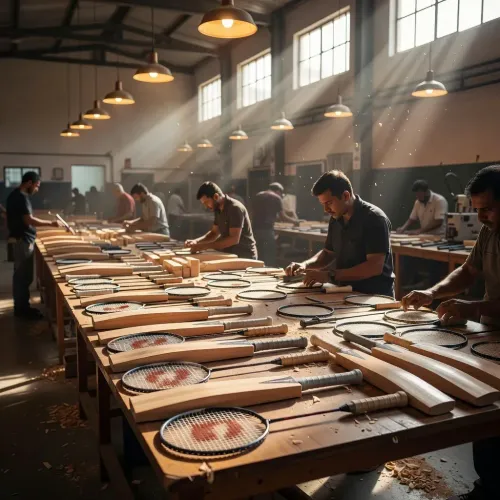
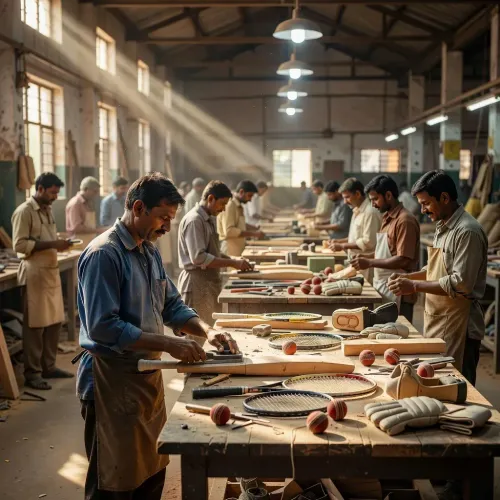
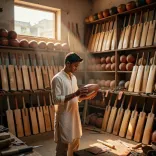
That framing matters. India's sports goods clusters — most notably in Jalandhar, Punjab, which supplies a significant share of the world's cricket, hockey, and football equipment — employ hundreds of thousands of workers, many of them young. Any scheme that credibly ties domestic manufacturing incentives to this ecosystem has job-creation stakes well beyond the sporting arena.
Make in India Meets Khelo India
The convergence of Make in India (announced 2014) with the Khelo India brand is not accidental. The Modi government has consistently sought to link sports promotion with manufacturing self-reliance, arguing that a country serious about winning medals must also be serious about making the equipment athletes train with. The new scheme appears to be the most direct institutional expression of that argument yet.
Specific provisions, incentive structures, and eligibility criteria for the scheme have not yet been publicly detailed — the roundtable itself may be part of a pre-launch consultation or awareness push ahead of a formal announcement. What is clear is that the ministry is building public momentum deliberately, letting youth enthusiasm do the communicating.
The question Mandaviya posed online has an obvious answer the government is counting on: when a scheme promises jobs, global reach, and a role in building India's sporting future, enthusiasm is not hard to find. Whether the fine print delivers on that promise is the story to watch.
Point of View
The ministry is using bottom-up youth voices to build political legitimacy for a top-down policy before its full details are even public. This mirrors the government's broader communications playbook: generate grassroots enthusiasm first, announce specifics second. The scheme's real test will be whether incentives are structured to benefit existing small-cluster manufacturers in places like Jalandhar or primarily channel benefits to larger industrial players.
NationPress
12 Nov 2026
Frequently Asked Questions
What is the Khelo India Sports Goods Manufacturing Scheme?
It is a new initiative under PM Narendra Modi's Khelo India programme aimed at boosting domestic production of sports equipment and positioning India as a global manufacturer of sports goods. Specific provisions and incentive details have not yet been fully announced.
What did Mansukh Mandaviya say about the scheme on X?
On 12 November 2026, Mandaviya posted in Hindi asking why young Indians are so excited about the scheme and framing it as an opportunity for India to gain global recognition in sports goods manufacturing. He directed followers to a YUVA Roundtable featuring young manufacturers.
What is the YUVA Roundtable mentioned by Mandaviya?
The YUVA Roundtable is a video format shared by the Sports Ministry where young manufacturers speak directly about the Khelo India Sports Goods Manufacturing Scheme and their enthusiasm for it.
How does this scheme connect to Make in India and Atmanirbhar Bharat?
The scheme is rooted in the Atmanirbhar Bharat (self-reliant India) framework, linking the 2014 Make in India initiative and the 2017 Khelo India programme to create jobs and reduce India's dependence on imported sports equipment.
Which parts of India are major sports goods manufacturers?
Jalandhar in Punjab is India's most significant sports goods manufacturing hub, producing a large share of the world's cricket, hockey, and football equipment, and would be a key beneficiary of any such scheme.