RSP chief Lamichhane likely to visit New Delhi in June as Nepal PM Shah's India trip stalls
Synopsis
With Nepal PM Balendra Shah in no hurry to visit India, it is RSP chief Rabi Lamichhane who is set to travel to New Delhi in early June — carrying a bilateral relationship weighed down by the Lipulekh sovereignty row, tea-export disputes, a customs standoff, and the abrupt cancellation of Foreign Secretary Misri's Nepal trip. The visit is as much a diplomatic temperature check as it is a political overture.
Key Takeaways
RSP President Rabi Lamichhane is likely to visit New Delhi in the first week of June , though the visit is not yet officially confirmed.
Nepal PM Balendra Shah , appointed on 27 March , is reportedly waiting to complete 100 days in office before undertaking foreign visits, leaving his India trip uncertain.
Nepal protested India and China's announcement allowing pilgrims to access Kailash Mansarovar via the disputed Lipulekh route in early May .
Indian Foreign Secretary Vikram Misri's planned Nepal visit on 11 May was abruptly cancelled, adding to bilateral unease.
Trade frictions — over Nepal's customs enforcement and India's mandatory tea-testing rule — have since been partially resolved through court intervention and policy amendment.
Former ambassador Lok Raj Baral cautioned that Shah's strict protocol stance and equidistance doctrine are difficult to sustain given the depth of Nepal-India ties.
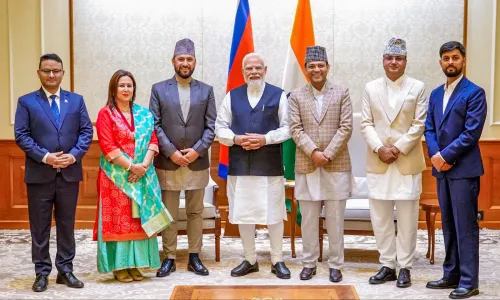
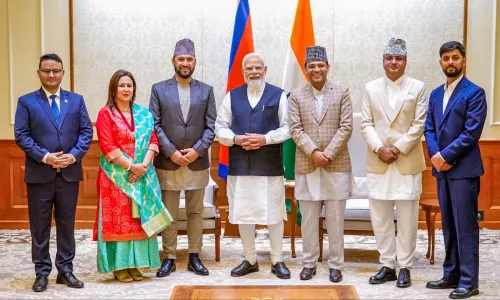
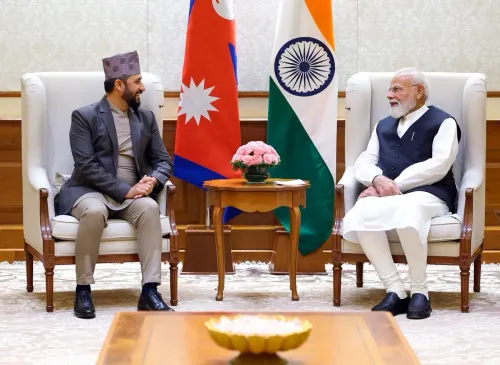
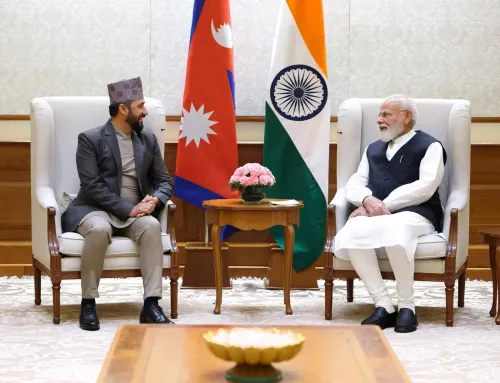
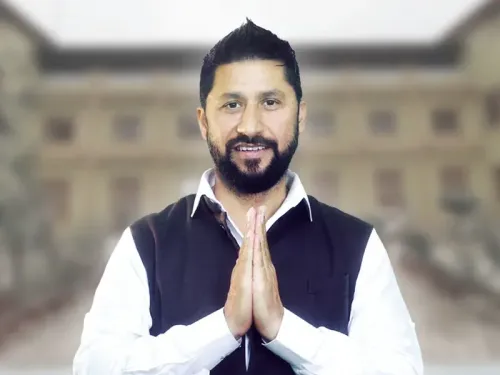
Rabi Lamichhane, President of Nepal's ruling Rastriya Swatantra Party (RSP), is expected to visit New Delhi in the first week of June, even as the proposed official visit of Prime Minister Balendra Shah to India remains uncertain. The development, reported on 27 May, signals an attempt to maintain political-level engagement between the two neighbours at a time of mounting bilateral friction.
Lamichhane's Planned New Delhi Visit
RSP spokesperson Manish Jha confirmed that Lamichhane is likely to travel to New Delhi, though neither side has made a formal announcement. 'It is yet to be officially decided, but we will make an announcement in the next few days on the matter,' Jha said. Several RSP leaders noted the visit had not been formally discussed within the party, but described a ruling party chief's engagement with a neighbouring country as a natural development.
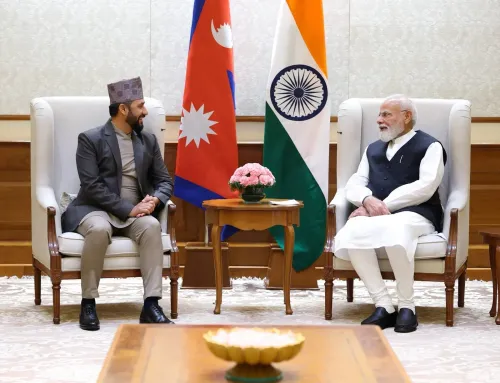
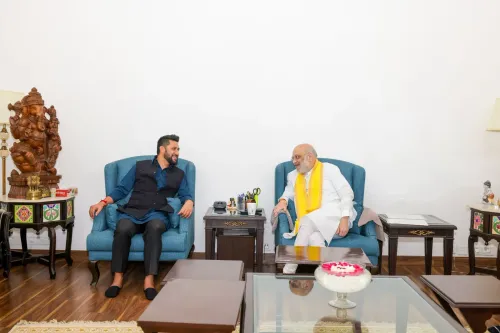
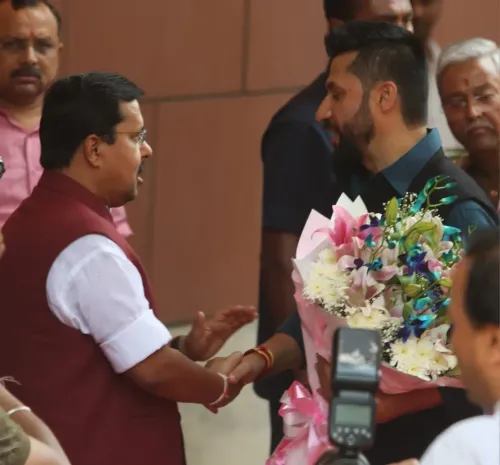
According to The Kathmandu Post, citing sources, Lamichhane is scheduled to meet a high-level slate of Indian officials including Prime Minister Narendra Modi, External Affairs Minister S. Jaishankar, National Security Advisor Ajit Doval, Minister of Road Transport and Highways Nitin Gadkari, Foreign Secretary Vikram Misri, and Bharatiya Janata Party (BJP) President Nitin Nabin.
Why PM Shah's India Visit Remains Uncertain
Prime Minister Balendra Shah, who was appointed on 27 March, is reportedly not keen on undertaking foreign visits until he completes at least 100 days in office. Though PM Modi formally extended an invitation, Shah has not shown urgency to act on it. Nepal's Foreign Ministry has indicated that Shah's New Delhi visit would proceed only after pending bilateral issues are worked through at the bureaucratic level and sufficient groundwork is laid for a substantive outcome.
The Bilateral Friction in the Background
Lamichhane's visit comes against a backdrop of several irritants in India-Nepal ties. Nepal lodged formal protests with both India and China after the two countries announced in early May that Indian pilgrims would access Kailash Mansarovar via the Lipulekh route — a region Nepal claims as its own. Nepal, India, and the disputed Kalapani and Limpiyadhura areas remain a long-standing sovereignty flashpoint, with India currently exercising effective control.
Trade disputes have also surfaced. India raised concerns over Nepal's stricter enforcement of customs duties on goods worth more than NPR 100 brought across the border, which hurt Indian traders dependent on Nepali customers. Nepal's government maintained the move was aimed at curbing smuggling; a subsequent Supreme Court of Nepal interim order has stayed the enforcement. Separately, India's earlier requirement for mandatory laboratory testing of every Nepali tea shipment entering India dented Nepal's tea exports, though the rule has since been amended to apply only to tea destined for re-export through India.
Adding to the unease, Foreign Secretary Misri's planned visit to Nepal on 11 May was abruptly cancelled, raising further questions about the trajectory of the relationship. Shah reportedly declined to receive Misri ahead of that trip. He had also not met Sergio Gor, Special Envoy of US President Donald Trump for South and Central Asia, or Samir Paul Kapur, the US Assistant Secretary of State for South and Central Asian Affairs, during their respective visits in April.
What RSP Leaders and Analysts Say
Prakash Chandra Pariyar, a central committee member and lawmaker of the RSP, said the planned visit should be read positively. 'The planned visit by our president, although not yet officially confirmed, should be viewed positively as it provides an opportunity to discuss bilateral issues,' he said, adding that both sides could be expected to raise issues of mutual concern.
Former Nepali ambassador to India Lok Raj Baral said it was natural for India to seek strong ties with a party that had earned a significant electoral mandate. 'The RSP President's visit can provide an opportunity to build political understanding between the two sides, although thorny bilateral issues may remain unresolved,' he said. Baral, who also served as a professor of political science at Tribhuvan University, cautioned against rigid protocol and the equidistance doctrine. 'Whether to meet foreign dignitaries should be guided by national interest rather than protocol,' he argued, noting that the scale of Nepal's relationship with India makes a strict equidistance policy difficult in practice.
Nepal's Foreign Policy Posture Under Shah
The RSP, formed only in 2022, is a relatively new force in Nepali politics, and questions persist about how a government it leads will navigate foreign policy. Shah has repeatedly stated his government will not deviate from Nepal's long-standing foreign policy traditions and will pursue relations with all countries on the basis of equidistance. He has so far avoided bilateral meetings with foreign diplomats, though his ministers have engaged them individually, and has maintained strict protocol in meetings with foreign dignitaries.
Whether Lamichhane's New Delhi visit translates into a political reset — or merely a holding measure ahead of a formal PM-level summit — will depend on the pace at which bureaucratic-level groundwork advances on both sides.
Point of View
But they risk signalling disengagement to New Delhi at a moment when multiple bilateral irritants — Lipulekh, tea exports, customs enforcement — are already stacking up. Lamichhane's visit, if it materialises, is less a diplomatic breakthrough than a damage-limitation exercise. The real question is whether the RSP, a party barely three years old with no foreign-policy track record, can convert a round of courtesy calls into durable political capital — or whether it will simply defer the hard conversations until Shah finally makes the trip.
NationPress
26 Sept 2026
Frequently Asked Questions
Why is Rabi Lamichhane visiting India instead of Nepal's Prime Minister?
Nepal PM Balendra Shah is reportedly unwilling to travel abroad until he completes at least 100 days in office, leaving his India visit uncertain despite a formal invitation from PM Modi. RSP chief Rabi Lamichhane's planned visit in early June is seen as a way to maintain political-level engagement in the interim.
What issues are straining India-Nepal relations in 2025?
Several disputes have surfaced simultaneously: Nepal protested India and China's decision to route Kailash Mansarovar pilgrims via the disputed Lipulekh region; India raised concerns over Nepal's stricter customs enforcement on cross-border goods; and India's mandatory lab-testing rule for Nepali tea exports hurt bilateral trade. The abrupt cancellation of Foreign Secretary Vikram Misri's Nepal visit on 11 May further deepened concerns.
Who is Rabi Lamichhane expected to meet in New Delhi?
According to The Kathmandu Post, citing sources, Lamichhane is scheduled to meet PM Narendra Modi, External Affairs Minister S. Jaishankar, NSA Ajit Doval, Road Transport Minister Nitin Gadkari, Foreign Secretary Vikram Misri, and BJP President Nitin Nabin, among others.
What is Nepal's position on the Lipulekh dispute?
Nepal claims sovereignty over the Lipulekh, Kalapani, and Limpiyadhura regions, which are currently under India's effective control. Kathmandu lodged formal protests with both India and China after they announced in early May that Indian pilgrims would access Kailash Mansarovar via Lipulekh without Nepal's consent.
What is the Rastriya Swatantra Party and when was it formed?
The Rastriya Swatantra Party (RSP) is a relatively new Nepali political party, founded in 2022. It is the ruling party in Nepal's current government, led by Prime Minister Balendra Shah. As a new entrant, questions remain about how a government it leads will handle Nepal's foreign policy, particularly its complex relationship with India.