Should Trump Administration Exempt Doctors from the H-1B Fee?
Synopsis
In a pressing plea, US lawmakers advocate for the exemption of healthcare professionals from a hefty new H-1B visa fee, emphasizing that it threatens hospital operations and worsens workforce shortages, particularly in vulnerable communities. As the healthcare system faces mounting challenges, swift action is crucial to safeguard patient care.
Key Takeaways
The new H-1B visa fee for healthcare professionals is set at $100,000.
Lawmakers are urging for an exemption to prevent workforce shortages.
Rural and underserved communities may face severe impacts on healthcare access.
The current healthcare workforce is already experiencing significant shortages.
Swift action is necessary to protect patient care and hospital operations.
Washington, Jan 15 (NationPress) A coalition of US lawmakers has called on the Department of Homeland Security (DHS) to relieve healthcare providers from a newly imposed $100,000 H-1B visa fee. They caution that this policy is placing undue pressure on hospitals and may exacerbate critical workforce shortages nationwide.
In a letter addressed to Homeland Security Secretary Kristi Noem, members of the New Democrat Coalition and other legislators highlighted that the $100,000 fee, enacted under a September 19, 2025 presidential proclamation, threatens healthcare access, especially in rural and underserved areas already grappling with recruitment and retention of medical staff.
“As Members of Congress, ensuring access to healthcare is paramount,” the lawmakers articulated.
“The Proclamation dated September 19, 2025, represents a significant threat to the healthcare workforce in our regions. A diminished number of healthcare professionals leads to escalated costs, prolonged wait times, and increased travel distances for our constituents seeking necessary care. We urge the administration to avert any disruptions in care accessibility and exempt healthcare professionals from these fees,” the letter stated.
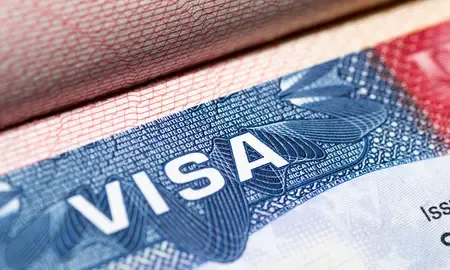
The proclamation mandates that certain H-1B visa applications submitted on or after September 21, 2025, must include an additional $100,000 payment, a steep rise from the previous $215 registry fee. Healthcare leaders indicate that this added financial burden and uncertainty are already deterring hospitals from hiring internationally trained physicians and specialists.
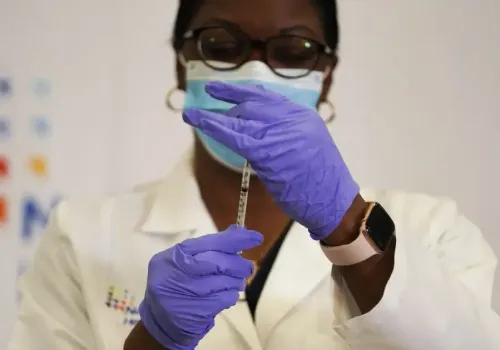
Local healthcare providers, including pediatricians from Akron Children’s Hospital, informed lawmakers that the fee complicates the recruitment of doctors, particularly in pediatrics and specialized care. They expressed concern that rural hospitals, which face infrastructural limitations, transportation issues, and a scarcity of local professionals, are particularly at risk.
“The current H-1B fee is financially unfeasible and will drastically exacerbate our workforce shortage in the coming years,” stated Dr. Shefali Mahesh, Paediatrician in Chief at Akron Children’s Hospital. “This will compel children’s hospitals to consolidate services and diminish access for the most vulnerable populations. It is in the best interest of US children to grant an exemption for H-1B fees for healthcare professionals.”
In their correspondence, the lawmakers referenced federal workforce statistics indicating that shortages are already dire. They noted estimates from the Health Resources and Services Administration suggesting that an additional 13,075 physicians are necessary to eliminate primary care shortage designations nationwide, with this shortfall projected to escalate to 87,150 by 2037. Nurses, mental health professionals, pediatric specialists, and laboratory staff are also in short supply.
The lawmakers asserted that the H-1B program does not displace US workers but rather supports the healthcare system. They highlighted that in 2024, 16,937 of approximately 400,000 approved H-1B petitions were for medical and health professionals. They maintained that losing even a small fraction of these workers would further burden hospitals already facing rising costs.
The letter also cautioned that the new fee arrives at a time when providers are encountering financial strain due to cuts to Medicaid under the “Big Ugly Law” and the expiration of enhanced Affordable Care Act premium tax credits. According to the lawmakers, rural and underserved providers, many of which are on the brink of closure, would be disproportionately affected by these additional visa expenses.
“We cannot afford to lose any more healthcare workers,” the lawmakers emphasized, reiterating their commitment to collaborating with the administration and Congress to tackle shortages and invest in the domestic workforce.
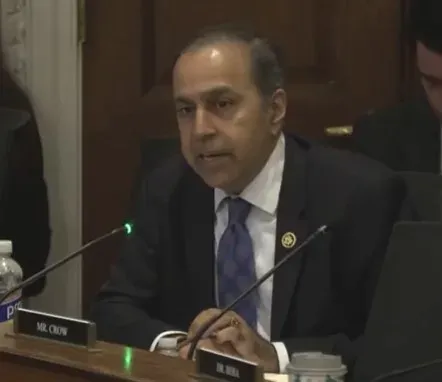
The lawmakers urged the DHS to take swift action to exempt healthcare professionals from this fee to avert further disruption to patient care across the nation. Led by Representatives Emilia Sykes and Terri Sewell, the letter garnered signatures from over two dozen members of Congress, including Representatives Raja Krishnamoorthi, Ted Lieu, Debbie Wasserman Schultz, and Kim Schrier.
Point of View
It is essential to recognize the urgency of the lawmakers' appeal regarding the H-1B visa fee for healthcare professionals. This situation not only affects hospitals’ operational capabilities but also threatens vulnerable communities' access to care. The administration must consider the long-term implications of this policy and act swiftly to protect our healthcare workforce.
NationPress
22 Sept 2026
Frequently Asked Questions
What is the new H-1B visa fee for healthcare professionals?
The new fee is $100,000, which is a significant increase from the previous $215 registry fee.
Why are lawmakers requesting an exemption for healthcare professionals?
Lawmakers argue that the fee could hinder hospitals' ability to recruit and retain essential healthcare workers, particularly in underserved areas.
What impact could this fee have on rural hospitals?
Rural hospitals may struggle more with recruitment challenges, potentially leading to reduced access to healthcare services for local communities.
How many additional physicians are needed to address primary care shortages?
According to estimates, an additional 13,075 physicians are necessary to eliminate primary care shortage designations nationwide.
What are the potential long-term effects of losing healthcare workers?
Losing healthcare workers could lead to increased costs, longer wait times, and diminished access to care for patients.