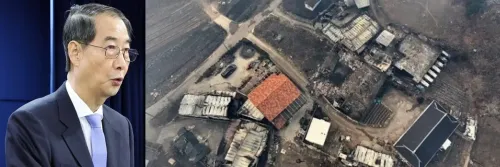
South Korea's Lee expands Tongyeong special disaster zone after 800mm floods

Synopsis
South Korea has expanded its special disaster zone designation to cover all of Tongyeong after more than 800mm of rain pounded South Gyeongsang Province in August. The move unlocks state reconstruction funds and automatic tax relief — and marks the second expansion in weeks, signalling the original response fell short of the crisis's scale.
Key Takeaways
President Lee Jae Myung designated the entire city of Tongyeong as a special disaster zone on 4 September .
More than 800 millimetres of rain struck South Gyeongsang Province , including Tongyeong and Geoje, during August .
The designation unlocks government reconstruction funding , tax cuts, and utility fee discounts for residents.
The National Tax Service (NTS) will extend payment deadlines for corporate, VAT, and income tax by up to two years upon request.
Interim corporate tax deadlines are automatically extended to 2 November without requiring an application.
Tax audits for businesses in fisheries, tourism, and shipbuilding sectors will be deferred.
South Korean President Lee Jae Myung has designated the entire southeastern city of Tongyeong as a special disaster zone, unlocking state funding for reconstruction and relief measures after torrential rains battered South Gyeongsang Province. The announcement was confirmed on Friday, 4 September by presidential spokesperson Kang Yu-jung in a written briefing.
What the Designation Means
A special disaster zone classification makes affected areas eligible for government reconstruction funding, along with tax concessions and discounts on utility fees for residents. The expanded designation now covers the whole of Tongyeong, going beyond the partial coverage granted last month when only parts of Tongyeong and the neighbouring city of Geoje were included.
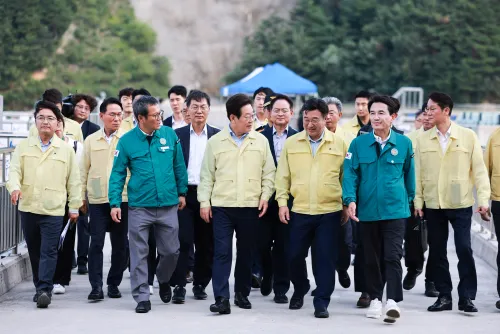
The government has said it plans to intensify recovery efforts across the city and surrounding regions as damage assessments continue.
Scale of the Rainfall
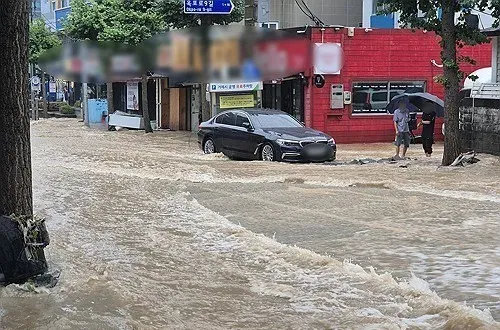
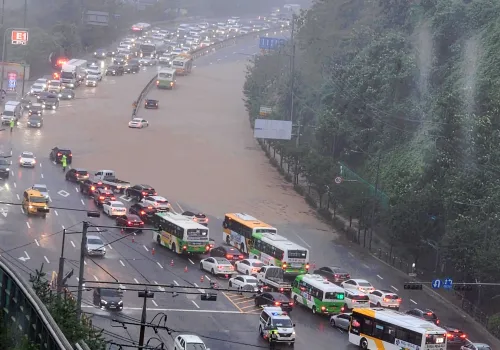
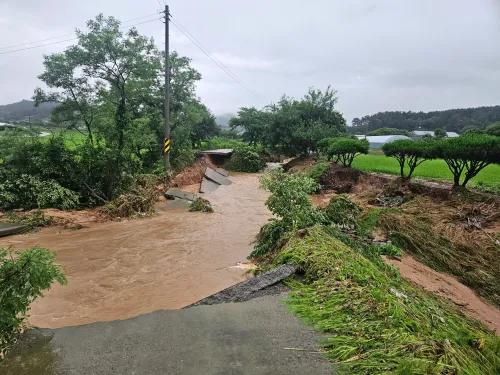
More than 800 millimetres of rain fell across South Gyeongsang Province — including Tongyeong and Geoje — during August, an extraordinary accumulation that overwhelmed drainage systems and triggered widespread disruption to fisheries, tourism, and shipbuilding operations in the region.
Tax Relief Measures
On 24 August, South Korea's National Tax Service (NTS) announced a package of tax relief measures for affected taxpayers. The agency said payment deadlines for corporate tax, value-added tax, and comprehensive income tax would be extended by up to two years upon request.
Notably, the NTS said it would automatically extend interim corporate tax payment deadlines — originally due by end of August — by two months to 2 November, without requiring companies in the affected region to file a separate application. Tax audits for businesses in the fisheries, tourism, and shipbuilding sectors will also be deferred.
'The NTS will continue to provide support to taxpayers facing difficulties due to the rains, including those outside the special disaster zones, to the fullest extent permitted by law,' the agency said.
Broader Context
This is the second time in weeks that the South Korean government has expanded disaster-zone coverage for the same region, reflecting the severity and persistence of this year's monsoon damage. The back-to-back designations signal that initial relief measures were insufficient to address the scale of destruction in South Gyeongsang Province.
With recovery efforts set to intensify, further policy announcements — including possible infrastructure grants and industry-specific support — are expected in the coming weeks.
Point of View
Industries already under structural pressure; an 800mm rain event on top of that is a compounding shock that relief packages alone cannot fully absorb. The automatic tax deadline extension, without requiring companies to apply, is a rare administrative concession that suggests Seoul is aware of how overwhelmed local businesses and authorities are. The real test will be whether reconstruction funds reach affected communities before the next monsoon cycle.
NationPress
19 Oct 2026
Frequently Asked Questions
What is a special disaster zone in South Korea?
A special disaster zone designation in South Korea makes an affected area eligible for central government funding for reconstruction, along with tax relief measures and discounts on utility fees for residents. It is typically declared after large-scale natural disasters such as floods, typhoons, or earthquakes.
Why was Tongyeong designated a special disaster zone?
Tongyeong was designated a special disaster zone after more than 800 millimetres of rain fell across South Gyeongsang Province in August, causing widespread damage to the city and surrounding areas. President Lee Jae Myung expanded the designation to cover all of Tongyeong on 4 September, up from a partial designation granted the previous month.
What tax relief is available to flood-affected residents and businesses?
The National Tax Service (NTS) announced extensions of up to two years on payment deadlines for corporate tax, value-added tax, and comprehensive income tax upon request. Interim corporate tax payments originally due by end of August are automatically extended to 2 November without requiring an application, and tax audits for fisheries, tourism, and shipbuilding businesses will be deferred.
Which other areas are covered under the special disaster zone?
Neighbouring Geoje city was also designated a special disaster zone, with parts of both Geoje and Tongyeong receiving the status last month. The latest announcement expands coverage to the whole of Tongyeong.
What happens next for flood-hit communities in South Gyeongsang Province?
The South Korean government has said it will intensify recovery efforts across Tongyeong and adjacent regions. Further policy measures, including possible infrastructure grants and additional industry-specific support, are expected as damage assessments are completed in the coming weeks.