Libya Halts New Oil Contracts Amid Public Concerns
Synopsis
In a significant move, Libya's Presidential Council has halted all new oil deals for developed fields, responding to public concerns and aiming to safeguard the national economy.
Key Takeaways
Libya's Presidential Council has halted new oil contracts to address public concerns.
The National Oil Corporation's chairman, Masoud Suleiman, received this directive.
The decision aims to secure Libya's economic interests in oil resources.
Public transparency and accountability are key issues in this decision.
Recent events include a failed towing attempt of a damaged LNG tanker.
Tripoli, April 5 (NationPress) Mohamed Al-Menfi, the leader of Libya's Presidential Council, has mandated a cessation of any new agreements related to previously developed oil fields in the nation, as reported.
This directive, conveyed to Masoud Suleiman, head of the National Oil Corporation (NOC), was confirmed on Saturday (local time) by the media office of the Presidential Council, effectively banning all types of agreements in this context, as noted by Xinhua news agency citing Al-Ahrar TV.
Al-Menfi has also requested prompt reports to the Council regarding the legal, technical, and economic contexts of any past agreements.
This action aims to enhance the protection of Libya's national economy and ensure maximum benefits from its vital oil resources, according to various reports.
This decision comes on the heels of Prime Minister Abdul Hamid Dbeibah's earlier suspension of a contentious oil development contract, reportedly with the Arabian Gulf Oil Company, due to rising concerns over transparency and public dissatisfaction.
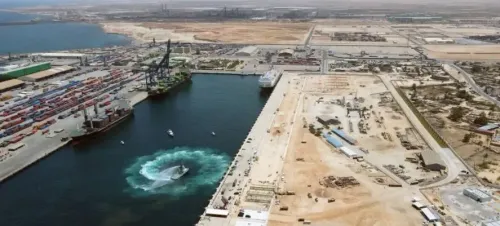
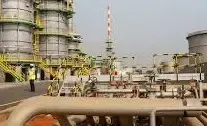
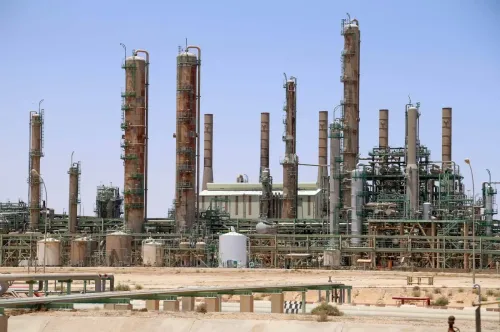
Libya's oil and gas exports are crucial to its economy, yet production has faced frequent interruptions in recent years due to ongoing conflicts and political unrest.
In another development, the Ports and Maritime Transport Authority announced earlier on Thursday that an attempt to tow a damaged Russian liquefied natural gas (LNG) tanker was unsuccessful.
The authority's statement indicated that the tanker is now "completely adrift and out of control at sea," as severe weather conditions stemming from a deep depression have resulted in winds of up to 40 knots and waves reaching 5 meters.
The statement further elaborated: "We inform all ships, maritime units, and relevant authorities that the towing operation failed at 4:00 a.m. on April 2. The tanker is now out of control, and the tugboat is unable to return and reconnect due to these hazardous weather conditions."
The 277-meter tanker, known as "Arctic Metagas," was transporting approximately 62,000 metric tonnes of LNG when it sank in the sea between Libya and Malta on March 3, as reported by the Libyan News Agency.
Point of View
It is essential to note that the recent directive from Libya's Presidential Council reflects a responsive approach to public sentiment regarding oil resource management. While aiming to bolster economic integrity, the decision also underscores the ongoing challenges of transparency in Libya's oil sector.
NationPress
16 Sept 2026
Frequently Asked Questions
What prompted Libya's Presidential Council to halt new oil deals?
The decision was made in response to public concerns about transparency and the management of oil resources.
Who is responsible for the National Oil Corporation in Libya?
Masoud Suleiman is the chairman of the National Oil Corporation (NOC) in Libya.
How significant are oil exports to Libya's economy?
Oil and gas exports are the primary source of revenue for Libya, making them crucial to the national economy.
What recent event affected a Russian LNG tanker near Libya?
A towing operation for a damaged Russian LNG tanker failed due to severe weather conditions, leaving it adrift at sea.
When did the incident with the Arctic Metagas tanker occur?
The Arctic Metagas tanker sank on March 3, while carrying LNG between Libya and Malta.