Libya Achieves Record Oil Production, Surpassing 1.4 Million Barrels Per Day
Synopsis
Libya's oil production has surged to an impressive 1.43 million barrels per day, the highest level in over ten years. This achievement reflects significant revenue generation and stability in domestic fuel supply amidst ongoing global challenges.
Key Takeaways
Libya's oil production has reached 1.43 million barrels per day.
February's oil revenue exceeded 2 billion US dollars.
Al-Sharara oilfield has a capacity of over 300,000 barrels daily.
Political stability remains crucial for sustaining oil production.
Recent directives aim to protect Libya's national economy.
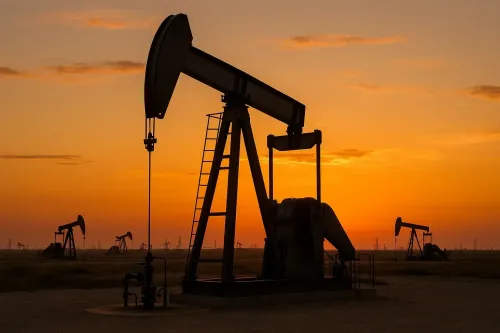
Tripoli, April 6 (NationPress) Libya has achieved a significant milestone in its oil production, reaching approximately 1.43 million barrels per day. This marks the highest output level seen in more than a decade, according to Masoud Suleiman, the Chairman of Libya's National Oil Corporation.
During a meeting held on Sunday (local time), Suleiman noted that the revenue generated from oil sales in February surpassed 2 billion US dollars and was transferred entirely to the state treasury without any deductions, a noteworthy achievement after years of fiscal challenges, as reported by Xinhua news agency.
He also highlighted that domestic fuel supply remains consistent despite global challenges, and maintenance on the Al-Sharara oilfield's export pipeline has been finalized, allowing production to return to normal levels.
Suleiman emphasized that the sustainability and potential increase of oil output hinges on the stability of the power grid and enhancements in production efficiency.
Libya's economy heavily relies on oil and gas exports, which have faced numerous interruptions due to ongoing conflicts and political instability.
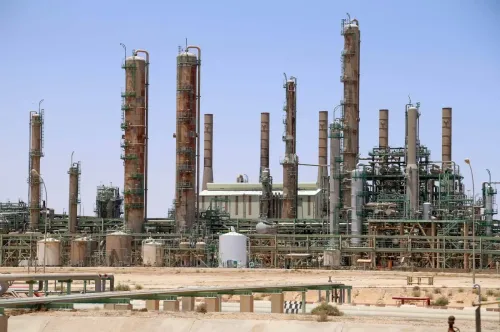
The Al-Sharara oilfield, the largest in the nation, is situated approximately 900 km south of the capital, Tripoli, boasting a production capacity exceeding 300,000 barrels of crude oil daily.
On April 4, Mohamed Al-Menfi, the head of Libya's Presidential Council, directed that no new agreements be established regarding already developed oil fields within the country, as reported.
This directive, communicated to Masoud Suleiman, Chairman of the National Oil Corporation (NOC), was confirmed by the media office of the Presidential Council and prohibits all forms of agreements related to these fields, including contractual arrangements, as reported by Al-Ahrar TV.
Menfi also requested immediate updates to the Council on the legal, technical, and economic aspects surrounding any previous arrangements.
This initiative aims to bolster the protection of Libya's national economy and ensure optimal returns from its vital oil resources, according to reports.
This development follows a prior decision by Prime Minister Abdul Hamid Dbeibah to suspend a contentious oil development deal, reportedly with the Arabian Gulf Oil Company, due to rising concerns over transparency and public dissent.
While oil and gas exports remain Libya's primary revenue source, production has repeatedly faced disruptions in recent years due to unrest and political uncertainties.
Point of View
Libya's recent surge in oil production is a crucial development that reflects both economic potential and the resilience of its energy sector. This achievement, while commendable, underscores the ongoing challenges posed by political instability that have historically plagued the industry.
NationPress
16 Sept 2026
Frequently Asked Questions
What is the current oil production level in Libya?
Libya's oil production has reached approximately 1.43 million barrels per day.
How much revenue did Libya generate from oil sales in February?
In February, Libya's oil sales revenue exceeded 2 billion US dollars.
What is the significance of the Al-Sharara oilfield?
The Al-Sharara oilfield is Libya's largest, located about 900 km south of Tripoli, with a production capacity of over 300,000 barrels daily.
What are the challenges facing Libya's oil industry?
The oil industry in Libya faces challenges due to ongoing conflicts and political instability.
What recent directive did the Presidential Council issue regarding oil fields?
The Presidential Council has instructed that no new agreements be made concerning already developed oil fields.