Has Mali Formed a New Rapid Intervention Unit to Tackle Terrorism?
Click to start listening
Synopsis
Mali is taking significant steps to combat terrorism with the formation of a new rapid intervention unit. This strategic move aims to equip the armed forces with enhanced operational capabilities, reflecting a proactive approach to evolving security challenges in the region.
Key Takeaways
- Mali has formed a new rapid intervention unit to combat terrorism.
- The Rapid Intervention Battalion will enhance military operational capabilities.
- This unit aims to improve response times to security threats.
- Fuel shortages are affecting daily life and transportation in Mali.
- Increased attacks on fuel convoys highlight the security challenges.
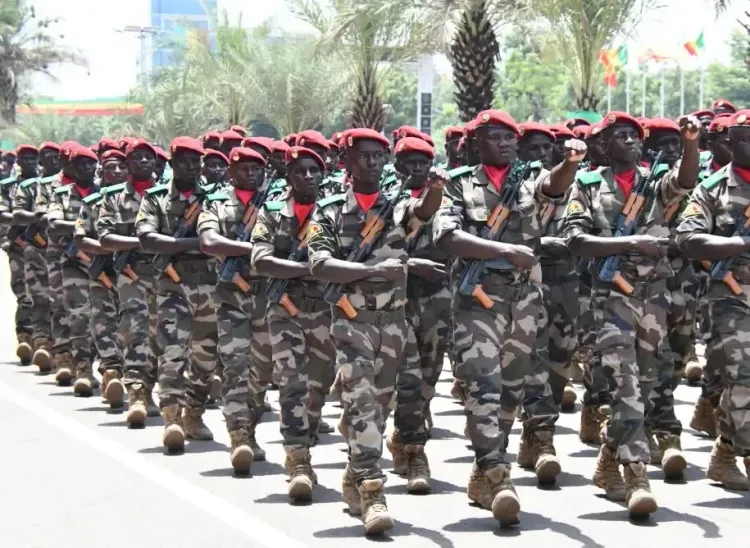
Bamako (Mali), Dec 20 (NationPress) Mali has launched a new rapid intervention unit within its military to bolster the fight against terrorism, as stated by the Ministry of Defence and Veterans Affairs during a flag presentation ceremony in the capital.
This new unit, referred to as the Rapid Intervention Battalion, aims to enhance the operational effectiveness of the Malian Armed Forces, increase their responsiveness to security threats, and assist in safeguarding territorial integrity along with the protection of civilians and their property. The precise size of the unit remains undisclosed.
Malian Minister of Defence and Veterans Affairs, Sadio Camara, emphasized that the formation of this Rapid Intervention Battalion illustrates the necessity for the armed forces to continuously adapt to a dynamic security landscape, as reported by Xinhua news agency. The unit is outfitted with mobile assets, including motorcycles, enabling operations in regions that are challenging for armored vehicles to access.
Chief of the General Staff of the Malian Armed Forces, Oumar Diarra, noted that recent months have witnessed an uptick in attacks aimed at fuel tankers, passenger transport, and civilian vehicles along critical routes connecting the capital to other areas, underscoring the need for more flexible and responsive units.
Since the military coup in March 2012, Mali has faced ongoing instability and insurgency. Although the government reached a peace and reconciliation agreement with some armed groups in the north in 2015, violence has continued to plague the northern regions and has spread to central and southern areas in recent years.
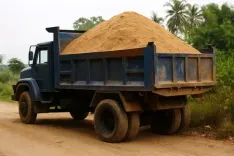
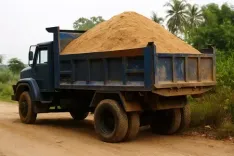
The West African nation has also recently been experiencing a significant fuel shortage. Supplies of gasoline and diesel have dwindled nationwide, leading to disruptions in transportation, hindering business operations, and intensifying daily struggles.
Last month, fuel sales in Bamako and surrounding regions were rationed, limiting each vehicle to a daily maximum of 10,000 CFA francs (approximately 17.75 US dollars) worth of fuel.
Observers have linked this shortage directly to Mali's precarious security situation.
Since September, the Group for the Support of Islam and Muslims (GSIM/JNIM) has repeatedly ambushed fuel convoys along major routes connecting Bamako with Senegal and Côte d'Ivoire.
These assaults aim to target economic lifelines, weaken the government's authority, and disrupt regional trade. According to Mali's security forces, numerous tanker trucks have suffered destruction due to such attacks.
Point of View
The effectiveness of this unit will depend on adequate resources and strategic implementation.
NationPress
22/12/2025
Frequently Asked Questions
What is the purpose of the new rapid intervention unit in Mali?
The new unit aims to strengthen the Malian Armed Forces' operational capabilities, enhance their response to security threats, and protect civilians and property.
Who announced the formation of this unit?
The announcement was made by Mali's Minister of Defence and Veterans Affairs, Sadio Camara.
What challenges is Mali currently facing?
Mali is grappling with ongoing instability, insurgency, and a significant fuel shortage affecting transportation and daily life.
How has the security situation in Mali changed recently?
There has been an increase in attacks targeting fuel convoys and civilian vehicles, highlighting the need for more agile military units.
What is the Group for the Support of Islam and Muslims (GSIM/JNIM)?
GSIM/JNIM is a group that has been involved in ambushing fuel convoys in Mali, aiming to undermine the government and disrupt regional trade.