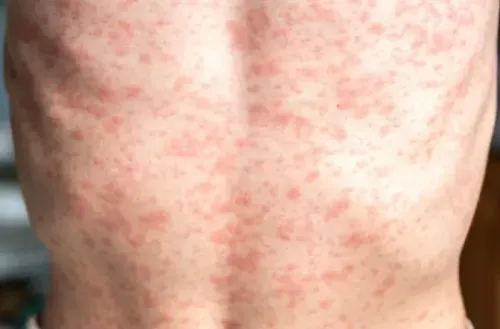
Could the Surge in Measles Cases in the US Signal a Global Trend?
Synopsis
Dr. Scott Gottlieb warns that the current measles outbreak in the US could escalate due to declining vaccination rates and the global rise of the anti-vaccine movement. As infection rates climb, he emphasizes the urgent need for improved vaccination coverage to prevent serious health consequences.
Key Takeaways
Measles outbreak in the US is linked to global vaccination trends.
Vaccination rates among toddlers are declining.
Majority of new infections are occurring in older children.
Herd immunity requires a vaccination rate of around 95%.
Consequences extend beyond measles to other diseases.
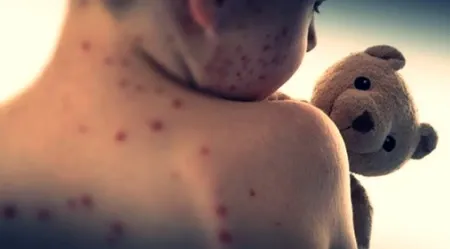
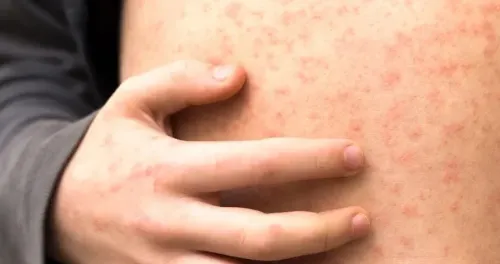
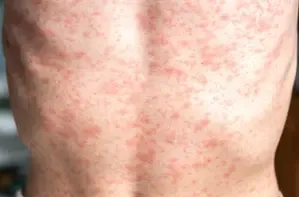
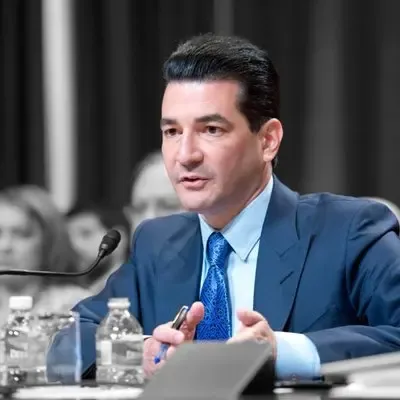
Washington, Feb 9 (NationPress) Former commissioner of the US Food and Drug Administration, Dr. Scott Gottlieb, expressed concern that the rising measles outbreak in the United States is part of a larger global phenomenon influenced by decreasing vaccination rates and an expanding anti-vaccine movement that extends beyond American borders.
“Regrettably, I think this situation will worsen before it improves,” Gottlieb stated on CBS’ Face the Nation, indicating a consistent increase in cases this year, coinciding with what he referred to as a decline in childhood immunization rates.
To date, approximately 750 cases of measles have been reported in the United States this year, according to Gottlieb, who anticipates a significant increase in this figure by the end of the year. The previous year saw around 2,000 reported cases.
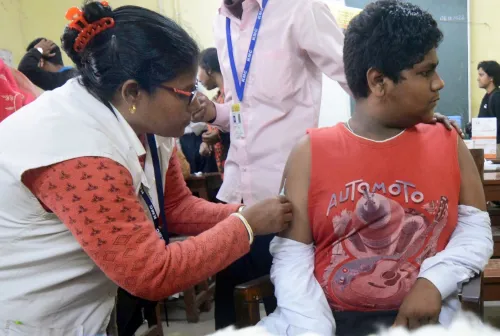
“We are entering a prolonged cycle,” he noted, emphasizing that most new infections are occurring in children aged five to 17, rather than in toddlers. “We’re observing a drop in vaccination rates among toddlers, which aligns with a broader trend away from pediatric vaccinations in our country.”
As unvaccinated toddlers transition into school settings, Gottlieb cautioned that outbreaks are expected to escalate. “As these toddlers grow into school-age children, the scale of the measles outbreaks will likely continue to rise in this nation,” he remarked.
He compared the current situation to earlier periods of declining immunization rates. In the early 1990s, for instance, measles cases surged when vaccination rates fell. “In 1991, there were approximately 25,000 cases of measles,” he recalled. “In 1992, we witnessed around 10,000 cases.”
Presently, national vaccination rates for measles, mumps, and rubella are around 90 percent, Gottlieb noted, but some states experiencing outbreaks report significantly lower numbers. “In certain states with outbreaks, vaccination rates plummet as low as 81 percent in Alaska, and 88 percent in various other states currently facing outbreaks,” he stated.
Host Margaret Brennan highlighted that this issue is not limited to the United States. “Countries like Britain, Canada, Spain, and several European and Central Asian nations have lost their measles elimination status,” she pointed out, indicating a reflection of a global anti-vaccine movement.
Gottlieb concurred. “Yes, I believe that’s accurate,” he said, asserting that the Covid-19 pandemic significantly contributed to rising vaccine skepticism worldwide. “People were compelled to receive vaccines they were hesitant about due to state mandates,” he remarked. “This has led to a backlash against vaccinations, which we are currently witnessing.”
He warned that the repercussions extend beyond measles. “It’s not merely about MMR,” he noted. “Diphtheria, tetanus, and pertussis are also concerns.” He pointed to increasing whooping cough outbreaks in the United States and indicated that similar trends are appearing globally.
Measles remains particularly perilous due to its high transmissibility. “The herd immunity threshold is approximately 95 percent vaccination within a community,” Gottlieb stated. “In certain areas of this country, we fall well below that.”
Brennan observed that some communities have vaccination rates nearing 70 percent, a level that Gottlieb indicated makes outbreaks nearly unavoidable.
Gottlieb also disputed claims that childhood infections are harmless, sharing his medical background to underline long-term risks. “Viruses can have lasting effects,” he asserted, linking infections to conditions such as cancer, multiple sclerosis, and other chronic diseases.
Point of View
It is crucial to adopt a perspective grounded in public health and community responsibility. The trends highlighted by Dr. Gottlieb underscore a significant challenge that transcends borders. Ensuring high vaccination rates is essential to protecting not only individual health but also public health at large. The Nation remains committed to promoting informed discussions on vaccination and public health initiatives.
NationPress
3 Oct 2026
Frequently Asked Questions
What is causing the recent measles outbreak in the US?
The recent outbreak is largely attributed to falling vaccination rates and an increase in the anti-vaccine movement, which has affected public health.
How many measles cases have been reported in the US this year?
Approximately 750 measles cases have been reported in the US so far this year, with expectations of this number rising.
What vaccination coverage is necessary to prevent outbreaks?
A herd immunity rate of about 95 percent vaccination in a community is essential to prevent measles outbreaks.
Are measles outbreaks occurring only in the US?
No, measles outbreaks are being reported in several countries, including the UK, Canada, and Spain, indicating a global trend.
What other diseases are affected by decreasing vaccination rates?
Decreasing vaccination rates can also lead to outbreaks of diphtheria, tetanus, and pertussis, among other diseases.