Mexico's Sheinbaum rejects foreign interference, demands US coordination without subordination
Synopsis
Mexican President Claudia Sheinbaum drew a hard line on 15 September, invoking the Constitution, history and a 91% poll to reject foreign interference — squarely naming US sectors and Mexico's own opposition as culprits. On the same day, private-sector economists flagged that while Mexico's revised 2027 budget is more realistic, public debt remains a live concern.
Key Takeaways
President Claudia Sheinbaum on 15 September 2026 reaffirmed that Mexico will not accept foreign intervention and insists US relations must be based on coordination without subordination.
She cited an opinion poll showing 91 per cent of respondents opposed foreign interference in Mexico's internal affairs.
Sheinbaum criticised certain US sectors and right-wing media , as well as elements of Mexico's opposition , for allegedly promoting interventionism.
The Centre for Economic Studies of the Private Sector (CEESP) assessed Mexico's proposed 2027 economic package as more realistic but flagged lingering concerns over public debt .
The budget, submitted to Congress last week, downgraded growth forecasts for 2026 and 2027 closer to analyst and international-institution estimates.
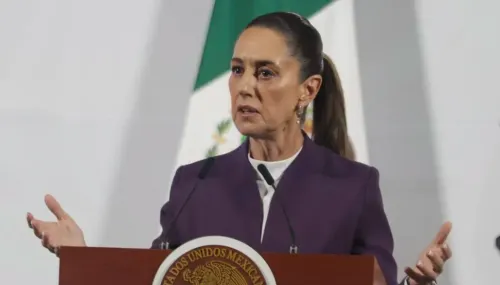
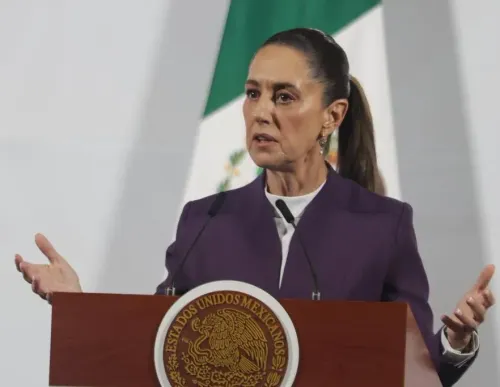
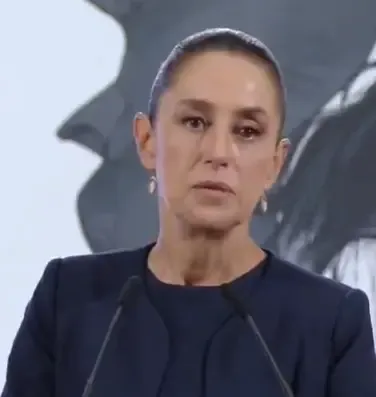
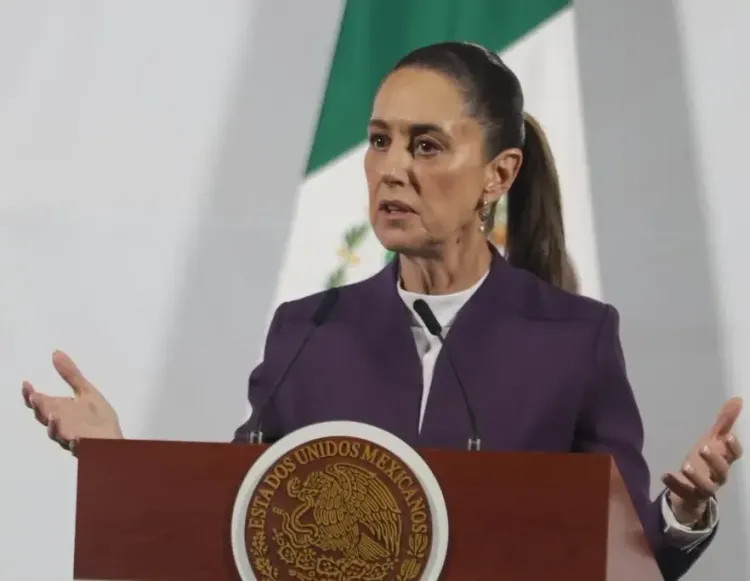
Mexican President Claudia Sheinbaum on Monday, 15 September 2026, reaffirmed that her government will not tolerate foreign intervention in Mexico's internal affairs, insisting that relations with the United States must be grounded in coordination — but never subordination. The statement, delivered at her daily press conference in Mexico City, signals a firm stance as bilateral tensions over sovereignty and security policy continue to simmer.
Sheinbaum's Core Position
'We will always defend the principle that there should be no intervention, no interference, only coordination, and without subordination,' Sheinbaum said. 'That will always be our position, by principle, by history, by conviction and because the Constitution says so.'
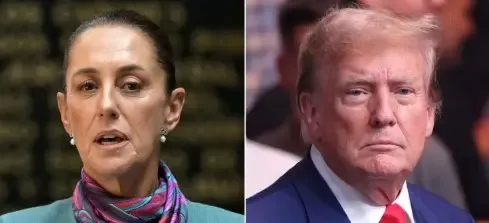
She directly criticised factions she accused of welcoming foreign interference — naming certain sectors within the United States and elements of Mexico's domestic opposition. Her remarks are a pointed escalation of a sovereignty argument that her government has maintained since taking office.
The Poll She Cited
To reinforce her position, Sheinbaum pointed to an opinion poll reportedly showing that 91 per cent of respondents opposed foreign intervention in Mexico. She questioned the motives of those circulating the contrary narrative. 'It is essential to ask who benefits from spreading the idea that Mexicans think otherwise,' she said, directing her criticism at what she described as US sectors and right-wing media outlets pushing an interventionist agenda.
This comes amid a broader pattern of friction between Mexico City and Washington over issues ranging from security cooperation and drug cartel operations to trade and immigration policy — areas where the US has periodically pressed for deeper Mexican compliance.
Budget Package and Debt Concerns
Separately, Mexico's private-sector economic think tank, the Centre for Economic Studies of the Private Sector (CEESP), weighed in on the government's proposed economic package for 2027 on the same day. The package, submitted to Congress last week, revises down growth expectations for both 2026 and 2027, bringing official forecasts closer to those of financial analysts and international institutions.
'This adjustment to the macroeconomic framework variables reflects a more realistic outlook,' CEESP said in its weekly economic analysis, though it cautioned that the budget figures still contain elements of optimism. The organisation flagged rising concerns over public debt, noting that fiscal consolidation goals — aimed at gradually reducing the deficit and stabilising borrowing levels — remain in progress but carry downside risk.
Broader Context
The Mexican government has pursued fiscal consolidation for several years, seeking to curtail reliance on debt to finance public spending. The revised growth outlook, while more credible to market observers, suggests the economic headroom for ambitious public programmes may be narrower than previously presented. Analysts will watch closely whether the Congress approves the package as submitted or demands further adjustments.
With sovereignty rhetoric intensifying and fiscal pressures building, President Sheinbaum faces the dual challenge of holding a firm foreign-policy line while managing expectations at home — a balance that will likely define her government's trajectory in the months ahead.
Point of View
But the directness of naming US sectors and the domestic opposition in one breath is a sharpening of the rhetoric. Invoking a 91% poll figure is politically astute — it repositions any pro-intervention voice as fringe and anti-national. What mainstream coverage misses is the timing: this comes as the 2027 budget signals tighter fiscal space, which limits Mexico's leverage in any hard-ball standoff with Washington. A government that needs economic breathing room but refuses to yield on sovereignty is walking a narrow path, and the CEESP's public debt warning suggests that path may get narrower still.
NationPress
15 Sept 2026
Frequently Asked Questions
What did Mexican President Claudia Sheinbaum say about foreign interference?
President Claudia Sheinbaum declared on 15 September 2026 that Mexico will never allow foreign intervention or interference, insisting that relations with the United States must be based on coordination without subordination. She cited Mexico's Constitution, history and national conviction as the basis for this position.
Why did Sheinbaum reference a 91 per cent poll?
Sheinbaum cited the poll — reportedly showing 91 per cent of respondents opposing foreign intervention — to counter narratives she attributed to certain US sectors and right-wing media suggesting Mexicans favour external interference. She questioned who benefits from spreading the opposite impression.
Who did Sheinbaum accuse of supporting intervention?
She named certain sectors within the United States and elements of Mexico's domestic opposition as those who, in her view, support or encourage foreign interference in Mexico's internal affairs.
What did the CEESP say about Mexico's 2027 budget?
The Centre for Economic Studies of the Private Sector (CEESP) said the proposed 2027 economic package offers a more realistic macroeconomic outlook by revising down growth expectations for 2026 and 2027, but it raised concerns about rising public debt and noted that certain budget figures retain elements of optimism.
How does Mexico's fiscal consolidation plan work?
The Mexican government has been pursuing fiscal consolidation for several years, aiming to gradually reduce the budget deficit and stabilise public debt by limiting reliance on borrowing to finance public spending. The newly submitted budget continues this trajectory, though private-sector economists warn that debt risks remain.