Trump's Bombardier jet ban threat rattles 3,500 US workers in Kansas
Synopsis
Trump threatened to ban Bombardier jets to pressure Canada — but the roughly 3,500 Americans working for the Canadian manufacturer in Kansas, Texas, Arizona, and beyond are the ones now fearing for their livelihoods. With no formal action taken and the White House offering no specifics, even Republican officials in Kansas are publicly breaking with the president.
Key Takeaways
President Donald Trump threatened last week to ban aircraft made by Canadian manufacturer Bombardier , citing demands for more US-based manufacturing.
About 1,500 Bombardier employees in Wichita, Kansas are among the approximately 3,500 US workers now fearing job losses.
The White House has taken no formal steps and has not clarified what a ban would cover or which operations must move.
Sedgwick County Commissioner Jim Howell , a Republican, warned the ban would be 'devastating' for the Wichita region.
Republican Senator Roger Marshall of Kansas has urged Bombardier to expand its Wichita workforce to more than 3,000 .
Trump issued a similar threat in January — proposing a 50 per cent tariff on Canadian aircraft — but did not follow through.
President Donald Trump's threat to ban aircraft made by Canadian manufacturer Bombardier has ignited anxiety among roughly 3,500 American workers employed by the company across the United States, exposing an uncomfortable domestic cost to his escalating trade dispute with Canada. The concern is sharpest in Wichita, Kansas, where Bombardier employs approximately 1,500 people, according to reports.
Fear on the Factory Floor
Workers at Bombardier's Wichita facility have spoken candidly about the uncertainty hanging over their livelihoods. 'This is ridiculous,' one employee told The Washington Post. 'We have thousands of Americans working here, and I don't want to be thinking about losing my job.'
A longtime Bombardier engineer in Wichita was more pointed: 'I'm scared about what this might mean for my job and my family. It's tough to look at many other Americans working here who are also struggling and got caught up in this global mess.' The city, which bills itself the 'Air Capital of the World,' has deep institutional ties to aviation manufacturing, making the threatened ban particularly resonant locally.
What Trump Said and What Remains Unclear
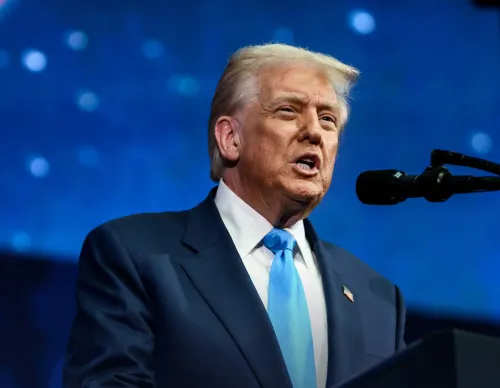
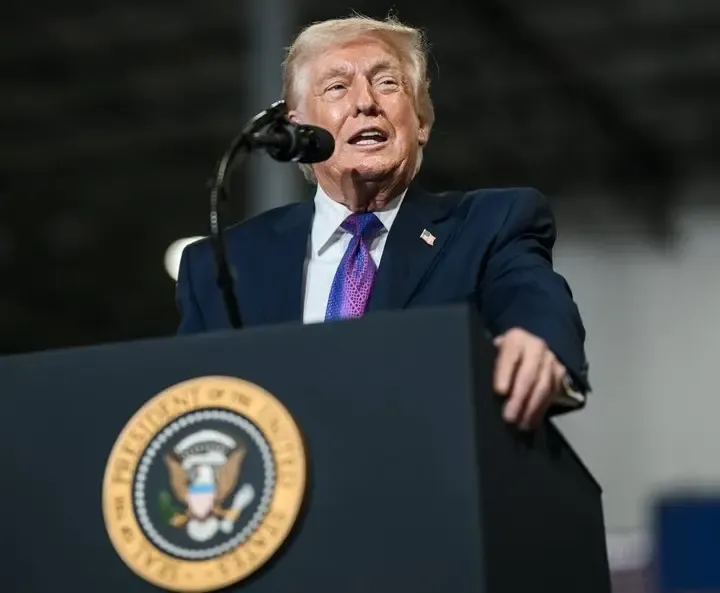
Trump issued the threat last week in a social media post, describing Bombardier's products as not 'good enough' and demanding a shift of manufacturing to American soil. 'If they want our Market, they must build here, and stop treating America like a 'piggybank',' he wrote.
However, the White House has taken no formal steps to implement any restrictions, nor has it clarified what a ban would cover or which specific Bombardier operations it wants relocated. This ambiguity has compounded workplace anxiety — workers are bracing for consequences that have no defined shape. Notably, Trump made a comparable threat in January, when he proposed revoking certifications for certain Bombardier jets and imposing a 50 per cent tariff on Canadian aircraft — measures that were ultimately not implemented.
Bombardier's US Footprint
Bombardier employs a combined 3,500 people across the United States, spanning service centres in Arizona, Texas, Florida, and Connecticut. The company manufactures aircraft wings in Texas and flight-control components in California, and is planning a new service centre in Indiana. Final assembly of its business jets, however, takes place in Canada — the aspect of operations that has drawn Trump's scrutiny.
In a public statement, a company spokesperson said there were no changes to its operations 'at this time,' while emphasising the breadth of its American presence.
Republican Pushback From Kansas
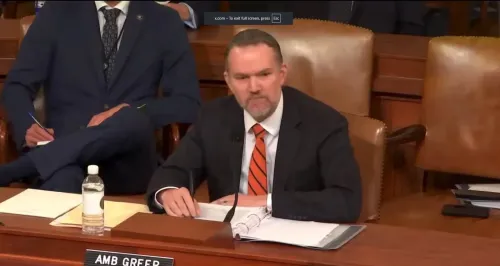
The threat has prompted an unusual display of dissent within Republican ranks. Sedgwick County Commissioner Jim Howell, a Republican, warned that a ban would 'be devastating to Bombardier' and represent a 'huge loss' for the Wichita region. 'It's rare that I go against the president in my comments,' Howell said. 'But no, he's not perfect. And I think that this is one of those things where I'm just shocked that he wanted to wade into this, because I don't think it's helping.'
Republican Senator Roger Marshall of Kansas has separately contacted the White House and urged Bombardier to expand its Wichita workforce to more than 3,000. 'America buys more than half of what Bombardier sells. If that's the market, more of those planes should be built here,' Marshall said — a position that echoes Trump's demand in substance while stopping short of endorsing a ban.
Deeply Integrated Supply Chains at Risk
The US-Canada aviation supply chain is tightly intertwined, with aircraft and components routinely crossing the border during production. Bombardier acquired the iconic Learjet brand in 1990 and maintained its production base in Wichita until ending Learjet manufacturing there in 2022; its remaining Kansas operations cover maintenance, testing, and engineering work.
Any formal ban would therefore ripple through a cross-border industrial ecosystem that American workers depend on just as much as their Canadian counterparts. With no formal measures yet in place and the White House silent on specifics, the situation remains fluid — and workers on both sides of the border are watching closely for the next move.
Point of View
500 people across multiple US states, this is less a Canada story than a Kansas story — and the bipartisan discomfort from Wichita Republicans signals that the political calculus here is messier than the White House appears to have calculated. That a Republican county commissioner is publicly saying the president 'is not perfect' on this issue is a notable crack. If Trump follows through, the political and economic fallout will test whether his base in manufacturing-heavy swing states will accept domestic job losses as collateral damage in a trade war.
NationPress
15 Sept 2026
Frequently Asked Questions
What did Trump threaten to do to Bombardier?
President Trump threatened in a social media post last week to ban aircraft made by Canadian manufacturer Bombardier, arguing the company's products were not 'good enough' and demanding that more manufacturing be moved to the United States. No formal action has been taken, and the White House has not clarified what a ban would cover.
How many Americans work for Bombardier?
Bombardier employs approximately 3,500 people across the United States, including around 1,500 in Wichita, Kansas, and workers in service centres in Arizona, Texas, Florida, and Connecticut. The company also manufactures aircraft wings in Texas and flight-control components in California.
Has Trump previously threatened Bombardier?
Yes. In January, Trump proposed revoking certifications for certain Bombardier jets and imposing a 50 per cent tariff on Canadian aircraft. Those measures were not implemented, making the current threat the second such episode within the year.
What have Republican officials in Kansas said about the threat?
Sedgwick County Commissioner Jim Howell, a Republican, called a potential ban 'devastating to Bombardier' and a 'huge loss' for the Wichita region, unusually breaking with the president on the issue. Republican Senator Roger Marshall has separately urged Bombardier to expand its Wichita workforce beyond 3,000 workers.
Why would a Bombardier ban affect US workers?
US and Canadian aviation supply chains are deeply integrated, with aircraft and components regularly crossing the border during production. Any restriction on Bombardier aircraft would therefore directly threaten thousands of American jobs in maintenance, engineering, component manufacturing, and testing that the company currently sustains across multiple states.