Trump threatens tariffs on Canadian cars, calls Canada a bad trade partner
Synopsis
Trump's Oval Office threat to tax Canadian-made cars is the sharpest direct challenge yet to the USMCA automotive framework — a sector where vehicles cross the US-Canada border dozens of times during production. With no rate or date attached, the threat is designed to unsettle; whether it becomes policy is the question Canada and the auto industry now have to answer.
Key Takeaways
President Donald Trump threatened tariffs on Canadian-made automobiles on 28 August , saying the US does not want Canada producing cars for its market.
No tariff rate or implementation timeline was specified.
Trump signed an executive order renaming Lake Ontario as 'Lake America' during the same Oval Office event.
The US-Canada automotive industry is among the world's most integrated, governed by the USMCA since July 2020 .
Trump ruled out immediate talks with Iran and dismissed concerns over a Russian attack on NATO territory during the same session.
The US announced emergency assistance for Nepal following devastating floods.
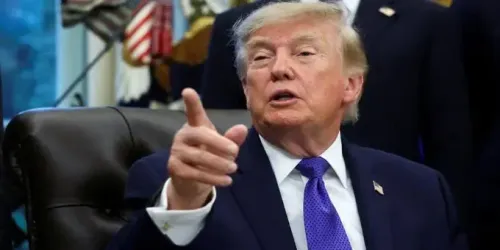
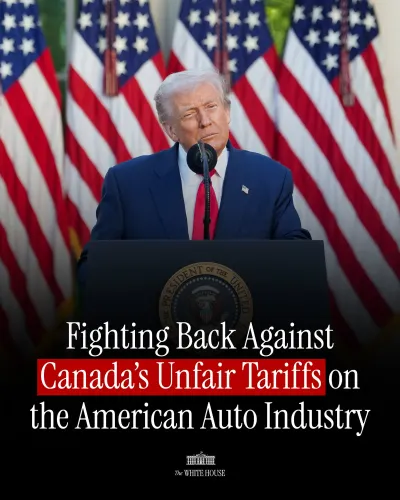
US President Donald Trump on 28 August threatened to impose tariffs on Canadian-made automobiles, declaring that Washington did not want Canada producing vehicles for the American market. The announcement, made during an Oval Office event, offered no specifics on the proposed tariff rate or timeline for implementation.
What Trump Said
'We're going to be doing tariffs on their cars,' Trump told reporters. 'Because we don't want them to make cars for America,' he added. He also accused Canada of unfair trade practices, saying, 'Canada treat us very badly' and 'Canada is ripping us off on trade.'
Trump further claimed Canada 'want to be treated like a state but we can't do that anymore,' signalling a hardening of his position toward the neighbouring country despite deep economic ties between the two nations.
Lake Ontario Renamed 'Lake America'
The tariff threat coincided with Trump signing an executive order directing the US government to refer to Lake Ontario as 'Lake America'. The White House described the order as 'honouring the American history of the Great Lakes.' The administration did not immediately clarify how the renaming would apply in dealings with Canada, which shares the lake with the United States.
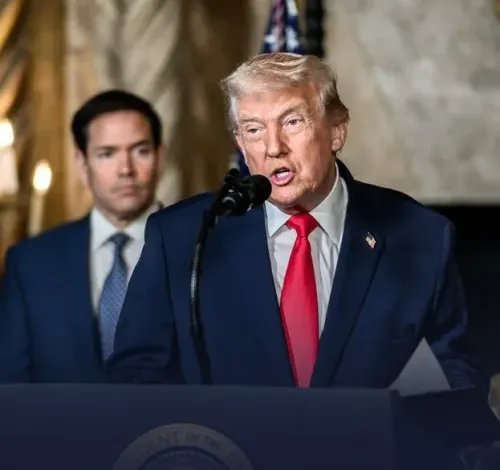
Present at the Oval Office event were Interior Secretary Doug Burgum, US Trade Representative Jamieson Greer, and White House Deputy Chief of Staff Stephen Miller.
US-Canada Auto Industry at Stake
The United States and Canada operate one of the world's most deeply integrated automotive industries, with vehicles and components routinely crossing the border multiple times during production. Trade in the sector is governed primarily by the United States-Mexico-Canada Agreement (USMCA), which came into force in July 2020. Any new tariffs on Canadian-made cars would represent a significant departure from — and potential violation of — that framework.
Trump offered no details on whether the administration intends to invoke national security provisions or another legal mechanism to justify the duties.
Trump on Iran, Russia, and Nepal
During the same Oval Office exchange, Trump addressed several other foreign-policy matters. On Iran, he said Tehran remained under severe economic and military pressure despite the reopening of the Strait of Hormuz, stating, 'They're not paying their troops. They're in deep trouble.' He ruled out immediate negotiations, saying, 'There's not a lot to speak with Iran, we are not looking to meet or anything, the strait is open.' He also cautioned that 'it doesn't mean we finished with the military.'
On Russia, Trump said President Vladimir Putin had 'behaved quite well — so far regarding the Strait of Ormuz' and dismissed concerns that Moscow could attack NATO territory, saying, 'He's not going to be attacking.' Asked about potential sanctions on Chinese banks, Trump replied cryptically, 'Who says I'm not? I don't have to announce everything.'
Regarding the Nepal floods, Trump said Washington had reached out to the Nepalese government and offered assistance, calling the disaster 'brutal.' The United States has since announced emergency assistance and the deployment of a disaster-response adviser.
What Comes Next
With no formal tariff order signed and no rate announced, the automotive industry and Canadian officials are left to assess a threat that remains undefined in scope. Canada has previously responded to US tariff actions with retaliatory measures, and the USMCA dispute-resolution mechanism could be invoked if duties are formally imposed. Markets and trade observers will be watching for any follow-up executive action from the White House in the days ahead.
Point of View
No date, no legal mechanism — which is itself the point. Ambiguity maximises leverage while deferring the political and legal cost of actually breaking the USMCA. Canada has been here before and knows retaliatory tariffs are its primary card. The more consequential question is whether Detroit's own supply chains, which depend on cross-border component flows, will push back hard enough internally to slow the White House's hand. The Lake Ontario renaming, meanwhile, is a distraction that costs nothing and signals everything about the administration's posture toward Ottawa.
NationPress
12 Oct 2026
Frequently Asked Questions
Why is Trump threatening tariffs on Canadian cars?
Trump has accused Canada of treating the United States 'very badly' on trade and said Washington does not want Canada producing vehicles for the American market. He offered no specific policy rationale or legal basis for the proposed tariffs during his 28 August remarks.
What tariff rate did Trump propose on Canadian automobiles?
Trump did not specify a tariff rate or an implementation date. The threat was made verbally to reporters during an Oval Office event, with no formal order signed.
How does this affect the USMCA trade agreement?
The United States-Mexico-Canada Agreement, in force since July 2020, governs automotive trade between the three countries. New tariffs on Canadian-made cars would represent a significant departure from that framework and could trigger USMCA dispute-resolution proceedings.
What is the executive order renaming Lake Ontario 'Lake America'?
Trump signed an executive order on 28 August directing the US government to refer to Lake Ontario as 'Lake America,' which the White House described as honouring American history of the Great Lakes. The administration did not clarify how the new name would be used in dealings with Canada, which shares the lake.
What did Trump say about Iran and Russia during the same event?
Trump said Iran was under severe economic and military pressure, ruled out immediate negotiations with Tehran, and cautioned that the reopening of the Strait of Hormuz did not mean US military action had concluded. On Russia, he said President Vladimir Putin had 'behaved quite well' and dismissed concerns about a Russian attack on NATO territory.