Trump threatens 'very heavy tariffs' on Europe over Canada-EU deal
Synopsis
Trump didn't announce a tariff — he dangled one. His conditional threat to hit Europe with 'very heavy tariffs' over a speculative Canada-EU membership scenario, delivered at a North Carolina airport, is classic leverage diplomacy. Combined with cautious optimism on Iran, the remarks signal a White House still governing by statement rather than settled policy.
Key Takeaways
Donald Trump threatened 'very heavy tariffs' on Europe on 16 September 2026 if a Canada–EU arrangement was deemed hostile to US interests.
Trump called Canada 'a terrible trade partner' and dismissed the prospect of it becoming an EU associate member.
No specific tariff rate, affected goods, or timetable was announced — the threat was explicitly conditional.
Trump also defended his trade deficit logic, arguing that ending trade with deficit countries would eliminate shortfalls.
On Iran , Trump expressed hope the conflict was 'towards the end,' saying Tehran 'very much' wants to make a deal — without providing terms or a timeline.
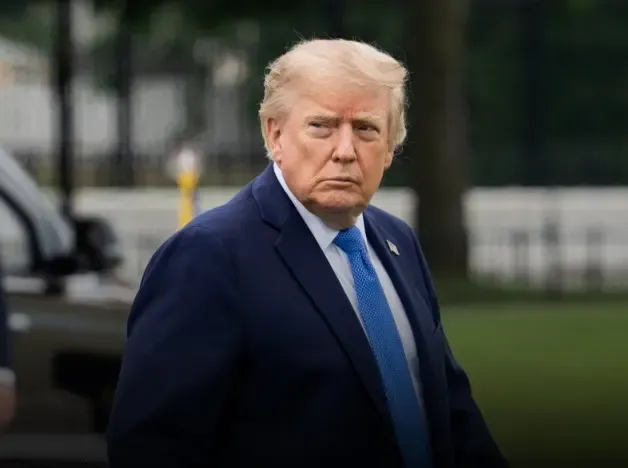
US President Donald Trump on 16 September 2026 threatened to impose steep tariffs or curtail trade with Europe if a potential Canada–European Union arrangement was perceived as directed against American interests. The warning came during remarks to reporters at Charlotte Douglas International Airport in North Carolina, where Trump also voiced hope that the conflict with Iran was approaching its conclusion.
The Tariff Warning
Trump's remarks were framed as conditional — triggered specifically by what he interpreted as the intent behind any Canada-EU arrangement. Asked about the prospect of Canada becoming an associate member of the European Union, he dismissed the likelihood and sharpened his criticism of Canada as a trading partner.
'Canada's been a terrible trade partner. No, I don't see that. If they do that, if I think it's at all a hostile act, I will put very serious tariffs or stop trading with Europe on many things,' Trump said.
He subsequently elaborated, drawing a distinction between good and bad intent on Europe's part: 'If they do that, if Europe does that, with a bad intention — if it's a good intention, that's fine — if it's bad intention we'll put very heavy tariffs on Europe, which is a possibility.'
Notably, Trump did not announce a specific new tariff, identify which European goods could face restrictions, or provide a timetable for any action. His remarks described a potential response to a hypothetical scenario raised during questioning, not a formal policy announcement.
Trump Defends Trade Deficit Logic
During the same airport exchange, Trump also defended his broader approach to trade deficits, arguing that halting trade with a country against which the United States ran a deficit would effectively eliminate that shortfall. He did not outline the consequences for American businesses or consumers, nor did he identify a specific trading relationship he planned to end.
This comes amid a broader pattern of Trump using tariff threats as negotiating leverage against both allies and rivals — a strategy that has drawn criticism from trade economists who warn of retaliatory cycles and supply chain disruption.
Trump on Iran: 'Towards the End of the War'
Turning to the conflict with Iran, Trump expressed cautious optimism, saying Tehran was signalling a desire to negotiate. 'Hopefully we're towards the end of the war. They want to make a deal, and we'll see how that works out. They're very much wanting to make — Iran is very much wanting to make a deal,' he said.
He offered no timetable, no specific terms, and no details of any proposed settlement. The remarks were unverified by any Iranian official statement at the time of the airport exchange.
What to Watch
The remarks are likely to draw a response from European Union officials, who have previously warned of countermeasures in the event of fresh US tariff action. Any formal move by Canada toward EU associate membership — itself a speculative scenario — would raise immediate questions about transatlantic trade alignments. Markets and diplomatic observers will track whether Trump's conditional warning is followed by any concrete executive action in the days ahead.
Point of View
No specifics, and an exit ramp built in ('if it's a good intention, that's fine'). What mainstream coverage risks missing is that this ambiguity is the strategy — it keeps Brussels and Ottawa guessing without committing Washington to anything. On Iran, the optimism is similarly unanchored; no terms, no interlocutor named, no Iranian confirmation. The administration appears to be managing two complex fronts through atmospherics rather than diplomacy.
NationPress
17 Sept 2026
Frequently Asked Questions
What did Trump threaten regarding Europe and tariffs?
Trump threatened to impose 'very heavy tariffs' on Europe or halt trade in several goods if a potential Canada–EU arrangement was seen as hostile to American interests. The threat was conditional and no specific tariff rate or timetable was announced.
Why did Trump criticise Canada at the Charlotte airport?
Asked about Canada potentially becoming an associate member of the European Union, Trump called Canada 'a terrible trade partner' and said he did not expect the arrangement to materialise. He warned that any such move perceived as a hostile act against the US would trigger severe trade penalties on Europe.
What did Trump say about the conflict with Iran?
Trump expressed cautious optimism that the Iran conflict was 'towards the end,' saying Iran 'very much' wants to reach a deal. He provided no terms, timetable, or details of any proposed settlement, and no Iranian official statement confirmed the claim.
Is this a formal US trade policy announcement?
No. Trump did not announce a new tariff, specify affected European goods, or provide a timeline. His remarks were a conditional warning in response to a hypothetical scenario raised by a reporter, not a formal executive action or policy declaration.
How might Europe respond to Trump's tariff threat?
European Union officials have previously signalled readiness for countermeasures in response to US tariff action. Whether this conditional warning prompts a formal diplomatic response will depend on whether it is followed by any concrete executive action from the White House.