Trump predicts Canada tariff deal in 3-4 weeks as US import bans take effect

Synopsis
Trump predicted Canada would seek a tariff deal within weeks — even as new US import bans on Canadian dairy and beverages took effect on the same day he spoke. The combination of escalating restrictions and optimistic deal-talk reflects the contradictory posture that has defined US trade policy under this administration, with Ottawa yet to publicly confirm any such outreach.
Key Takeaways
President Donald Trump predicted on 29 September that Canada would approach the US for a tariff deal within three to four weeks .
New US import bans on Canadian alcoholic beverages , dairy products , and other goods took effect on 29 September under Section 338 of the Tariff Act of 1930 .
Trump claimed Canadian tariffs on certain US farm products reached 400 per cent — an unverified assertion with no product breakdown provided.
White House adviser Peter Navarro accused Canada of attempting to use China as leverage; no evidence was presented.
Five Democratic senators — including Amy Klobuchar and Patty Murray — had warned in a 9 September statement that tariffs would raise costs on both sides of the border.
The measures apply even to goods qualifying under the USMCA , an unusually broad override of the joint trade framework.
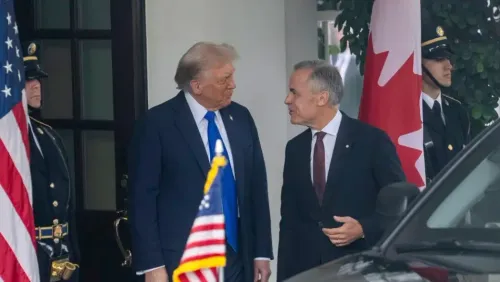
US President Donald Trump on Monday, 29 September said he expected Canada to return to the trade negotiating table within three to four weeks, predicting a deal even as sweeping new American import bans on select Canadian products were set to kick in the very next day. The remarks, made at the White House in Washington, mark one of the most direct public signals yet from the Trump administration about the trajectory of the fractious US-Canada trade relationship.
What Trump Said
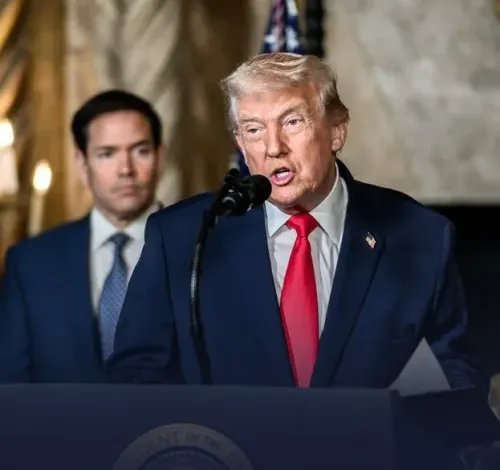
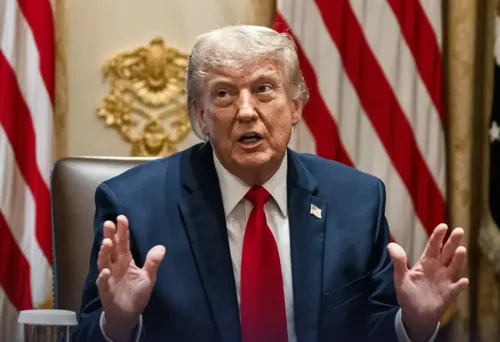
'I think what's going to happen is, over the next three or four weeks, they're going to come to us and they're going to say we're going to get rid of all the tariffs,' Trump told reporters. He added: 'I think a deal will be made, but it's going to be a fair deal.' He did not name a specific negotiating proposal, identify a scheduled meeting, or indicate a timeline for signing any agreement.
Trump also claimed Canada had been 'very, very bad to our farmers in particular' and asserted that Canadian tariffs on certain US agricultural products had reached as high as 400 per cent. That figure was his own assertion; the exchange provided no breakdown of specific products or rates.
New Import Bans Under Section 338
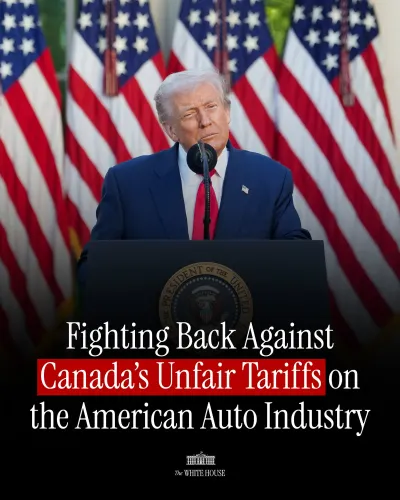
The White House confirmed in a 8 September fact sheet that import bans on certain Canadian alcoholic beverages, dairy products, and other covered goods would take effect on 29 September — the same day Trump spoke. The administration said the measures were a response to Canadian retaliation against US exports. The White House also noted that tariff coverage on a broader range of goods had been revised from 15 September.
The restrictions were issued under Section 338 of the US Tariff Act of 1930. According to the White House, covered products would face the bans regardless of whether they qualified under the United States-Mexico-Canada Agreement (USMCA), and the measures would apply alongside certain other existing US tariffs — an unusually sweeping carve-out from the trade framework the two countries jointly negotiated.
Navarro Allegations and Unanswered Questions
White House adviser Peter Navarro joined Trump's remarks, citing disputes over dairy, lumber, aluminium, and steel. Navarro also accused Canada of attempting to leverage China in its dealings with Washington. Neither Trump nor Navarro presented evidence for that allegation during the press exchange.
Notably, Trump's optimism about a deal sits in sharp tension with the scope of the restrictions being simultaneously imposed — a pattern critics argue is more consistent with escalation than negotiation.
Democratic Senators Push Back
Earlier in September, five Democratic senators from states with strong cross-border trade ties raised alarms about the administration's approach. Senators Amy Klobuchar, Chris Coons, Patty Murray, Jeanne Shaheen, and Elissa Slotkin, in a 9 September joint statement, warned that the tariffs would drive up costs for farmers, businesses, and households on both sides of the border. They also flagged the risk of higher prices for building materials, vehicles, and everyday consumer goods.
Context: Deep Cross-Border Ties
The US and Canada are bound by extensive cross-border supply chains spanning agriculture, manufacturing, and energy. Goods can cross the shared border multiple times before reaching an end buyer, meaning even targeted tariff changes carry ripple effects across industries in both countries. Trump's remarks came during a White House event announcing an investment by Essar Group in a proposed steel project in Iowa; the group's founder, Ravi Ruia, and other executives were present. Trump returned repeatedly to the tariff theme while making his case for domestic manufacturing.
Whether Canada will indeed approach Washington for a deal on Trump's projected timeline remains to be seen — Ottawa has not publicly confirmed any such overture.
Point of View
Keeping the other side off-balance. The more significant detail is the Section 338 override of USMCA: applying bans regardless of treaty status is legally aggressive and signals the administration is willing to sideline the agreement it once championed as a signature win. Canada has not confirmed Trump's claim that it 'calls all the time', and with Ottawa having already retaliated, the path to a deal in three to four weeks looks far narrower than Trump's tone suggests. The Navarro-China allegation, unsubstantiated, may be intended less as a factual claim and more as a framing device to elevate the stakes domestically.
NationPress
29 Sept 2026
Frequently Asked Questions
What did Trump say about a Canada tariff deal on 29 September?
Trump told reporters at the White House that he expected Canada to return to negotiations within three to four weeks and predicted 'a fair deal' would be reached. He did not name a specific proposal, a scheduled meeting, or a signing timeline.
What new US import bans on Canada took effect on 29 September?
Import bans on certain Canadian alcoholic beverages, dairy products, and other covered goods took effect on 29 September, as confirmed in a White House fact sheet issued on 8 September. The measures were introduced under Section 338 of the US Tariff Act of 1930 in response to Canadian retaliatory tariffs on US exports.
Does the USMCA protect Canadian goods from these bans?
No. The White House explicitly stated that covered products would face the restrictions regardless of whether they qualified under the United States-Mexico-Canada Agreement. This represents an unusually broad override of the joint trade framework both countries signed.
Why are Democratic senators opposed to the tariffs on Canada?
Five Democratic senators — Amy Klobuchar, Chris Coons, Patty Murray, Jeanne Shaheen, and Elissa Slotkin — warned in a 9 September statement that the tariffs would raise costs for farmers, businesses, and households on both sides of the border, including higher prices for building materials, vehicles, and everyday goods.
What was the context for Trump's Canada remarks?
Trump spoke during a White House event announcing an Essar Group investment in a proposed steel project in Iowa. He repeatedly returned to the tariff and domestic manufacturing theme before taking reporters' questions on Canada and the impending import bans.