PM Modi gifts Bidriware to Dokra art to ASEAN leaders in Manila
Synopsis
Modi's gift selection for nine ASEAN leaders reads like a curated map of India's artisanal geography — from a 4,000-year-old Dokra casting technique to Rogan art kept alive by just a handful of families in Kutch. The choices signal that India's Act East outreach is as much a cultural project as a strategic one.
Key Takeaways
PM Modi presented traditional Indian handicrafts to leaders of nine ASEAN nations during his visit to Manila on 18 November 2026 .
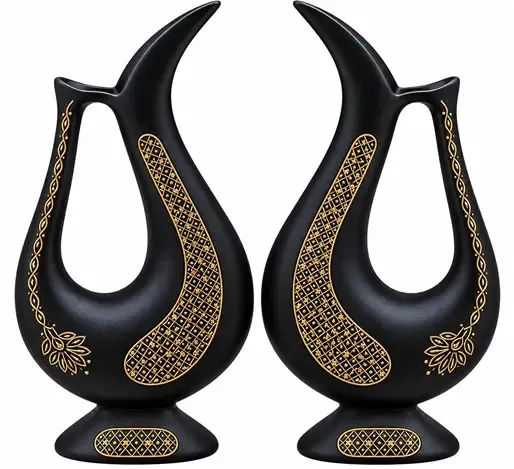
Sultan of Brunei and Myanmar each received a Bidriware Silver Inlay Vase from Bidar, Karnataka , which holds a GI tag .
Indonesian President Prabowo Subianto was gifted a Chola Bronze Sculpture made using the lost-wax casting technique from the 9th–13th century Chola era.
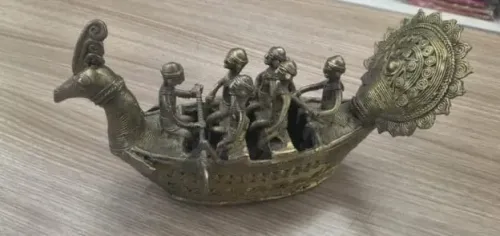
Cambodia received a Dokra Artwork Boat crafted using a technique believed to be over 4,000 years old .
Agates of Cambay received a GI tag in 2017 and was listed under the ODOP initiative for Anand district in 2023 .
The gifts collectively represent craft traditions from Karnataka, Tamil Nadu, Rajasthan, Gujarat, Madhya Pradesh, Chhattisgarh and other states.
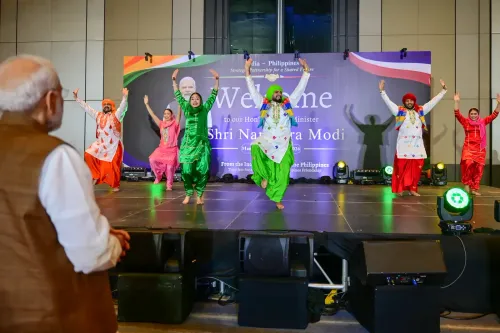
Prime Minister Narendra Modi presented a curated collection of traditional Indian handicrafts to heads of government of ASEAN member states during his official visit to Manila, Philippines, on 18 November 2026. The gifts — drawn from across India — spotlighted centuries-old artistic traditions spanning metalwork, folk painting, gemstone carving, and textile art, underscoring India's soft-power outreach through its artisanal heritage.
Metalwork Masterpieces: Bidriware, Chola Bronze and Silver Urli
The Sultan of Brunei, Hassanal Bolkiah, and Myanmar each received a Bidriware Silver Inlay Vase from Bidar, Karnataka — an art form that holds a Geographical Indication (GI) tag and traces its roots to the Deccan region. Artisans engrave intricate floral and geometric designs — inspired by Bidar Fort's architecture — onto a zinc-copper alloy before inlaying fine silver wire and treating the surface to produce Bidriware's signature deep-black finish.
Indonesian President Prabowo Subianto was gifted a Chola Bronze Sculpture, representing the classical metallurgical tradition that flourished under the Chola dynasty between the 9th and 13th centuries in South India. Cast using the lost-wax technique known as Madhuchista Vidhana, each piece is handcrafted individually, admired for its anatomical accuracy, graceful proportions and fine detailing that offers a window into Chola-era aesthetics of clothing, jewellery and hairstyle.
Malaysian Prime Minister Anwar Ibrahim received a silver-worked Urli, a traditional decorative vessel associated in Indian culture with purity, prosperity and hospitality. Finely embellished with intricate silver detailing, the vessel transforms a functional domestic object into an heirloom-quality decorative piece, reflecting the precision of India's generational silver-crafting tradition.
Folk Art and Tribal Heritage: Dokra Boat, Gond Painting and Rogan Art
For Cambodia, Modi presented a Dokra Artwork Boat, made using the lost-wax casting method believed to be more than 4,000 years old. The handcrafted boat, depicting human figures and birds, symbolises community, cooperation and harmony with nature. Because each Dokra piece is individually modelled in wax before casting, no two finished works are identical.
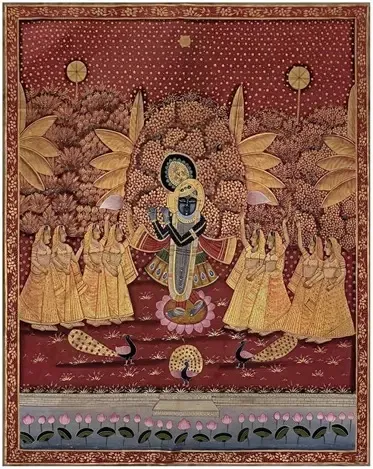
Singapore Prime Minister Lawrence Wong was gifted a Gond Painting, a traditional tribal folk art form originating among the Gond communities of central India — particularly associated with Madhya Pradesh, Chhattisgarh, Maharashtra, Andhra Pradesh and Odisha. Historically prepared using natural pigments from charcoal, soil and plant-based substances, Gond paintings use intricate dots, lines and vivid colours to depict trees, animals and birds, reflecting the community's deep relationship with the natural environment.
Thai Prime Minister Anutin Charnvirakul received a Rogan Art Painting, a rare textile-painting tradition practised for centuries in Kutch, Gujarat, and kept alive by a small number of artisan families in Nirona village. The technique involves boiling castor oil, mixing it with natural pigments, and drawing elaborate freehand designs on fabric using a slender metal stylus. A distinctive mirror-image effect is achieved by folding the painted cloth — a hallmark that sets Rogan art apart from other textile traditions.
Gemstone Crafts: Rose Quartz Elephant and Agate Bowl
Lao Prime Minister Saleumxay Kommasith was presented a Rose Quartz Elephant with Gold Work, carved from natural rose quartz and hand-embellished with gold detailing and floral motifs — a craft form associated with Rajasthan's stone-carving centres, including Jaipur. In Indian tradition, the elephant carries associations with strength, wisdom and royal grandeur, making the sculpture a culturally resonant diplomatic gift.
Timor-Leste Prime Minister Kay Rala Xanana Gusmao received an Agate Bowl, handcrafted from naturally banded semi-precious agate stone. The craft is closely associated with Khambhat, Gujarat, a centre for agate processing for several centuries. The Agates of Cambay received a GI tag in 2017, and agate products were included under the One District One Product (ODOP) initiative for Anand district in 2023.
Leather Craft and India's Diplomatic Soft Power
Vietnamese Prime Minister Le Minh Hung received a Leather Wall Hanging, a handcrafted decorative artwork made from treated and cured leather embellished through perforation, embossing and painting, often coloured with natural vegetable dyes. The craft, rooted in rural folk traditions, is passed down across generations and reflects local storytelling and cultural practice.
Taken together, the gifts span nine ASEAN nations and cover handicraft traditions from Karnataka, Tamil Nadu, Rajasthan, Gujarat, Madhya Pradesh, Chhattisgarh and beyond — a deliberate cartography of India's cultural geography. This comes amid India's sustained effort to deepen its Act East Policy through cultural diplomacy alongside trade and strategic partnerships. The gesture reinforces the broader message that India's engagement with ASEAN is as much about civilisational ties as it is about geopolitics.
Point of View
Whose own Hindu-Buddhist heritage is deeply intertwined with Chola maritime influence, is not mere courtesy; it is a reminder of a shared civilisational arc. India's Act East Policy has often been critiqued for lagging behind its stated ambitions on trade and connectivity, but cultural diplomacy of this granularity costs little and signals a great deal. The more important question is whether these gestures translate into durable people-to-people frameworks that outlast any single summit.
NationPress
18 Nov 2026
Frequently Asked Questions
What handicrafts did PM Modi gift to ASEAN leaders in Manila?
PM Modi gifted nine distinct traditional Indian handicrafts to ASEAN leaders during his Manila visit on 18 November 2026, including a Bidriware Silver Inlay Vase, a Dokra Artwork Boat, a Chola Bronze Sculpture, a Rose Quartz Elephant with Gold Work, a silver-worked Urli, a Gond Painting, a Rogan Art Painting, an Agate Bowl, and a Leather Wall Hanging.
What is Bidriware and why is it significant?
Bidriware is a traditional metalcraft from Bidar, Karnataka, made from a zinc-copper alloy inlaid with pure silver in intricate patterns and finished with a characteristic deep-black surface. It holds a Geographical Indication (GI) tag and reflects the artistic legacy of the Deccan region.
What is the Dokra casting technique mentioned in the gifts?
Dokra is a traditional Indian metal-casting technique using the lost-wax method, believed to be more than 4,000 years old. Each piece is modelled in wax, cast in metal, and individually handcrafted, making every finished work unique. PM Modi gifted a Dokra Artwork Boat depicting community life to Cambodia.
What is Rogan Art and where does it come from?
Rogan Art is a rare textile-painting tradition from Kutch, Gujarat, practised for centuries by a small number of artisan families in Nirona village. Artists use boiled castor oil mixed with natural pigments, applying designs freehand with a metal stylus, and fold the cloth to create a symmetrical mirror image. PM Modi presented a Rogan Art Painting to Thai Prime Minister Anutin Charnvirakul.
Why did PM Modi choose Indian handicrafts as diplomatic gifts for ASEAN leaders?
The gifts are widely seen as a cultural diplomacy initiative reinforcing India's Act East Policy, which seeks to deepen ties with Southeast Asian nations through civilisational and people-to-people links alongside trade and strategic partnerships. By selecting crafts with GI tags, tribal origins, and centuries-old techniques, the gesture underscores India's diverse regional heritage and the livelihoods of its artisans.