PM Modi praises Uzbek students' passion for India at Tashkent university
Synopsis
During his state visit to Uzbekistan, PM Modi was visibly moved when Uzbek students — for whom Hindi is a foreign language — recited his own poems with what he called perfect emotional fidelity. The moment, shared on X, encapsulates a softer but strategically deliberate strand of Indian diplomacy: cultural outreach as a long-term geopolitical investment in Central Asia.
Key Takeaways
PM Modi visited the Mahatma Gandhi Centre at Tashkent State University of Oriental Studies on Sunday as part of his two-day state visit to Uzbekistan .
Uzbek students recited poems written by Modi in Hindi — not their native language — with what the Prime Minister described as perfect emotional accuracy.
Modi shared a video on X , describing the visit as showcasing 'a vibrant Indology ecosystem' and 'great passion towards studying about India.' Modi proposed translating the ancient Tamil text Tirukkural into Uzbek to deepen cultural understanding; the suggestion was welcomed by university representatives.
An Indologist at the event said Uzbekistan may be among the nations where affection for India is strongest, noting that 'everyone here knows Namaste.' Bilateral talks with President Shavkat Mirziyoyev at the Kuksaroy Presidential Palace covered trade, critical minerals, defence, UPI , healthcare, and people-to-people ties.
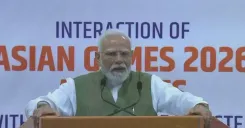
Prime Minister Narendra Modi on 31 August shared a video of his interaction with students and Indologists at the Tashkent State University of Oriental Studies in Uzbekistan, describing the encounter as a vivid demonstration of the deep and growing interest in Indian culture, languages, and literature among Uzbek youth.
The Visit to the Mahatma Gandhi Centre
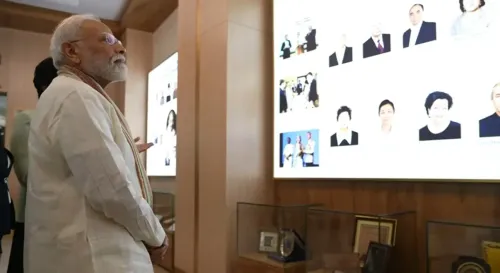
On Sunday, Modi visited the Mahatma Gandhi Centre at the Tashkent State University of Oriental Studies, where he met students and Indologists associated with the centre and signed the visitors' book. He spoke at length about the longstanding cultural and educational bonds between India and Uzbekistan, underscoring the role of academic institutions in reinforcing people-to-people ties between the two nations.
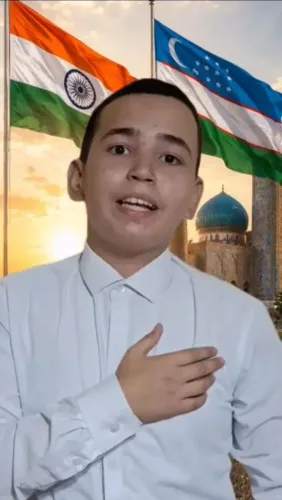
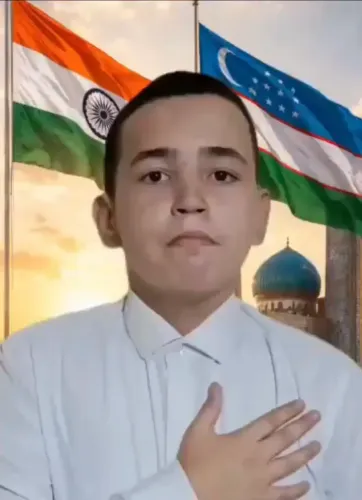
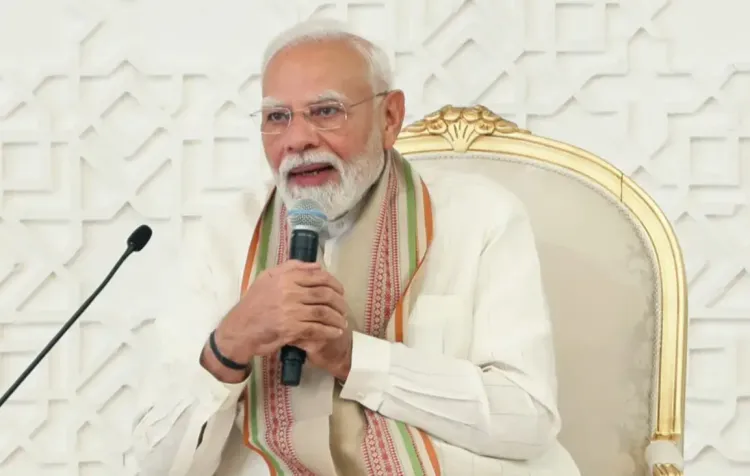
A particularly moving moment came when students recited verses and poems originally written by the Prime Minister. Modi praised them for their dedication and for capturing the precise emotional register of the lines he had composed — a feat he described as possible only when one truly immerses oneself in a language.
What Modi Said on X
Sharing a video on X, Modi described the visit as 'interesting for quite a few reasons.' He wrote: 'Got to see a vibrant Indology ecosystem. Saw great passion towards studying about India. Immense work on Gandhi Ji's life. Growing interest in Tamil culture. Students also recited a few lines from poems written by me.'
In the video, Modi reflected on the emotional weight of the moment: 'Today, I had the opportunity to hear the poems, written by me a long time ago, recited by these young people. Although Hindi is not their native language, the emotions they expressed during the recitation were exactly the same as they were in my heart when I was writing those poems.' He added, 'This happens only when one lives that particular language and immerses themselves completely in it.'
Indologist Highlights Uzbekistan's Affection for India
An Indologist present at the interaction spoke warmly of the bond between the two countries. 'Maybe you will not find many nations in the world where people love India as much as they do in Uzbekistan. Everyone here knows Namaste,' she said. She further noted the considerable interest among Uzbek people in Indian art and culture, and said she often advises those seeking to understand India to read the Ramayan and Mahabharat.
Tirukkural Translation Proposed
Modi drew attention to the significance of Tamil literature during the session, specifically highlighting the ancient text Tirukkural. He suggested translating it into the Uzbek language as a further avenue for deepening cultural understanding. The speaker on the podium responded positively: 'Yes, we will make every effort.' Modi noted that such a translation would help Uzbek readers appreciate India's philosophical traditions and the intellectual heritage of one of the world's oldest languages.
Broader Bilateral Agenda
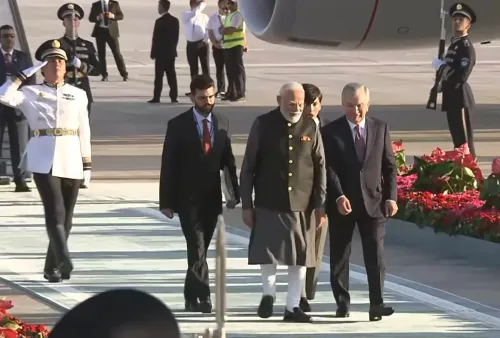
The university visit was part of Modi's two-day state visit to Uzbekistan, during which he held wide-ranging talks with President Shavkat Mirziyoyev at the Kuksaroy Presidential Palace. Discussions covered trade and investment, critical minerals, defence and security, innovation and start-ups, digital public infrastructure and UPI, healthcare and pharmaceuticals, agriculture, education, tourism, space, and people-to-people ties. The cultural diplomacy dimension — anchored by the Mahatma Gandhi Centre visit — complemented the strategic and economic threads of the bilateral agenda.
Point of View
Anchored by institutions like the Mahatma Gandhi Centre, is a low-cost, high-return diplomatic instrument that rarely gets the analytical scrutiny it warrants. Modi's suggestion to translate the Tirukkural into Uzbek is not merely a cultural gesture; it signals an intent to deepen India's soft-power presence in a region where China and Russia compete for influence. Whether these people-to-people investments translate into durable strategic alignment — on trade corridors, critical minerals, or multilateral forums — is the harder question that the warmth of the Tashkent visit leaves unanswered.
NationPress
15 Oct 2026
Frequently Asked Questions
What did PM Modi do at Tashkent State University of Oriental Studies?
PM Modi visited the Mahatma Gandhi Centre at the Tashkent State University of Oriental Studies, where he interacted with students and Indologists, signed the visitors' book, and was moved by students reciting poems he had written. He also suggested translating the ancient Tamil text Tirukkural into Uzbek.
Why was PM Modi's visit to the Mahatma Gandhi Centre significant?
The visit highlighted the growing interest in Indian culture, languages, and literature among Uzbek students, reinforcing people-to-people ties between India and Uzbekistan. It was a key cultural diplomacy moment during Modi's two-day state visit to Uzbekistan.
What did PM Modi say about Uzbek students reciting his poems?
Modi said it was an emotional moment, noting that although Hindi is not the students' native language, they conveyed the emotions behind his poems with remarkable accuracy. He said on X: 'This happens only when one lives that particular language and immerses themselves completely in it.'
What is the Tirukkural and why did Modi mention it?
The Tirukkural is an ancient Tamil text regarded as one of the greatest works of classical Tamil literature, covering ethics, politics, and love. Modi suggested translating it into Uzbek to help people in Uzbekistan appreciate India's philosophical traditions and the intellectual heritage of Tamil, one of the world's oldest languages.
What were the key topics discussed during PM Modi's state visit to Uzbekistan?
During his two-day state visit, Modi held talks with President Shavkat Mirziyoyev at the Kuksaroy Presidential Palace covering trade and investment, critical minerals, defence and security, digital public infrastructure and UPI, healthcare, agriculture, education, tourism, space, and people-to-people ties.