PM Modi in Tashkent: Visit to deepen India-Uzbekistan strategic ties

Synopsis
Modi's Tashkent visit is more than a diplomatic courtesy call — it is a signal of India's deepening Central Asian pivot. With talks spanning trade, defence, digital connectivity, and energy, and a stop at Uzbekistan's top Indology university, the trip maps out a relationship that has grown steadily over 12 years and is now being formalised into aligned national visions.
Key Takeaways
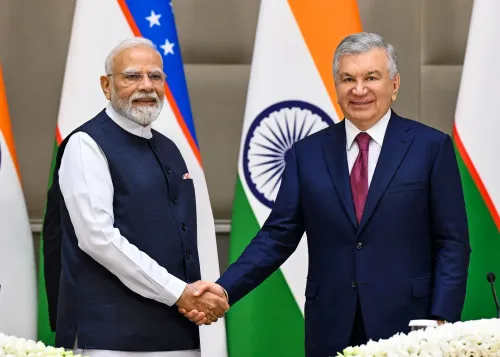
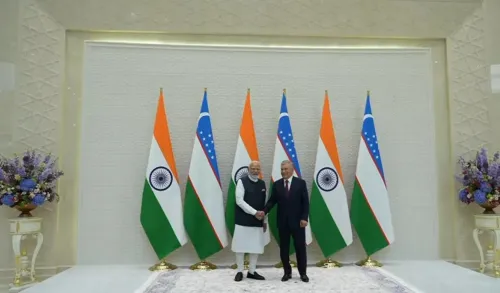
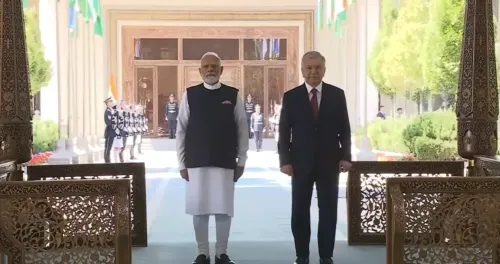
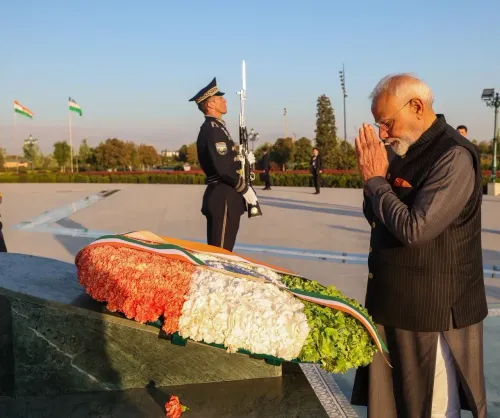
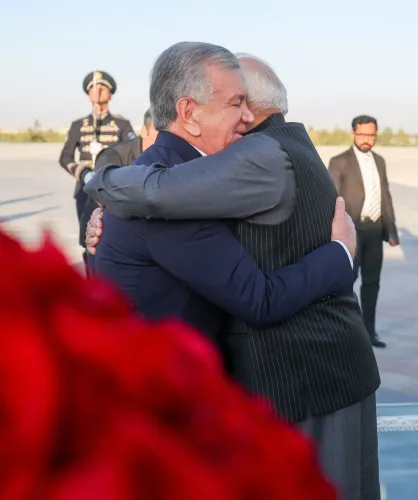
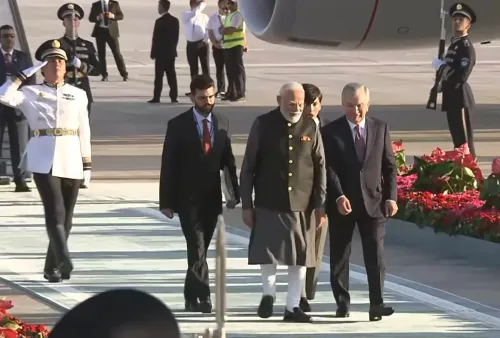
PM Narendra Modi arrived in Tashkent on 29 August for a two-day bilateral visit at the invitation of President Shavkat Mirziyoyev .
The visit is the first leg of a two-nation Central Asian tour that also covers Kyrgyzstan .
Talks are expected to cover trade and investment, digital connectivity, defence, and energy .
Modi is scheduled to visit the University of Oriental Studies , Tashkent — described as Central Asia's leading Indology institution.
Senior Uzbek officials and citizens cited 12 years of strengthening bilateral ties since Modi took office.
Both countries' long-term frameworks — Viksit Bharat and Yangi Uzbekistan — are to be aligned as part of the bilateral agenda.
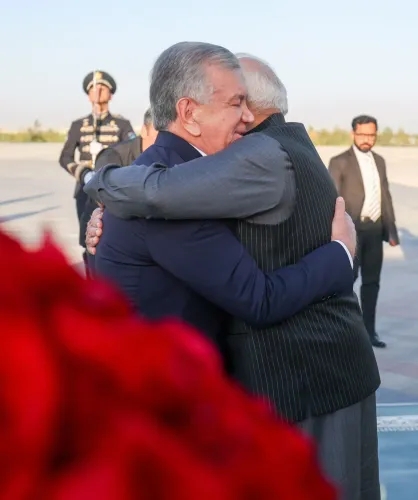
Prime Minister Narendra Modi arrived in Tashkent on Saturday, 29 August for a two-day bilateral visit to Uzbekistan, with locals and officials expressing hope that the trip will inject fresh momentum into the two countries' growing strategic partnership. The visit comes at the invitation of Uzbekistan President Shavkat Mirziyoyev and forms the first leg of Modi's two-nation Central Asian tour, which also includes Kyrgyzstan.
Warm Welcome in Tashkent
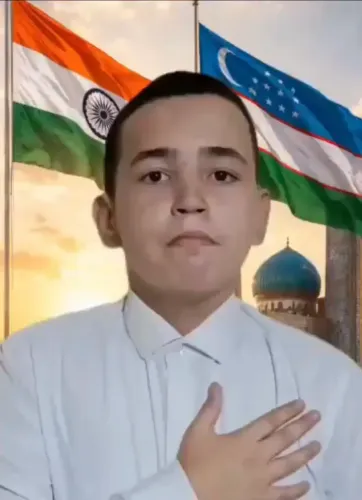
Uzbek citizens voiced enthusiasm ahead of Modi's arrival. 'Welcome Hon'ble Prime Minister of India, Narendra Modi. We Uzbek people are very happy to hear the news of your arrival. We wish that the friendly ties between the two countries keep on growing… Jai Hind, Jai Bharat, Jai Uzbekistan,' said one Uzbek woman, reflecting the public mood on the ground in Tashkent.
The reception underscores a broader warmth in people-to-people ties that has grown steadily over the past decade, driven in part by India's cultural and academic footprint in Central Asia.
University Visit and Indology Spotlight
Bayot Rakhmatov, a senior Hindi teacher and Indologist at the University of Oriental Studies in Tashkent, described Modi's scheduled visit to the institution as particularly significant. 'Our University of Oriental Studies, we can say, is very advanced in the field of Indology in Central Asia; we can say it holds the first position. The researchers and teachers at our university have published many books related to India, and in the last 10 years there has been a lot of focus on the philosophy of Mahatma Gandhi… Narendra Modi ji coming to our university is a notable thing, and the people he is going to meet will be more motivated to work in this university,' Rakhmatov said.
The university is regarded as a leading centre for South Asian studies in the region, and Modi's presence is expected to energise ongoing academic and cultural exchange programmes between the two nations.
12 Years of Strengthening Bilateral Bonds
Senior journalist and Indologist Akhmadjan Kasimov pointed to a clear upward trajectory in India-Uzbekistan relations since Modi assumed office. 'Over the past 12 years, since Prime Minister Narendra Modi became Prime Minister, the friendship between our two countries has become stronger, and year by year, the friendship between our two countries has been growing. In this direction, I think Prime Minister Modi's visit to Uzbekistan will play a very important role in further strengthening cooperation between our two countries,' Kasimov said.
This is the latest in a series of high-level engagements between New Delhi and Tashkent that have progressively elevated the relationship from a basic diplomatic footing to a full strategic partnership.
What Modi Said Before Departure
In his departure statement from New Delhi, Modi outlined the agenda for the Tashkent leg of his tour. 'In recent years, India-Uzbekistan Strategic Partnership has seen significant advancement. I look forward to my discussions with President Mirziyoyev on further deepening our cooperation in trade and investment, digital connectivity, defence, energy, and on advancing our shared visions of Viksit Bharat and Yangi Uzbekistan,' he said.
The reference to both nations' long-term development frameworks — India's Viksit Bharat and Uzbekistan's Yangi Uzbekistan — signals an intent to align bilateral priorities beyond routine diplomacy.
What to Watch Next
Formal bilateral talks with President Mirziyoyev are expected to produce agreements across trade, digital infrastructure, and defence cooperation. Following Tashkent, Modi will travel to Kyrgyzstan, completing a Central Asian outreach that analysts say reflects India's sustained push to deepen its strategic presence in a region where China and Russia have historically dominated.
Point of View
Rising trade, cultural linkages — but the real test is whether this visit produces binding commitments on connectivity and defence rather than aspirational joint statements. The alignment of Viksit Bharat with Yangi Uzbekistan is a smart framing device, but framework convergence without project-level delivery has been a recurring gap in India's Central Asia outreach. The university visit is symbolically powerful; what the trade and investment numbers look like in two years will be the harder measure.
NationPress
13 Oct 2026
Frequently Asked Questions
Why is PM Modi visiting Uzbekistan?
PM Modi is on a two-day bilateral visit to Uzbekistan at the invitation of President Shavkat Mirziyoyev, with an agenda covering trade, investment, digital connectivity, defence, and energy cooperation. The visit also includes a stop at the University of Oriental Studies in Tashkent.
When did PM Modi arrive in Tashkent?
PM Modi arrived in Tashkent on Saturday, 29 August, as part of a two-nation Central Asian tour that also includes Kyrgyzstan.
What is the University of Oriental Studies and why is Modi visiting it?
The University of Oriental Studies in Tashkent is considered Central Asia's leading institution for Indology and South Asian studies. Modi's visit is expected to boost academic and cultural ties and motivate researchers focused on India-related scholarship.
How have India-Uzbekistan relations evolved in recent years?
According to senior Uzbek officials and analysts, bilateral ties have strengthened significantly over the past 12 years, progressing from basic diplomatic engagement to a full strategic partnership spanning trade, defence, and cultural exchange.
What is the significance of 'Viksit Bharat' and 'Yangi Uzbekistan' in this context?
Viksit Bharat is India's long-term development vision, while Yangi Uzbekistan is Uzbekistan's national modernisation framework. Modi's departure statement indicated both sides intend to align these visions, signalling a strategic convergence beyond routine bilateral cooperation.