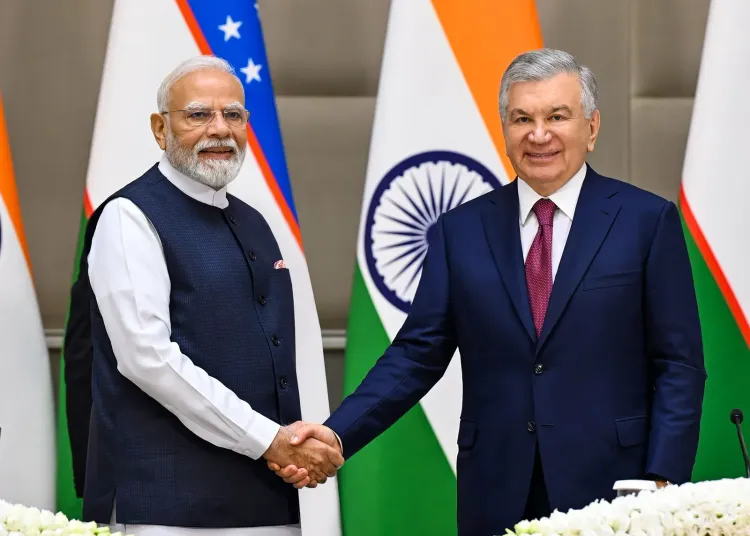
Modi, Mirziyoyev agree to boost critical minerals cooperation in Tashkent
Synopsis
PM Modi's Tashkent visit yielded more than diplomatic optics — India and Uzbekistan have agreed to jointly develop critical and strategic minerals, explore nuclear energy cooperation, and establish a Foreign Ministers-led oversight mechanism. For India, this is a calculated move to diversify mineral supply chains into Central Asia ahead of its EV and semiconductor buildout.
Key Takeaways
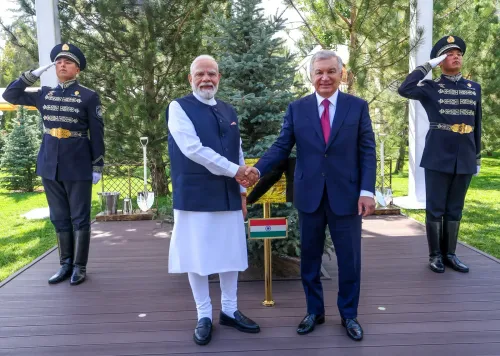
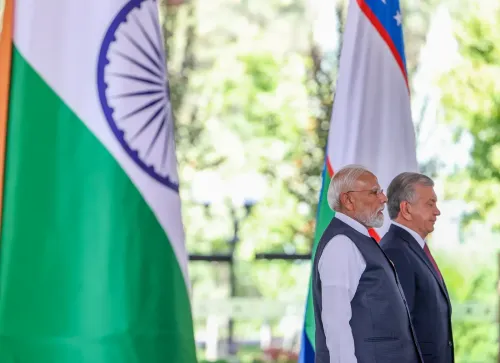
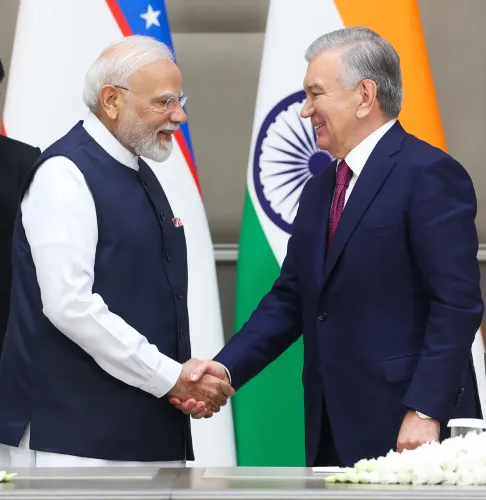
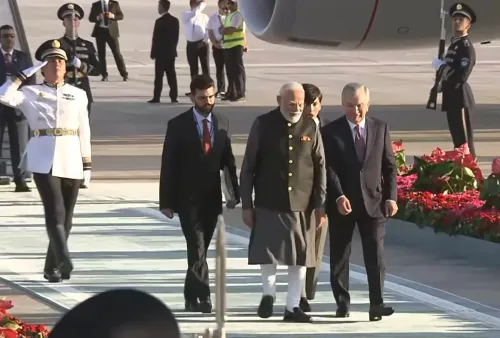
PM Modi and Uzbekistan President Shavkat Mirziyoyev met in Tashkent on 30 August during a state visit.
Both sides agreed to joint projects in geological exploration, mining, mineral processing , and integrated value chains for critical minerals.
Cooperation extended to renewable energy, nuclear energy (peaceful uses), and modernisation of energy infrastructure.
A Foreign Ministers-led coordination mechanism was established to oversee bilateral agreements and priority projects.
Both leaders unequivocally condemned terrorism , including cross-border terrorism, and reaffirmed the Joint Working Group on Counter Terrorism .
Leaders committed to deepening ties under the Central Asia – India format at the Heads of State level.
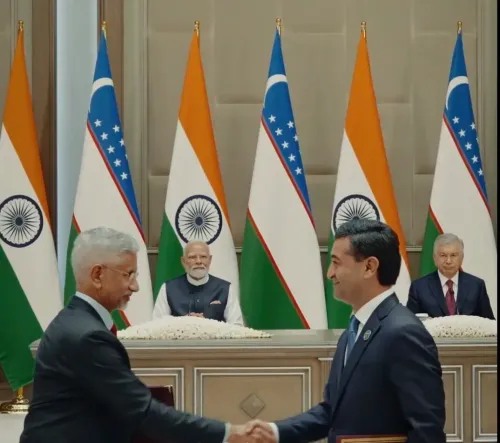
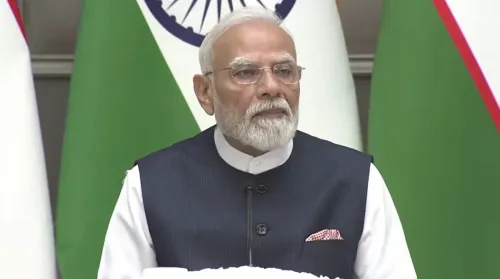
Prime Minister Narendra Modi and Uzbekistan President Shavkat Mirziyoyev on Sunday, 30 August agreed to deepen bilateral cooperation in critical and strategic minerals, committing to joint projects spanning geological exploration, mining, mineral processing, and the development of integrated value chains. The agreement, formalised during PM Modi's state visit to Tashkent, signals a significant expansion of India's resource diplomacy into Central Asia.
Key Agreements on Minerals and Energy
According to the India-Uzbekistan Joint Statement, both leaders agreed to explore cooperation in geology, mining, nuclear energy, and industrial collaboration, with a focus on processing mineral resources into value-added products and launching recycling initiatives. The two sides also expressed interest in encouraging Indian companies to participate in the development of prospective mineral deposits in Uzbekistan, while Uzbek enterprises were invited for joint collaboration within India.
The leaders further welcomed discussions on advancing cooperation in renewable energy, modernisation of energy infrastructure, and prospective investment projects. Notably, both sides expressed interest in extended cooperation in the peaceful uses of nuclear energy — a dimension that elevates the partnership beyond conventional trade.
New Diplomatic Mechanism Established
To ensure high-level oversight of the agreements reached, PM Modi and President Mirziyoyev agreed to establish a Foreign Ministers-led coordination mechanism. This body will provide strategic direction for the implementation of bilateral arrangements and facilitate the timely realisation of priority projects — a structural upgrade that reflects the growing complexity of India-Uzbekistan ties.
The two leaders also recognised the growing role of parliamentary diplomacy, welcoming increased contacts between the parliaments of both nations, including cooperation between parliamentary friendship groups and engagement within international inter-parliamentary organisations.
Counter-Terrorism and Security Cooperation
In a strongly worded section of the joint statement, both leaders unequivocally condemned terrorism, including cross-border terrorism, in all its forms and manifestations. They reiterated a zero-tolerance approach and rejected any justification for terrorism on any ground.
'Leaders called for concerted actions against terrorist entities and for disrupting terrorism financing networks, safe havens and infrastructure. Leaders stressed that those responsible for terrorism should be held accountable and their perpetrators, their backers, facilitators and affiliates should be brought to justice,' the joint statement said.
The two sides also stressed the importance of cooperation in law enforcement, intelligence-sharing, combating violent extremism, illicit drug trafficking, organised crime, and cyber threats. They reaffirmed continued cooperation under the Joint Working Group on Counter Terrorism.
Regional Cooperation and Defence Ties
Both leaders appreciated the growing cooperation between the defence and security agencies of India and Uzbekistan, including through institutional mechanisms, regular exchanges, capacity-building, and joint activities. They committed to further strengthening such cooperation in addressing shared security challenges.
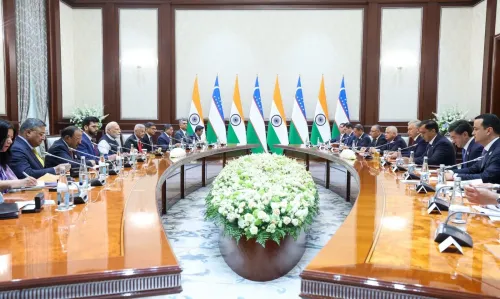
On regional engagement, both leaders reaffirmed their commitment to the Central Asia – India format at the level of Heads of State, emphasising the importance of regular consultations on regional issues. Earlier in the day, the two leaders held delegation-level talks at the Presidential Palace in Tashkent, covering trade, investment, and industrial cooperation. The Uzbekistan President's Press Service noted the talks were held at the Kuksaroy Residence and that both sides agreed to take Uzbekistan-India relations to a new level.
As India accelerates its push to secure supply chains for critical minerals — essential for electric vehicles, semiconductors, and clean energy — the Tashkent agreements position Uzbekistan as a key partner in India's resource security architecture.
Point of View
Gold, and rare earths, and this agreement, if operationalised, could meaningfully diversify India's mineral supply chains away from China-linked sources. The establishment of a Foreign Ministers-led mechanism is a notable institutional upgrade, but India's past bilateral frameworks in this region have struggled with implementation. The real test will be whether Indian companies actually deploy capital in Uzbek deposits — or whether this remains a statement of intent dressed in diplomatic language.
NationPress
14 Oct 2026
Frequently Asked Questions
What did PM Modi and Uzbekistan President Mirziyoyev agree on in Tashkent?
On 30 August, PM Modi and President Mirziyoyev agreed to expand cooperation in critical and strategic minerals through joint projects in geological exploration, mining, mineral processing, and integrated value chains. They also agreed on cooperation in renewable energy, nuclear energy, and the establishment of a Foreign Ministers-led coordination mechanism.
Why does India's critical minerals agreement with Uzbekistan matter?
Critical minerals such as uranium, rare earths, and lithium are essential for India's electric vehicle, semiconductor, and clean energy sectors. Uzbekistan holds significant deposits, and this agreement positions it as a key partner in India's effort to diversify supply chains and reduce dependence on single-source suppliers.
What is the Foreign Ministers-led mechanism agreed upon by India and Uzbekistan?
It is a new high-level coordination body agreed upon during the Tashkent summit to oversee the implementation of bilateral agreements and facilitate the timely realisation of priority projects. It represents a structural upgrade in the diplomatic architecture between the two countries.
What did the India-Uzbekistan joint statement say on terrorism?
Both leaders unequivocally condemned terrorism in all its forms, including cross-border terrorism, and reiterated a zero-tolerance approach. They called for concerted action against terrorist entities, disruption of financing networks, and accountability for perpetrators and their backers.
What sectors were discussed during Modi's state visit to Tashkent?
Discussions covered critical and strategic minerals, renewable energy, nuclear energy, trade, investment, industrial cooperation, defence and security, counter-terrorism, and parliamentary diplomacy. Delegation-level talks were held at the Presidential Palace and the Kuksaroy Residence in Tashkent.